
Table of Contents
ToggleOrganic Fertilizers for Home Garden Plants
Healthy plants need proper nutrition, and this is where fertilizers play an important role. Many home gardeners prefer organic options because they are gentle on plants and improve soil quality over time. If you are growing plants at home, using organic fertilizers is one of the simplest ways to support steady and natural growth.
Organic fertilizers for home garden plants are especially helpful for beginners. They are easy to use, commonly available, and work well in most home gardens. Whether you grow vegetables, flowers, or indoor plants, organic feeding helps maintain soil health and plant strength.
In this guide, we will discuss different types of organic fertilizers, how to use them, and how they fit into everyday home gardening.
What Are Organic Fertilizers?
Organic fertilizers come from natural sources like plant matter, animal waste, or composted materials. Unlike chemical products, they release nutrients slowly and improve soil structure over time.
In most home gardens, organic fertilizer for plants at home is preferred because it supports beneficial soil microbes and reduces the risk of overfeeding plants.
Why Choose Organic Fertilizers for Home Gardening?
Using organic options has several practical benefits.
Generally, organic fertilizers:
Improve soil fertility naturally
Support long-term plant health
Are safer for regular use
Work well for beginners
This is why natural fertilizers for home garden setups are commonly recommended for daily gardening needs.
Best Organic Fertilizers for Home Garden Plants
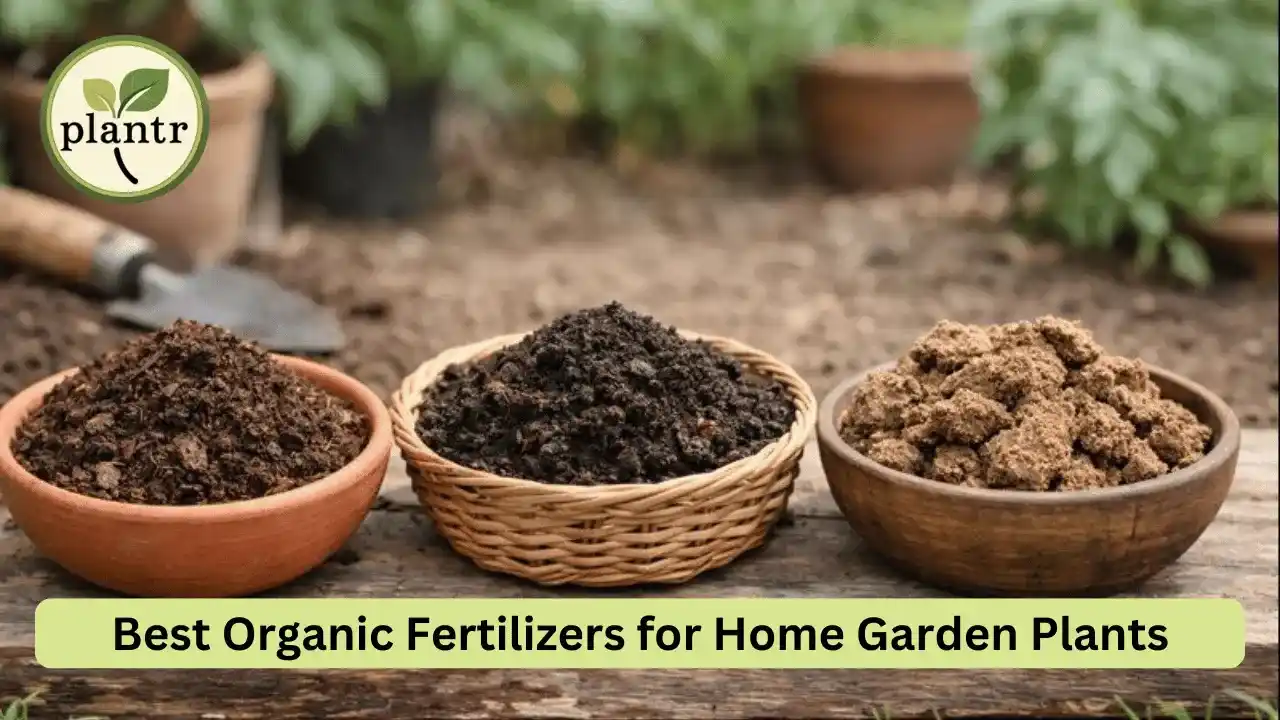
There are many organic options available, and each serves a different purpose.
Compost
Compost is one of the best organic fertilizer for garden plants.
Benefits:
Improves soil texture
Adds essential nutrients
Suitable for vegetables and flowers
Vermicompost
Made using earthworms, vermicompost is rich in nutrients and widely used as organic manure for home gardening.
It works well for:
Potted plants
Balcony plants
Vegetable gardens
Cow Dung Manure
Well-rotted cow dung is a traditional and effective organic fertilizer for home garden plants.
Use it only after proper decomposition to avoid root damage.
Homemade Organic Fertilizer for Plants
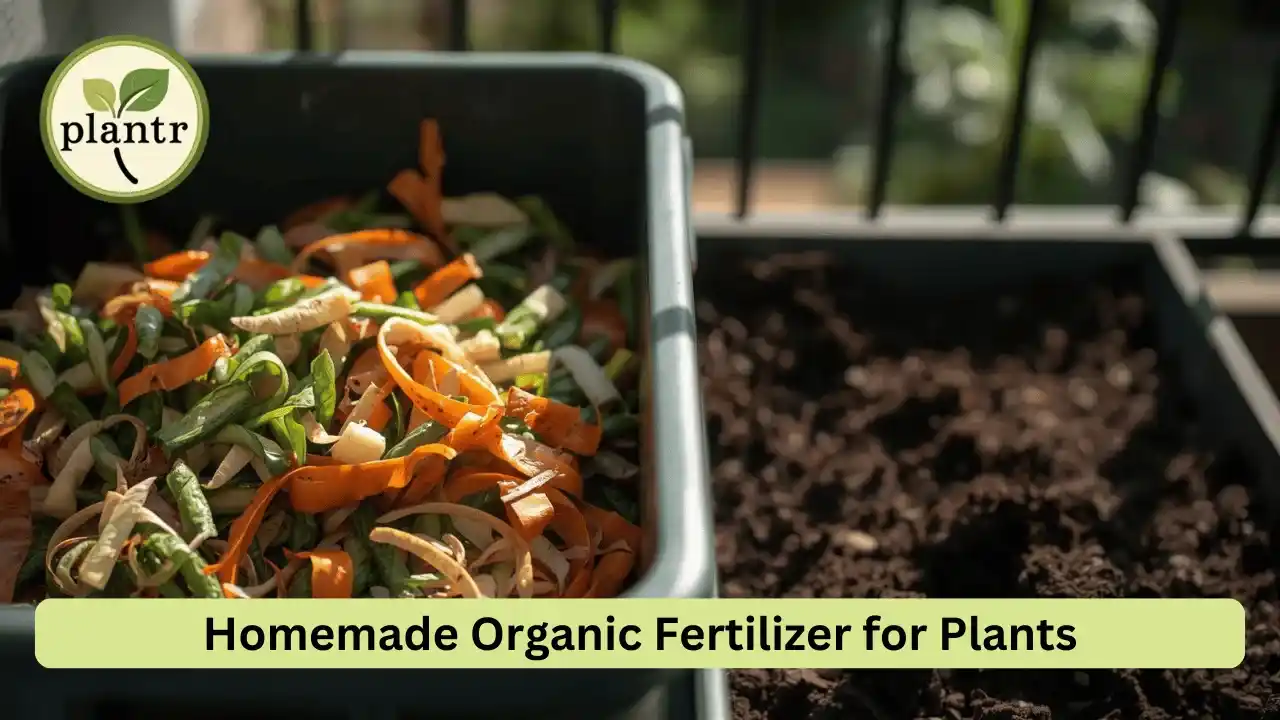
Many gardeners prefer making fertilizers at home using kitchen waste. A homemade organic fertilizer for plants is cost-effective and eco-friendly.
Common homemade options include:
Compost from vegetable peels
Used tea leaves
Fruit waste compost
These materials are commonly used as natural plant fertilizer for home use.
How to Make Organic Fertilizer at Home
Making organic fertilizer does not require special tools.
Basic steps:
Collect kitchen waste
Compost it properly
Allow it to decompose fully
Mix with soil before use
This simple method explains how to make organic fertilizer at home in a practical way.
Organic Fertilizer for Potted Plants and Containers
Potted plants have limited soil, so feeding them regularly is important. An organic fertilizer for potted plants provides steady nutrition without harming roots.
For container gardening, organic fertilizers:
Improve moisture retention
Reduce nutrient loss
Support balanced growth
This makes them ideal as organic fertilizer for container gardening.
Organic Fertilizer for Indoor and Balcony Plants
Indoor and balcony plants usually need lighter feeding. A mild organic fertilizer for indoor plants works well without causing buildup in soil.
Similarly, organic fertilizer for balcony plants should be easy to apply and well-draining.
Common choices:
Vermicompost
Liquid compost tea
Diluted organic manure
Organic Fertilizers for Vegetables and Flowers
Different plants have different needs.
For Vegetables
Organic fertilizers for vegetable plants at home support healthy leaf and fruit development.
Commonly used:
Compost
Vermicompost
Well-rotted manure
For Flowers
Organic fertilizers for flowering plants help improve blooming and plant strength.
Balanced organic feeding is usually enough in most home gardens.
How Often Should You Use Organic Fertilizers?
Organic fertilizers work slowly, so frequent application is not needed.
Generally:
Once every 20–30 days is enough
Avoid overuse
Observe plant response
Using the best organic fertilizer for home garden plants regularly gives steady results over time.
Common Beginner Mistakes to Avoid
Many beginners make small mistakes while using organic fertilizers.
Avoid:
Using fresh manure directly
Overfeeding plants
Mixing too many fertilizers together
Ignoring soil condition
Understanding proper use makes organic plant food for home garden more effective.
Practical Tips for Better Results
Always use well-decomposed materials
Mix fertilizer evenly into soil
Water plants after application
Store organic manure properly
These small steps help fertilizers work better in everyday gardening.
FAQs
Organic fertilizers work gradually because they rely on soil microbes to break down nutrients into a form plants can absorb. Visible improvements in plant growth usually appear within 2–4 weeks, depending on soil condition, temperature, and the type of fertilizer used.
Yes, you can combine organic fertilizers, but it’s important to avoid overfeeding. For example, compost can be used as a base soil conditioner, while liquid seaweed or vermicompost tea can be added occasionally for extra nutrients. Always apply in moderate quantities.
Organic fertilizers do not “expire” quickly, but their nutrient strength may reduce over time if stored improperly. Keep them in a cool, dry place away from moisture to maintain their effectiveness and prevent mold or nutrient breakdown.
Most organic fertilizers are safer than chemical fertilizers, but they should still be stored properly. Some materials like bone meal or blood meal may attract pets if left uncovered. It’s best to mix fertilizers well into the soil and keep them out of reach.
Nourishing Your Garden the Natural Way
Using organic fertilizers for home garden plants is a simple and effective way to support steady growth while gradually improving soil quality. Unlike quick chemical solutions, organic feeding works slowly and consistently, making it suitable for both beginners and experienced gardeners.
By choosing natural options, observing how your plants respond, and maintaining a balanced routine, you create a healthier growing environment over time. Strong soil leads to stronger plants, and the results become more noticeable with patience.
In my own garden, switching to compost and homemade organic feed not only improved plant growth but also made the soil softer and richer within a few months.