
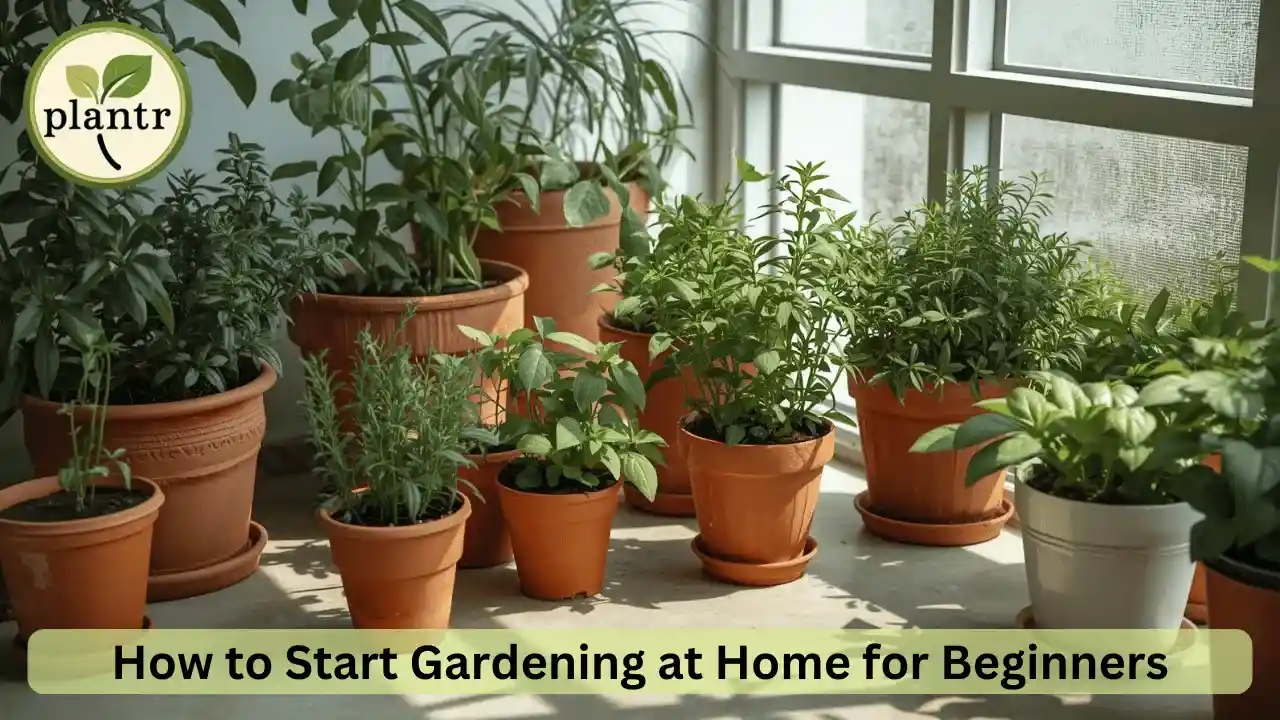
Starting a garden at home may feel confusing at first, especially if you have never grown plants before. Many beginners think gardening needs a big backyard, expensive tools, or expert knowledge. But in reality, how to start gardening at home is much simpler than it looks. Most home gardens begin with just a few pots, some soil, and a lot of curiosity.
When I started home gardening, I made many small mistakes—overwatering, choosing the wrong plants, and expecting quick results. Over time, I learned that gardening is less about perfection and more about understanding plants slowly. In most home gardens, plants don’t need constant attention, just regular care and patience.
This step-by-step guide is written especially for beginners, keeping Indian homes, climate, and small spaces in mind.
Why Start Gardening at Home?
Home gardening is not just about growing plants. It helps you connect with nature, even if you live in a flat or apartment. Many people start gardening to grow fresh herbs or vegetables, while others simply enjoy caring for plants.
Gardening at home for beginners is also a great way to learn responsibility and observe how nature works at a slow pace.
Step 1: Decide Where You Want to Garden
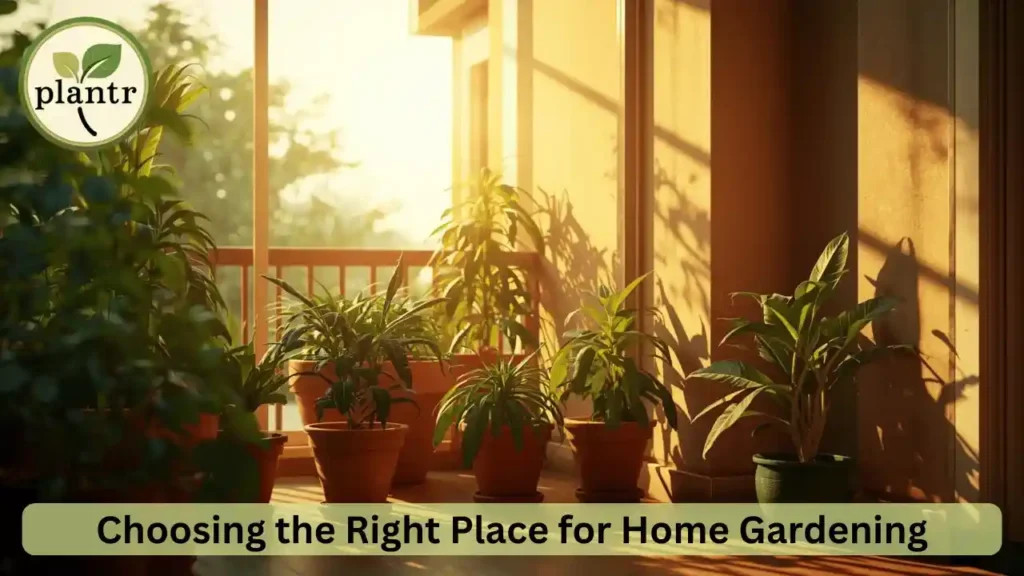
Before buying anything, first decide where you will keep your plants.
Common spaces include:
Balcony
Terrace
Window area
Near the main door
Well-lit indoor corners
If you don’t have outdoor space, don’t worry. Gardening at home without a garden is very common today and works well with pots and containers.
Step 2: Observe Sunlight Carefully
Sunlight plays an important role in plant growth. In most Indian homes, sunlight changes with seasons, so observe your space for a few days.
Ask yourself:
Does the area get morning sun or afternoon sun?
How many hours of light are available?
Generally:
Leafy plants need less sunlight
Flowering and vegetable plants need more
Understanding how much sunlight is needed for home plants helps you choose the right plants later.
Step 3: Choose the Right Containers or Pots
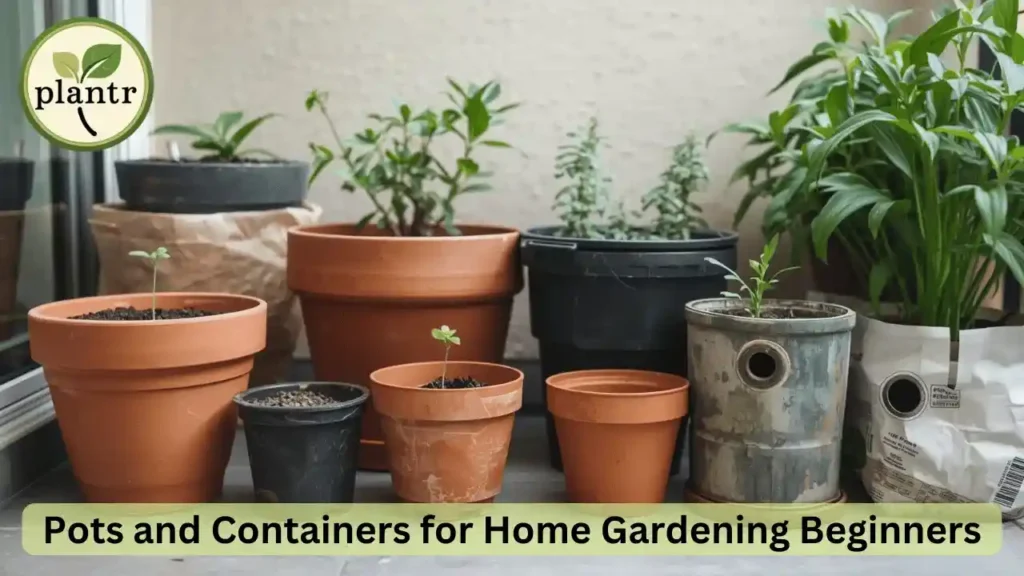
For beginners, pots are the easiest way to start. This is why how to start gardening in pots is a common first step.
You can use:
Clay pots
Plastic pots
Grow bags
Reused buckets or containers
Make sure every container has drainage holes. Without drainage, roots may rot, which is a common beginner problem.
Step 4: Prepare Soil for Home Gardening
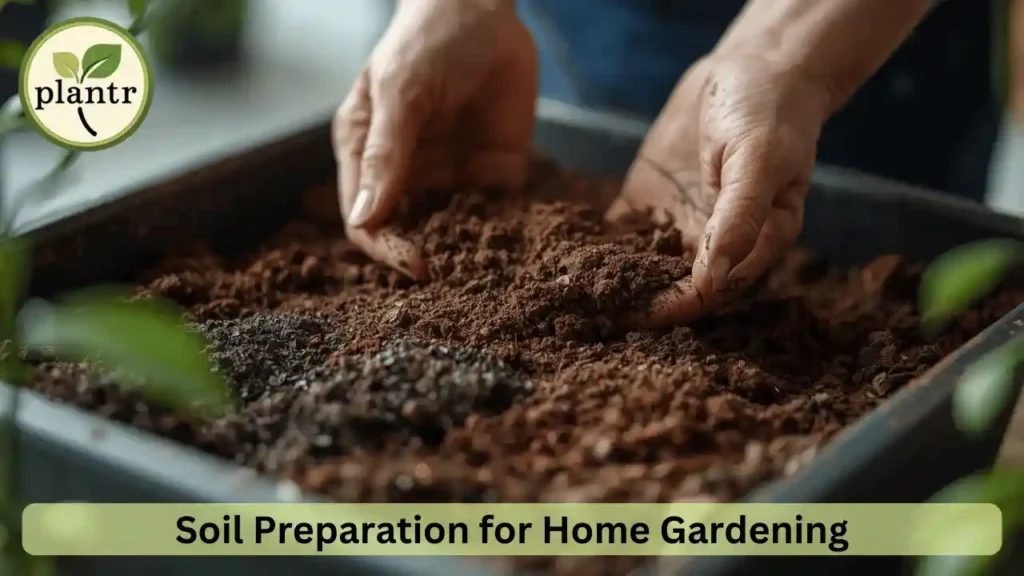
Soil is the foundation of healthy plants. Garden soil alone is usually too heavy for pots.
A basic soil mix commonly used in home gardening for beginners includes:
Garden soil
Compost or vermicompost
Cocopeat or sand
This mix helps with water retention while allowing roots to breathe properly.
Step 5: Select Beginner-Friendly Plants
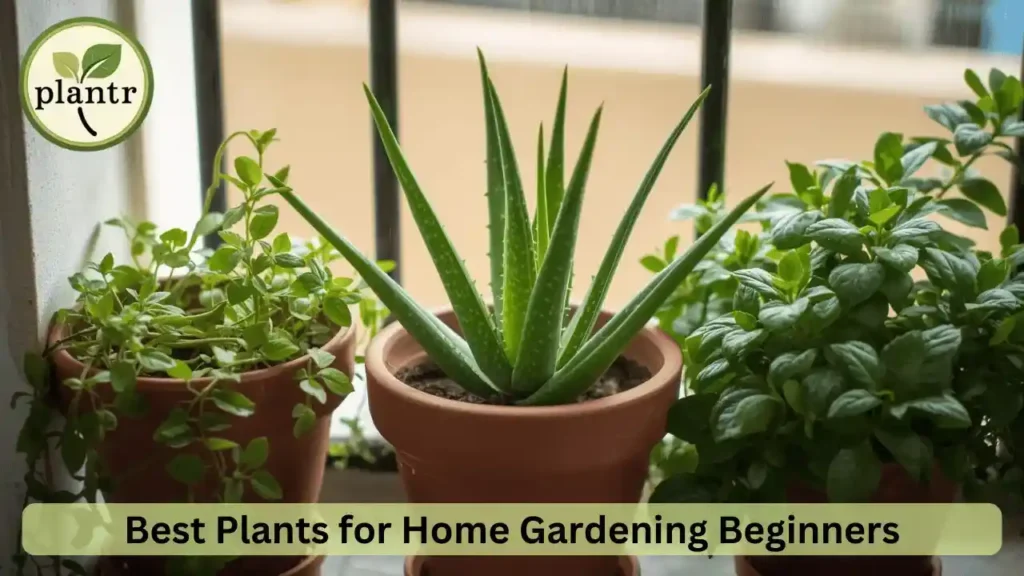
Choosing the right plants makes a big difference when learning how to grow plants at home for beginners.
Easy Plants for Beginners
Some plants are more forgiving and suitable for learning:
Money plant
Tulsi
Aloe vera
Snake plant
Mint
If you are interested in growing vegetables, tomato is also a good option for beginners. Knowing the best time to grow tomatoes in India helps in planning seed sowing and getting healthier plants at home.
Step 6: Water Plants the Right Way
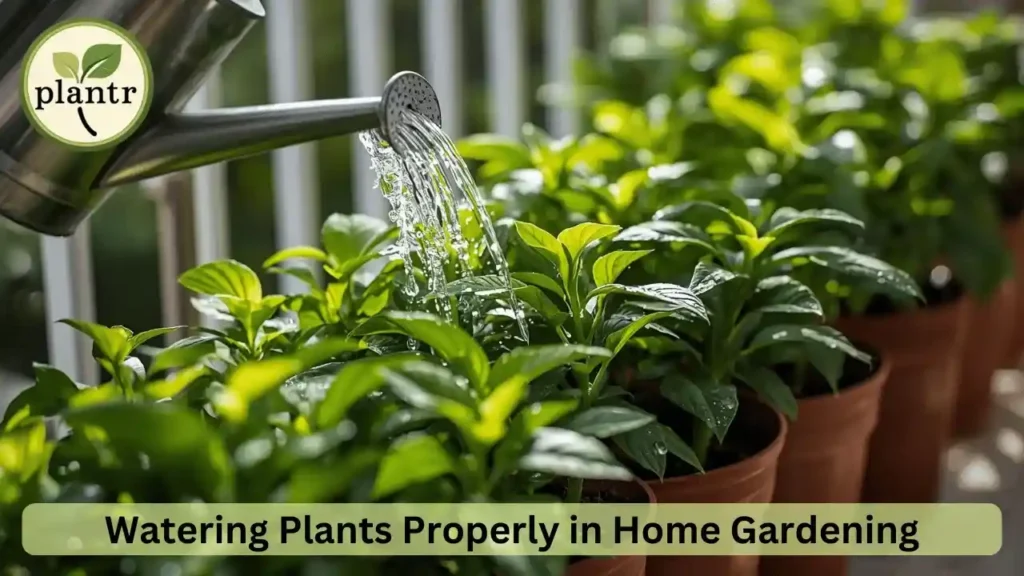
Overwatering is one of the most common mistakes beginners make. Many people think plants need daily watering, but that’s not always true.
General watering tips for home plants:
Check soil before watering
Water only when the topsoil feels dry
Water slowly until excess drains out
In most home gardens, less water is better than too much.
Step 7: Basic Care and Maintenance
Plants don’t need daily attention, but regular observation is important.
Simple care includes:
Removing dry or yellow leaves
Checking for insects
Cleaning dust from leaves
Rotating pots occasionally
These small steps form the basics of gardening basics at home.
Step 8: Start Small and Grow Slowly
Many beginners get excited and buy too many plants at once. This often leads to confusion and stress.
A better approach:
Start with 3–5 plants
Learn their needs
Add more plants gradually
This method works well for anyone following a home gardening step by step guide.
Common Gardening Mistakes Beginners Make
Learning from mistakes is part of gardening, but some errors can be avoided.
Common issues include:
Using too much fertilizer
Ignoring sunlight requirements
Not checking drainage
Expecting fast growth
If plants don’t grow as expected, it doesn’t mean gardening isn’t for you. It simply means adjustments are needed.
Gardening at Home in Indian Conditions
Home gardening in India comes with seasonal changes like summer heat, monsoon rains, and mild winters.
Keep in mind:
Summer plants may need shade
Monsoon requires good drainage
Winter growth is usually slower
Understanding local climate helps you care for plants better throughout the year.
Simple Gardening Tips for Beginners
Here are a few basic gardening tips for beginners that help in most home gardens:
Keep plants where you can see them daily
Don’t compare your plants with others
Learn from each plant’s behavior
Be patient with growth
Gardening teaches you slowly, but the learning stays for life.
When Gardening Feels Difficult
There will be times when plants fail or stop growing. This is normal. Even experienced gardeners face this. The key is not giving up.
Starting a home garden is a journey. Every small success builds confidence and knowledge.