
Table of Contents
ToggleBest Potting Mix for Balcony Gardening
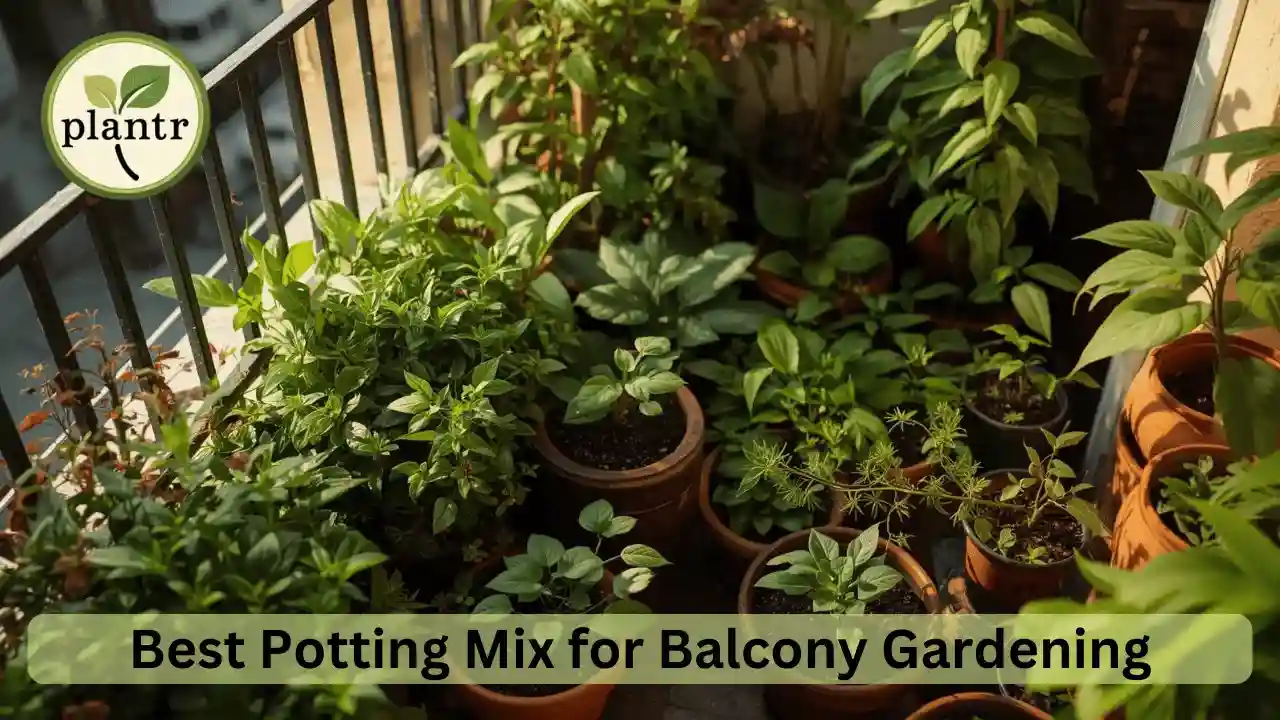
Balcony gardening is one of the easiest ways to stay connected with plants, especially when you live in a flat or apartment. A few pots, some sunlight, and regular care can turn even a small balcony into a green corner. But one thing that often decides whether plants grow well or struggle is the potting mix.
Many beginners think soil is just soil. In most home gardens, especially balcony gardens, that’s not really true. Plants in pots depend fully on the potting mix for water, air, and nutrients. If the mix is too heavy or poorly drained, plants usually show problems very quickly.
In this article, we’ll talk about the best potting mix for balcony gardening, based on what commonly works in Indian homes. This is a simple, practical guide to help beginners understand what goes into a good potting mix and how to use it wisely.
Why Potting Mix Matters More in Balcony Gardening
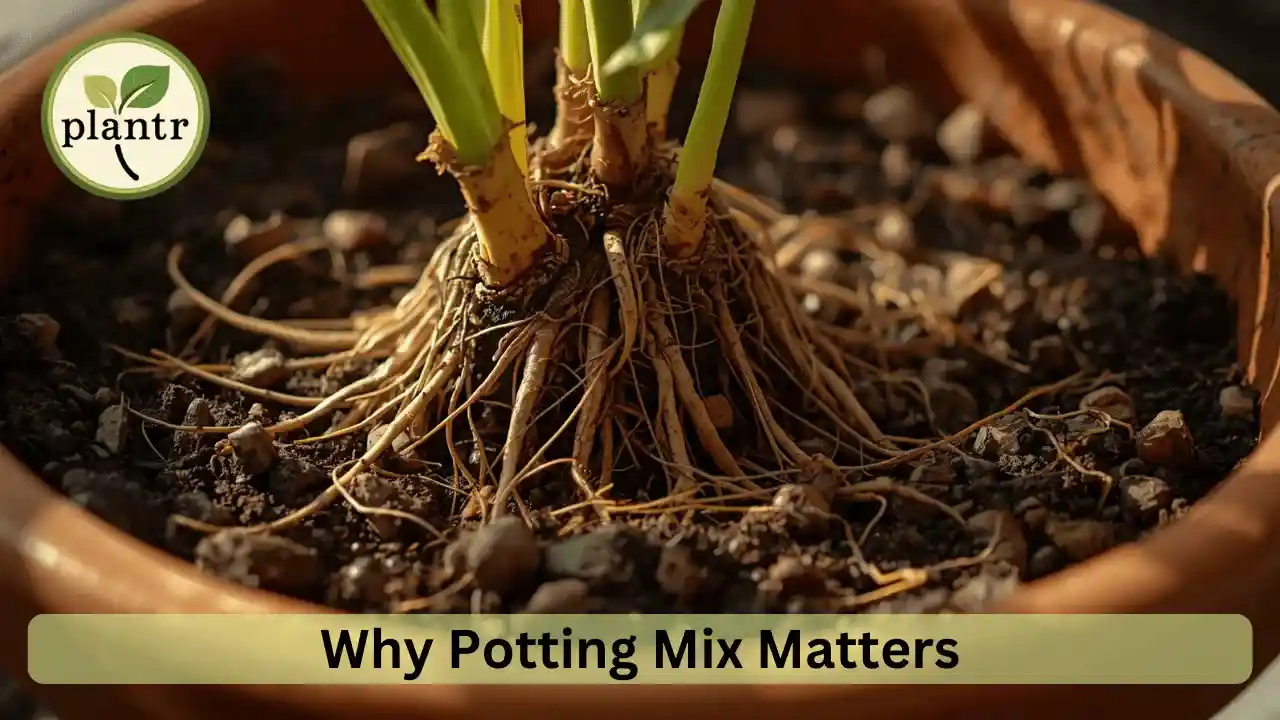
Plants grown on the ground have space to spread roots and find nutrients. Balcony plants don’t have that option. They grow in limited containers, so the potting mix plays a bigger role.
A good potting mix generally helps with:
Proper drainage so roots don’t rot
Holding enough moisture between watering
Allowing air circulation around roots
Supporting steady, healthy plant growth
In most balcony gardens, problems like yellow leaves, slow growth, or fungus can often be traced back to poor soil mix.
Potting Mix vs Garden Soil: What’s the Difference?
Many people use regular garden soil in pots. It may work sometimes, but it often causes issues in containers.
Garden soil:
Becomes hard and compact in pots
Drains poorly
Can hold excess water
Potting mix for balcony plants:
Is lighter and airy
Drains well
Holds moisture without becoming soggy
That’s why using a proper potting mix for container gardening is generally recommended.
What Makes the Best Potting Mix for Balcony Gardening?
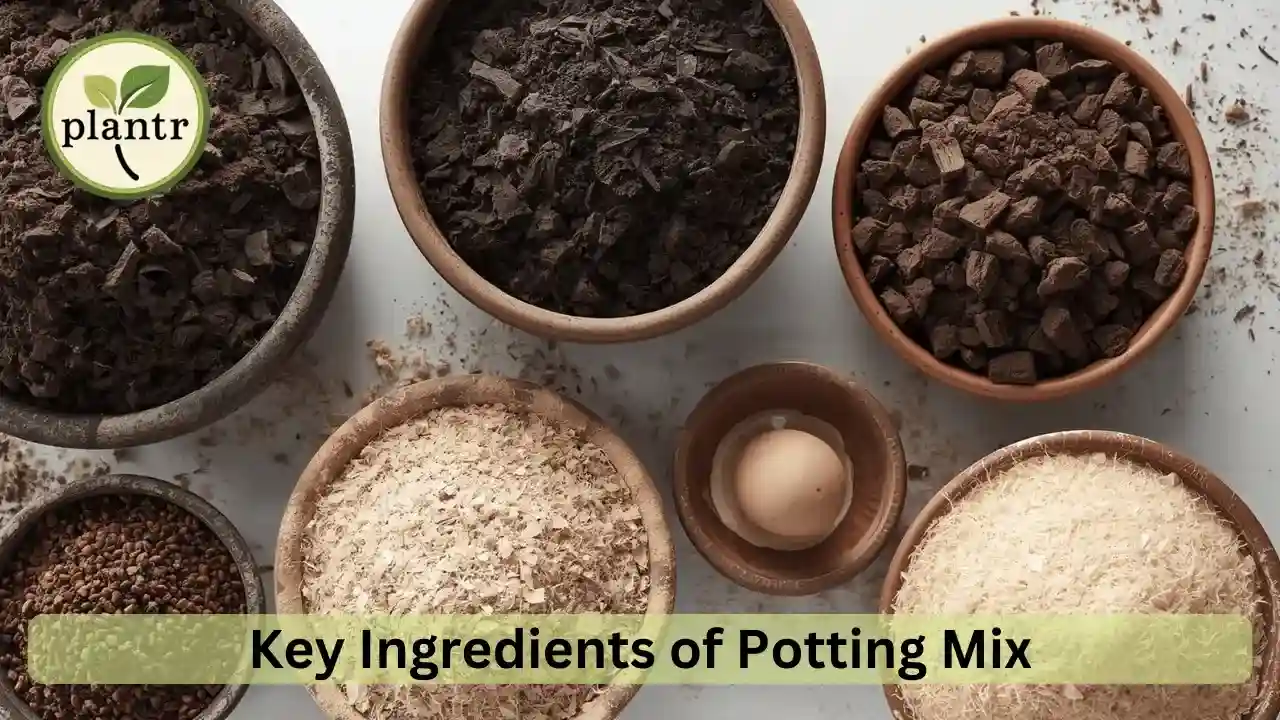
There is no single perfect mix for all plants, but most balcony plants do well with a balanced blend. In Indian conditions, a simple homemade potting mix often works better than plain soil.
Basic Components of a Good Potting Mix
1. Garden Soil or Red Soil (Base)
This forms the base of the mix.
Provides structure
Helps roots stay anchored
It should be clean and free from stones.
2. Compost or Vermicompost
This adds nutrients.
Commonly used compost improves soil fertility
Helps plants grow steadily
In most home gardens, vermicompost is preferred because it’s gentle and rich.
3. Cocopeat or Sand
This improves drainage and aeration.
Cocopeat helps retain moisture
Sand improves drainage
Either one can be used depending on plant type and climate.
Simple Potting Mix Ratio for Balcony Plants
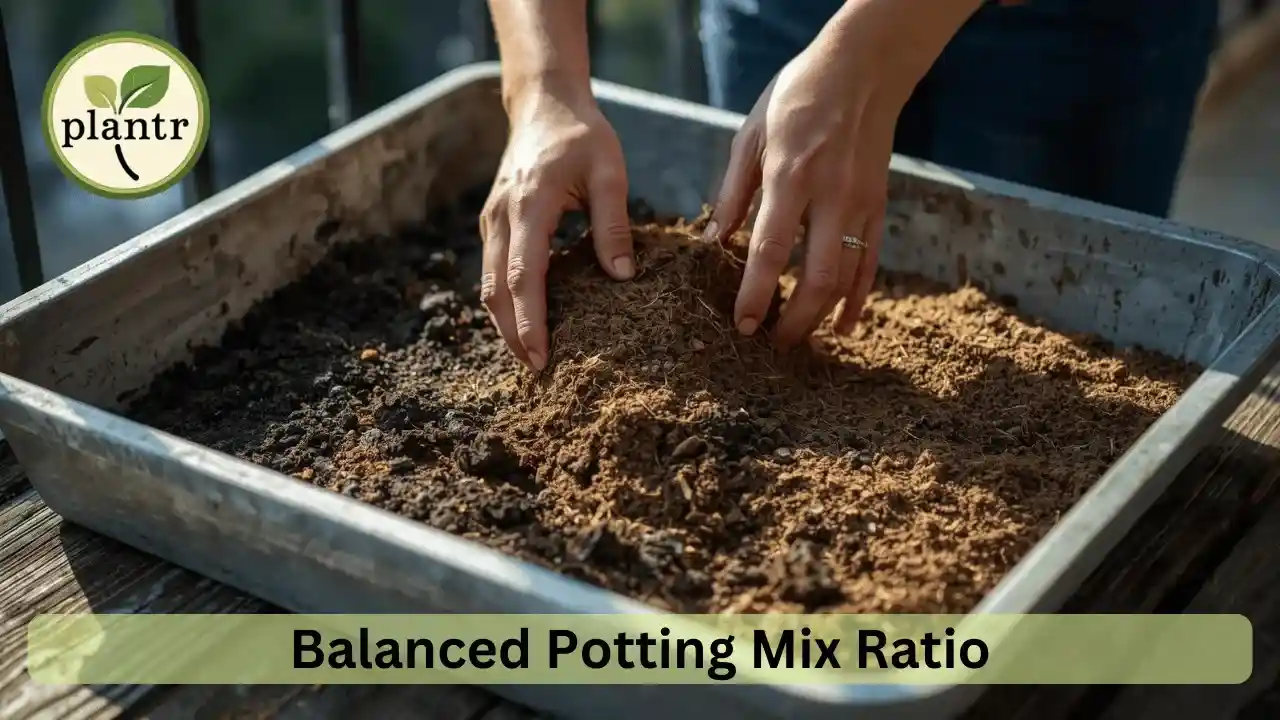
For most common balcony plants like herbs, flowering plants, and leafy greens, this mix usually works well:
40% garden soil
30% compost or vermicompost
30% cocopeat or coarse sand
This is a general-purpose potting mix. In most balcony gardens, it suits a wide range of plants.
Best Potting Mix for Different Balcony Plants
For Flowering Plants
Flowering plants need good drainage and moderate nutrients.
Slightly more compost helps
Avoid heavy soil
For Herbs and Leafy Vegetables
Herbs like mint, coriander, and spinach prefer:
Loose soil
Good moisture retention
Cocopeat works well here.
For Succulents and Cactus
These plants need fast drainage.
More sand
Less compost
Using regular potting mix without adjustment often causes root rot in these plants.
Ready-Made Potting Mix vs Homemade Mix
Ready-Made Potting Mix
Convenient for beginners
Clean and lightweight
Quality varies by brand
Homemade Potting Mix
More control over ingredients
Often more economical
Needs a little effort
In most Indian homes, a simple homemade potting mix works well once you understand your plants’ needs.
Common Beginner Mistakes with Potting Mix
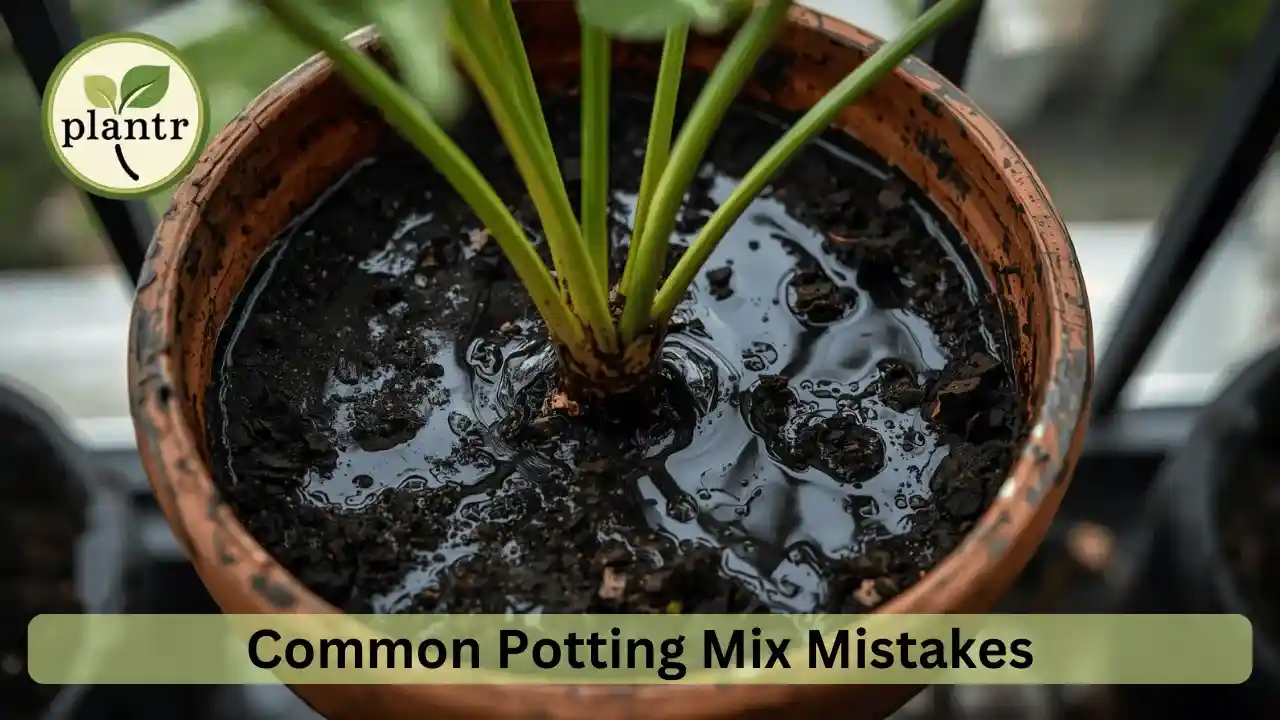
Many balcony gardeners make similar mistakes in the beginning.
Using only garden soil
Adding too much compost, making the mix heavy
Not checking drainage holes in pots
Reusing old soil without refreshing nutrients
These issues commonly lead to slow growth or unhealthy plants.
Practical Tips for Better Results
Always ensure pots have drainage holes
Loosen the potting mix gently every few weeks
Refresh the top layer with compost once a month
Avoid pressing knowing soil too tightly into pots
Small habits like these make a noticeable difference over time.
How Often Should You Change Potting Mix?
In most home gardens:
Seasonal plants: once a season
Perennial plants: refresh soil every 6–12 months
Old soil tends to lose nutrients and structure, so refreshing helps plants stay healthy.
Signs Your Potting Mix Needs Improvement
Plants often give signals:
Water stays on the surface for long
Roots come out from drainage holes
Leaves turn pale or growth slows
When you notice these signs, checking and improving the potting mix usually helps.
FAQs
Yes — DIY potting mix can be just as effective as store-bought blends. A balanced homemade mix generally includes 40% coco peat or peat moss, 30% compost or well-rotted manure, and 30% perlite or coarse sand for improved drainage. Adjust ratios based on the type of plant — more perlite for succulents, more compost for heavy feeders.
Potting mix gradually loses nutrients and structure over time, especially in containers. It’s a good practice to top-dress with fresh potting mix or compost every season and fully replace the mix every 1–2 years to prevent soil compaction and nutrient depletion.
Garden soil is usually too dense for container use and can lead to waterlogging and poor root growth. Potting mix is lighter, drains better, and contains components that help roots breathe. For balcony gardening, always use a dedicated potting mix or make a custom blend for best plant health.
It depends on the mix — some premium potting blends already contain slow-release nutrients. If your mix doesn’t include fertilizer, you can add a balanced slow-release fertilizer or organic options like compost or vermicompost at planting time. Monitor plant growth and supplement nutrients as needed during the growing season.
Creating the Right Base for Your Balcony Garden
Selecting the right potting mix for balcony gardening doesn’t have to feel overwhelming. In most cases, a simple and well-balanced mix with proper drainage and enough organic matter supports healthy growth for potted plants. Rather than following rigid formulas, it’s more helpful to observe how your plants respond and make gradual adjustments.
Balcony gardening is always a journey of learning and adaptation. Over time, you naturally understand which mix works best for your plants, your local climate, and your watering habits. Starting simple and refining slowly often brings better results than trying to perfect everything at once.
In my own balcony garden, slightly increasing compost in the potting mix improved plant growth and reduced watering problems during hot weather.