
Common Seed Germination Problems and How to Fix Them
Seeds Not Sprouting at All
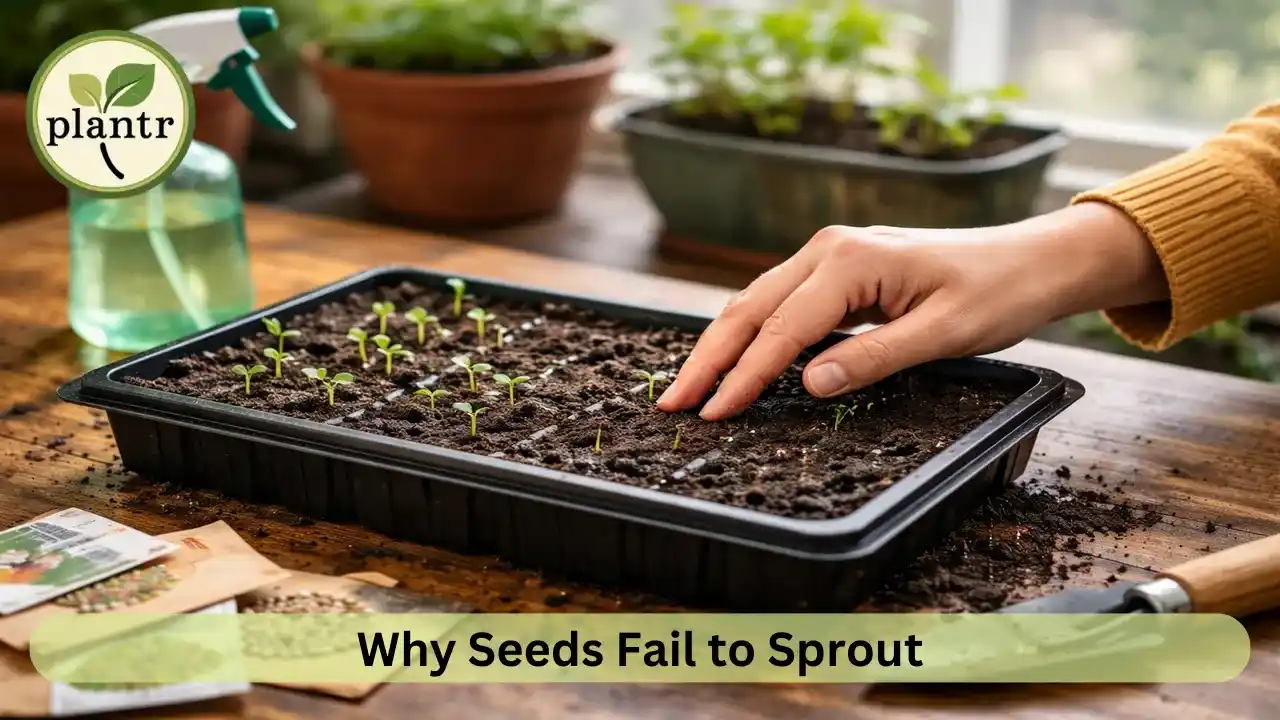
This is one of the most frustrating situations for beginners. You sow seeds, water them regularly, and still nothing grows.
Possible Reasons
Old or poor-quality seeds
Incorrect sowing depth
Too much or too little watering
Unsuitable temperature
How to Fix It
Always check seed expiry or freshness before sowing. Older seeds often have low germination rates.
Follow the general rule: sow seeds at a depth twice their size. Tiny seeds should usually stay on the soil surface.
Keep soil moist but not waterlogged. Overwatering can cause seeds to rot.
Try to sow seeds during their suitable growing season. Many vegetable seed germination issues happen because seeds are planted in the wrong season.
Seeds Sprouting But Seedlings Dying Early
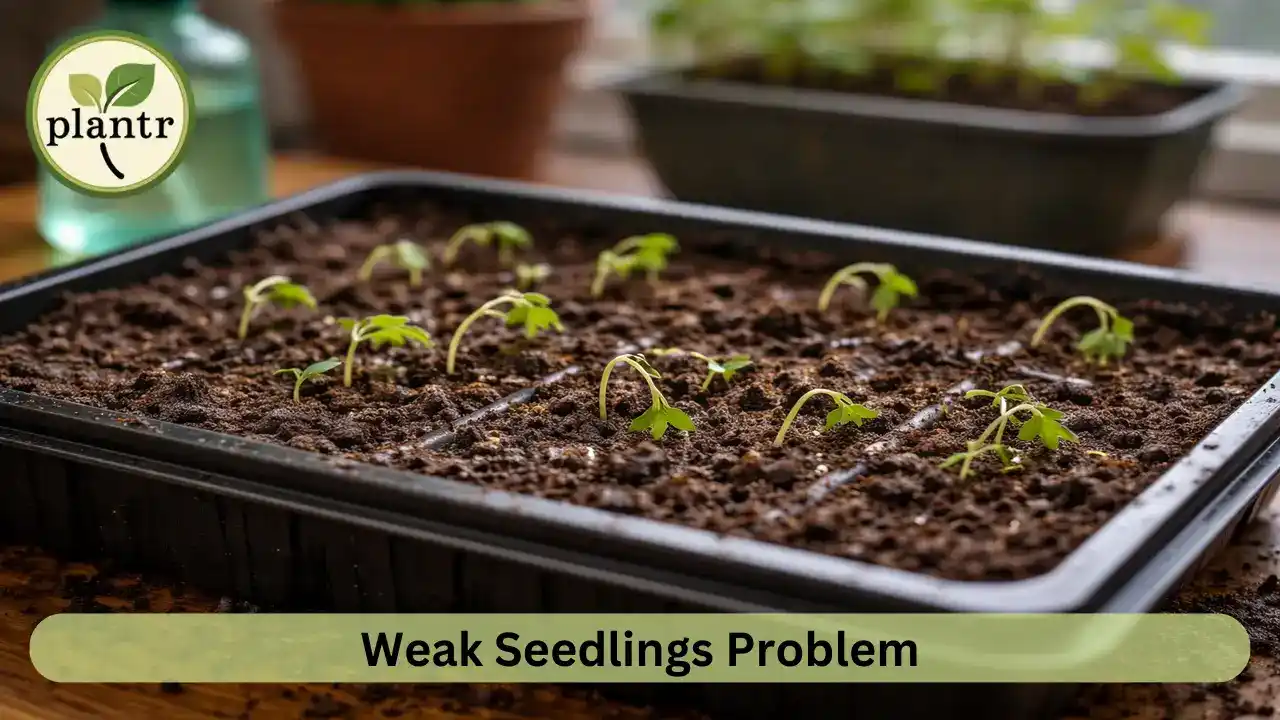
Sometimes seeds germinate successfully, but the seedlings become weak or collapse. This is commonly called damping off disease in seedlings, which is seen in many home gardens.
Common Causes
Excess moisture
Poor air circulation
Using infected or heavy garden soil
How to Fix It
Use light and well-draining potting mix instead of heavy soil.
Avoid overcrowding seeds in trays or pots.
Water gently and only when soil feels slightly dry on top.
Keep seed trays in a bright but airy location.
Uneven Germination
If some seeds sprout quickly while others take too long, it may indicate uneven seed germination causes such as inconsistent watering or poor seed quality.
Practical Solutions
Mix seeds properly before sowing to distribute them evenly.
Water trays uniformly so all seeds receive similar moisture.
Maintain consistent sunlight exposure for seed trays.
Seeds Rotting Before Germination
Seed rotting is very common, especially during humid weather in many parts of India.
Why It Happens
Soil stays wet for too long
Lack of drainage holes in containers
Planting seeds too deep
Fixing Seed Rotting Problems
Always use containers with proper drainage holes.
Use a loose soil mix with cocopeat, compost, and sand or perlite.
Avoid daily watering unless the soil dries quickly.
Slow Germination
Some seeds naturally take longer to sprout, but sometimes slow seed germination solutions are needed when delays happen due to environmental stress.
Ways to Improve Germination Speed
Pre-soak certain seeds like beans or peas before sowing.
Keep seed trays warm, especially during winter months.
Place trays where they receive gentle morning sunlight.
Soil and Watering Mistakes Beginners Make
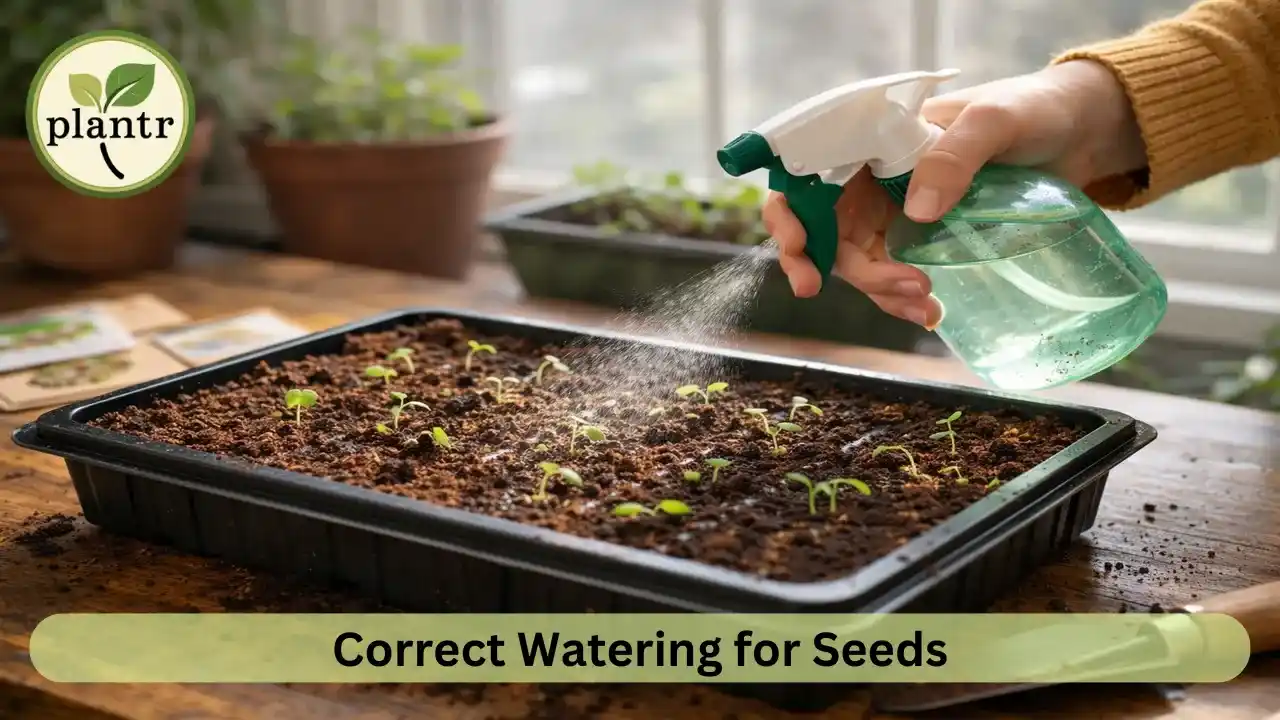
Many seed starting mistakes beginners make are related to soil and watering habits.
Using Garden Soil Directly
Garden soil often contains pests, fungi, and compact particles. This can block oxygen and damage seeds.
Better Option:
Use a light seed starting mix. In most home gardens, cocopeat mixed with compost works well.
Overwatering Seeds
Beginners often believe more water means faster growth. Unfortunately, this usually leads to root damage and fungal issues.
Better Approach:
Water lightly using a spray bottle.
Check soil moisture with your finger before watering.
Temperature and Light Issues
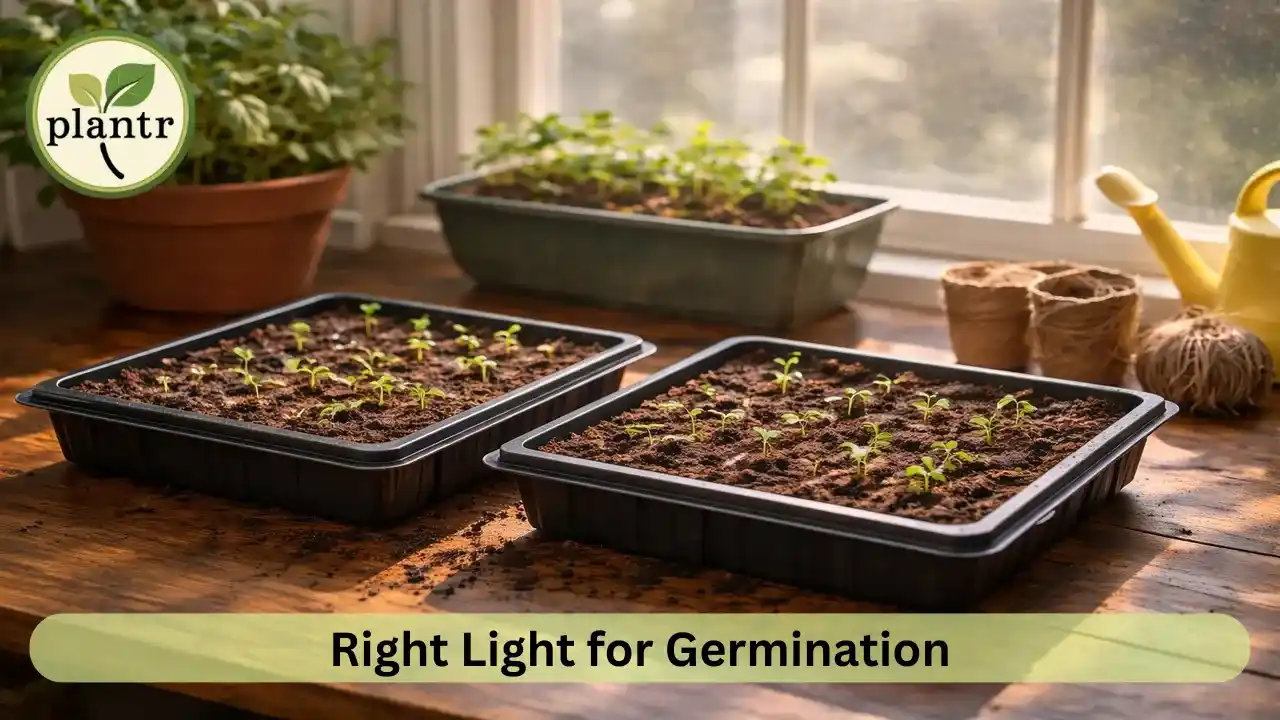
Temperature Problems
Every plant has its own germination temperature range. If seeds are too cold or too hot, germination may fail.
In many Indian regions:
Winter crops prefer mild temperatures.
Summer vegetables like okra or gourds germinate better in warm weather.
Light Requirements
Some seeds need light to germinate, while others prefer darkness. Always check seed packet instructions. Placing seeds incorrectly can delay or stop germination.
Poor Seed Storage Problems
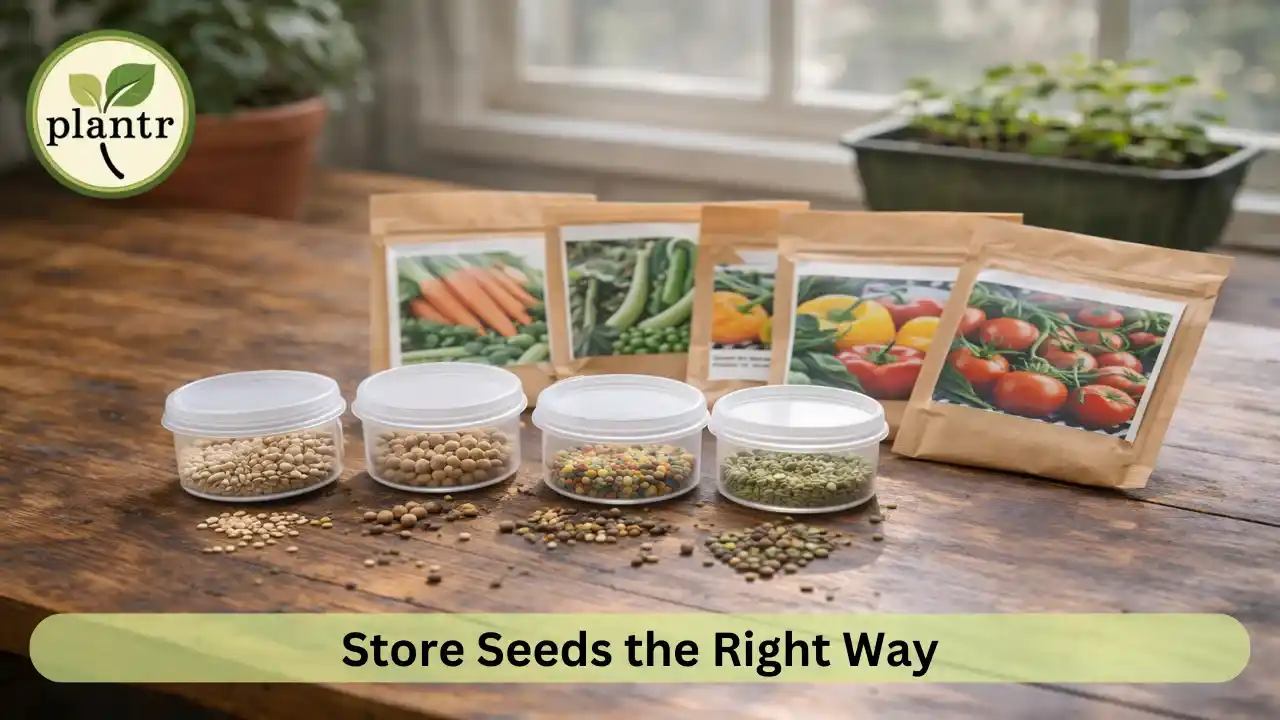
Many gardeners store leftover seeds improperly, leading to low germination next season.
Proper Seed Storage Tips
Store seeds in airtight containers.
Keep them in a cool and dry place.
Avoid storing seeds near kitchen moisture or heat.
Good storage helps maintain seed quality and reduces common seed germination problems in home gardens.
Extra Tips to Improve Germination Success
These small habits usually improve seed results:
Label seed trays to track sowing dates.
Avoid touching seeds with wet or dirty hands.
Rotate trays occasionally for equal sunlight.
Thin overcrowded seedlings early to reduce competition.
When Germination Still Fails
Sometimes, even experienced gardeners face failure. Weather changes, seed genetics, or sudden temperature fluctuations can affect results. Gardening is often about learning through observation and patience. Most gardeners improve naturally with practice.