
Table of Contents
ToggleShould You Soak Seeds Before Planting?
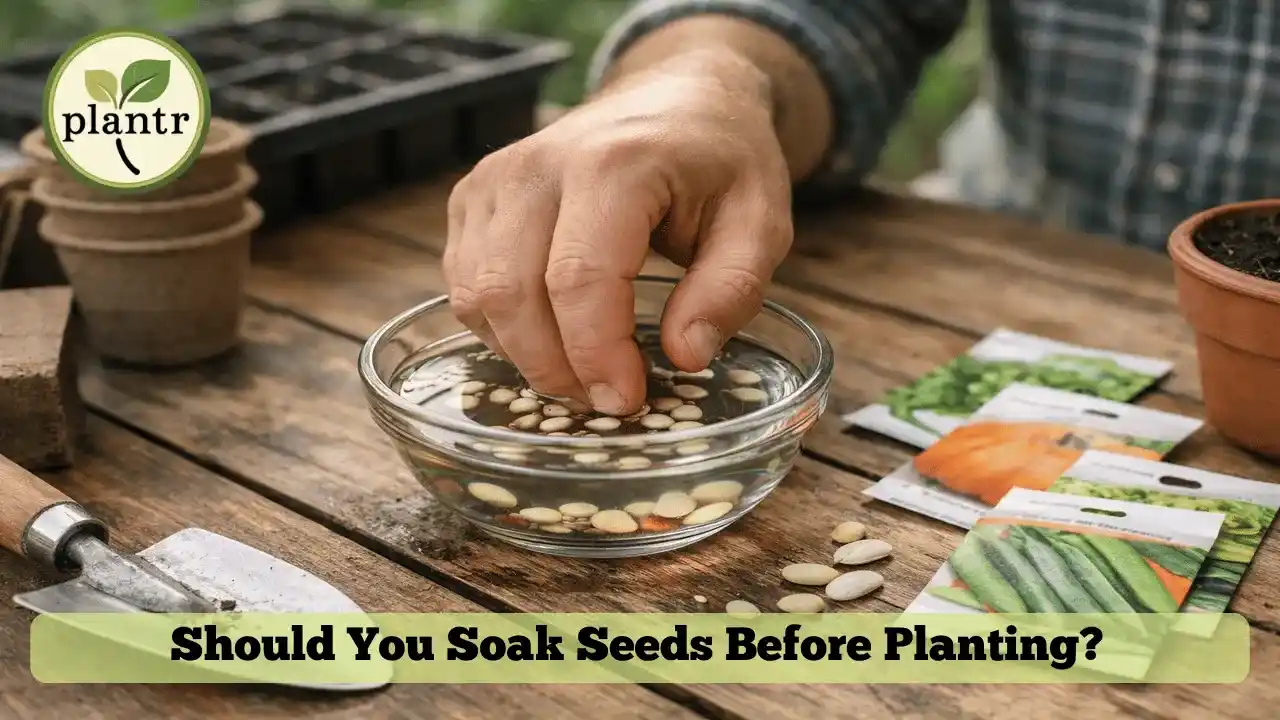
If you have ever started plants from seeds at home, you might have come across a common question: Should you soak seeds before planting? Many beginner gardeners hear about this trick but are not always sure when or why it is done.
In most home gardens, seed soaking is simply a small step that may help certain seeds start germinating a bit faster. It is not always necessary, and many seeds grow perfectly well without it. Still, understanding when soaking helps can make seed starting easier, especially for beginners growing vegetables or flowers in pots.
Let’s look at how seed soaking works, which seeds usually benefit from it, and how to do it safely without damaging the seeds.
What Does Soaking Seeds Before Planting Do?
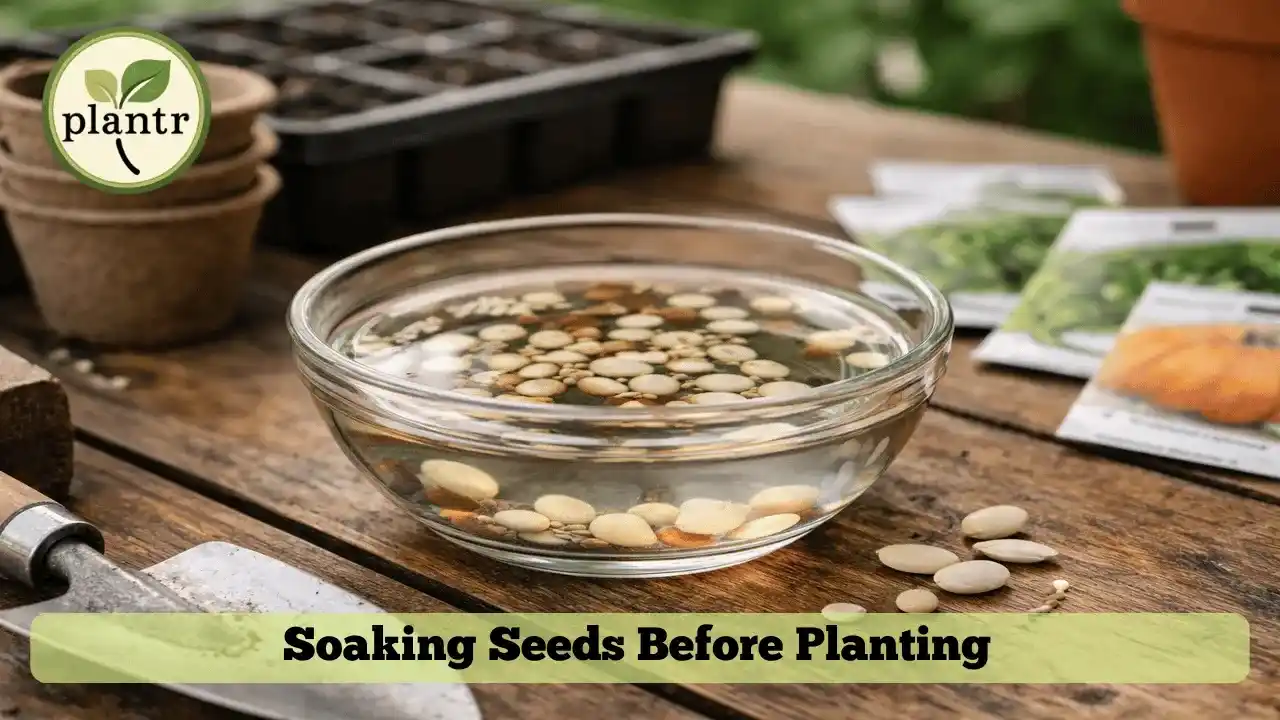
Seeds have a protective outer coating. This coating protects the seed while it is dormant, but it also slows down the process of absorbing water.
When seeds are soaked in water before planting, the outer shell softens. This helps moisture reach the inner embryo faster. Once the seed absorbs water, the germination process can begin.
In simple terms, soaking can help with:
Softening hard seed coats
Allowing faster water absorption
Encouraging earlier germination in some cases
However, soaking seeds is not a magic trick. Good soil, proper watering, and the right temperature are still the most important factors for seed germination.
Should You Soak Seeds Before Planting?
The short answer is: sometimes yes, sometimes no.
Many gardeners soak seeds mainly when they are dealing with large or hard-coated seeds. These types of seeds naturally take longer to absorb water.
Seeds that are tiny or soft usually do not need soaking at all.
In most home gardens, gardeners choose to soak seeds when:
The seed coat is thick or tough
The seed is large and slow to sprout
They want to speed up germination slightly
But even without soaking, many seeds will sprout normally if the soil stays moist.
Seeds That Usually Benefit From Soaking
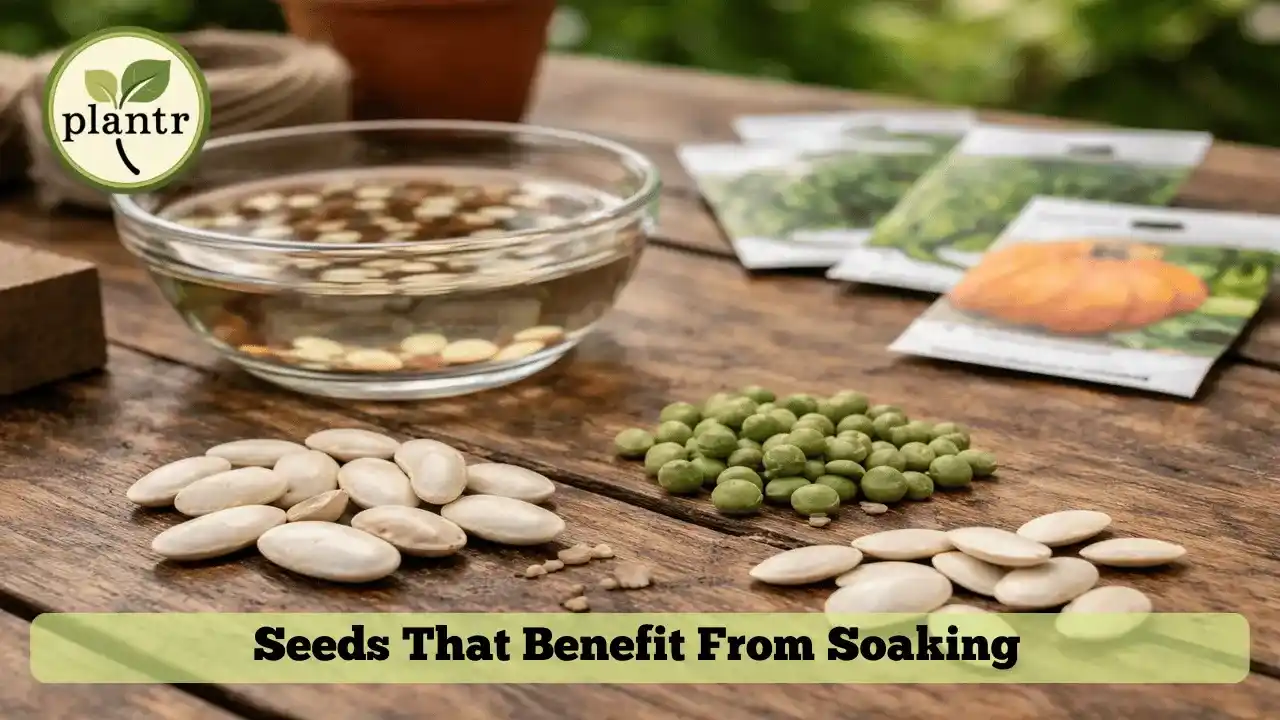
Some seeds commonly respond well to soaking before planting. These seeds often have a thicker outer shell.
Examples include:
Peas
Beans
Pumpkin
Bottle gourd
Bitter gourd
Okra
Corn
These seeds often show better moisture absorption when soaked for a few hours before sowing.
This is why many gardeners searching for how to soak seeds before planting often find these vegetables mentioned.
Seeds That Should NOT Be Soaked
Certain seeds are too delicate for soaking. These seeds are usually very small and can easily rot if they stay in water too long.
Seeds that generally should not be soaked include:
Lettuce
Basil
Carrot
Zinnia
Petunia
Tomato
Small seeds are usually better planted directly in moist soil. This method is often called direct sowing seeds in soil.
When the soil stays lightly moist, these seeds naturally absorb water and begin germinating.
How Long Should Seeds Be Soaked?
One common beginner question is about the seed soaking time before planting.
In most cases, seeds are soaked for 8 to 24 hours.
Here is a simple guideline many home gardeners follow:
Small to medium seeds: 6–8 hours
Large seeds: 12–24 hours
It is usually best not to soak seeds longer than one day. If seeds stay underwater too long, they may start to rot or lose their ability to sprout.
How to Soak Seeds Before Planting
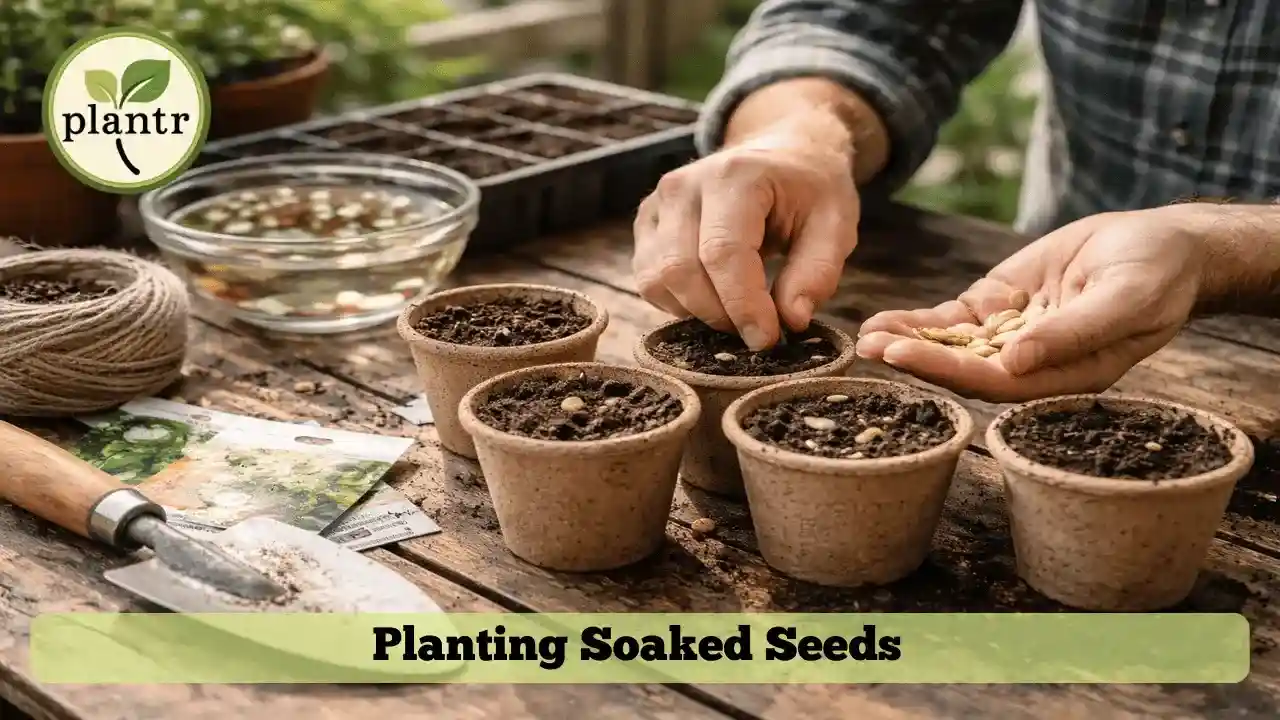
If you want to try soaking seeds, the process is very simple.
Step-by-step method
Take a small bowl or cup.
Fill it with room-temperature water.
Add the seeds into the water.
Leave them for the recommended soaking time.
After soaking, drain the water.
Plant the seeds immediately in moist soil.
Many gardeners prefer planting soaked seeds right away because the germination process may have already started.
This simple pre-soaking seeds for germination technique is commonly used for vegetables grown in containers or small home gardens.
Tips for Better Seed Germination
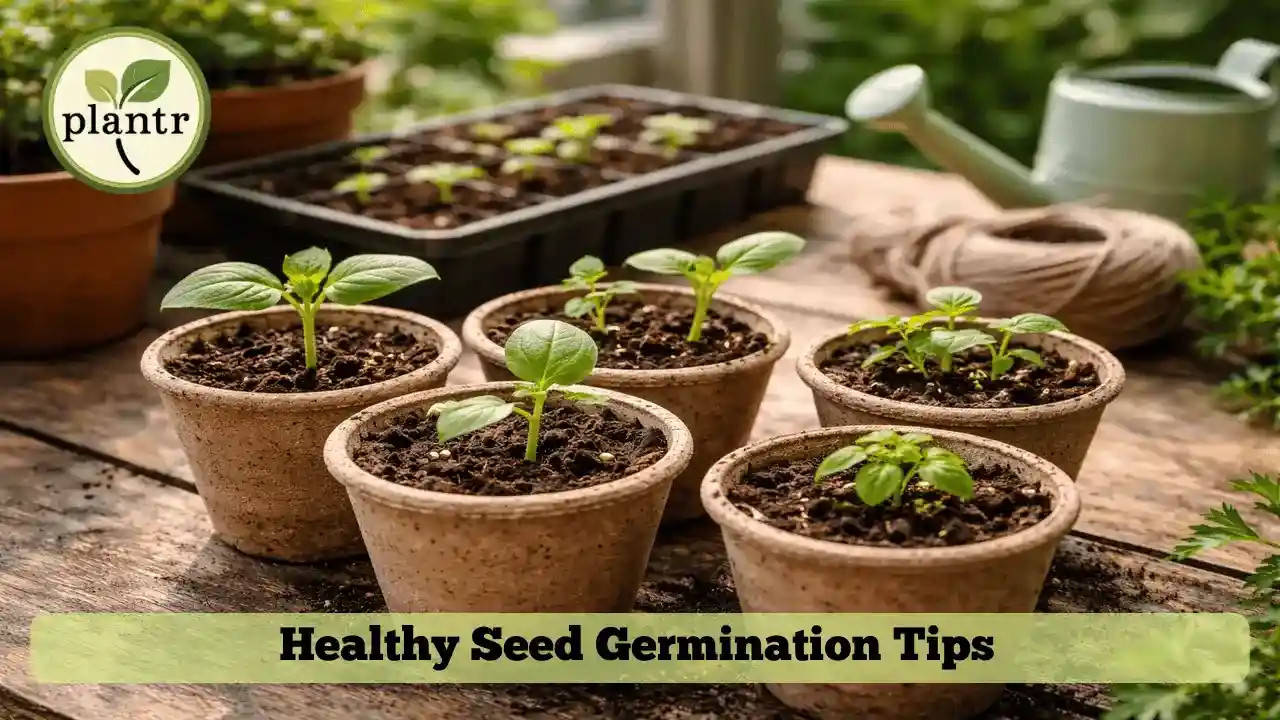
Whether you soak seeds or not, a few simple gardening habits can improve your chances of successful germination.
Use loose, well-draining soil
Seeds grow best in light soil that allows air and moisture to reach them easily.
Avoid planting seeds too deep
A common rule is to plant seeds about 2–3 times their size in depth.
Keep soil evenly moist
The soil should stay slightly moist but not waterlogged.
Provide warmth and sunlight
Most vegetable seeds germinate well in warm conditions with indirect sunlight.
These basic steps are often more important than soaking seeds.
Common Mistakes Beginners Make
Many new gardeners try soaking seeds but sometimes run into small problems. Avoiding these mistakes can help.
Soaking seeds too long
Leaving seeds in water for more than 24 hours may damage them.
Planting seeds in wet soil
Overly wet soil can cause seeds to rot before sprouting.
Forgetting to plant soaked seeds quickly
Once seeds absorb water, they should be planted soon.
Soaking tiny seeds
Small seeds usually do not benefit from soaking and may become difficult to handle.
Is Seed Soaking Necessary for Every Garden?
Not at all.
In many home gardens, gardeners simply plant seeds directly into soil and still get good results. Seed soaking is just one small technique that may help certain seeds germinate a little faster.
If you are new to gardening, it is perfectly fine to start with simple direct sowing and focus on maintaining healthy soil and proper watering.
Over time, you can experiment with techniques like soaking seeds before planting and see what works best in your garden conditions.
FAQs
Sometimes it can. Soaking may soften the seed coat, which helps water reach the seed more quickly. However, proper soil moisture and temperature are still the most important factors.
Yes, many gardeners soak seeds overnight. In most cases, 8–12 hours of soaking is enough for larger seeds like beans or peas.
Room-temperature tap water is commonly used in home gardens. Avoid using very hot water because it may damage the seeds.
It is generally best to plant soaked seeds soon after removing them from water. Waiting too long may reduce their chances of germinating.
Finding What Works Best for Your Seeds
When it comes to soaking seeds before planting, there isn’t a single rule that fits every situation. Some larger seeds with tougher outer shells can benefit from soaking for a few hours, while many small seeds usually germinate well when sown directly into moist soil.
For most beginners, soaking seeds is more of an optional step than a requirement. What truly matters is preparing healthy soil, planting seeds at the correct depth, and maintaining gentle moisture during the germination stage. If you are just starting out, exploring practical tips on gardening for beginners in India can help you understand these basics more clearly.
Once seedlings begin to grow, choosing suitable crops—such as those listed in best vegetables to grow in balcony garden—can make early gardening success much easier and more encouraging.