
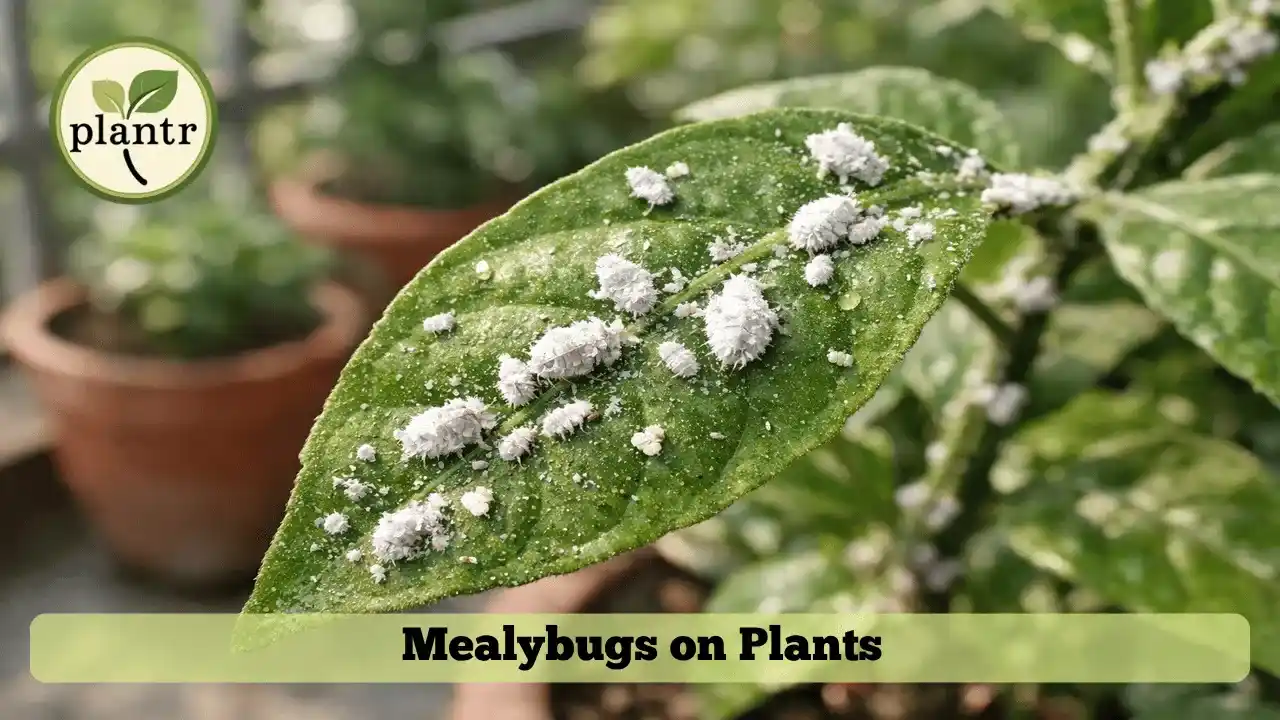
If you’ve ever noticed tiny white cotton-like clusters on your plants, chances are you’ve met mealybugs. These little pests are quite common in home gardens, especially on indoor and balcony plants. The good news is—while they can be annoying, they are usually manageable with a bit of patience and regular care.
In this guide on Mealybugs Treatment for Potted Plants, I’ll walk you through simple, practical methods that many home gardeners in India use. No complicated steps—just easy, doable solutions that fit into your daily plant care routine.
What Are Mealybugs and Why Do They Appear?
Mealybugs are soft-bodied insects that suck sap from plants. They often hide in leaf joints, under leaves, and around stems. You’ll usually spot them as white, fluffy patches.
Common reasons they show up:
- Warm and humid conditions
- Overcrowded plants
- Poor air circulation
- Over-fertilizing (especially nitrogen-rich fertilizers)
In most home gardens, they tend to attack plants like hibiscus, money plant, succulents, and curry leaf plants.
Signs Your Plant Has Mealybugs
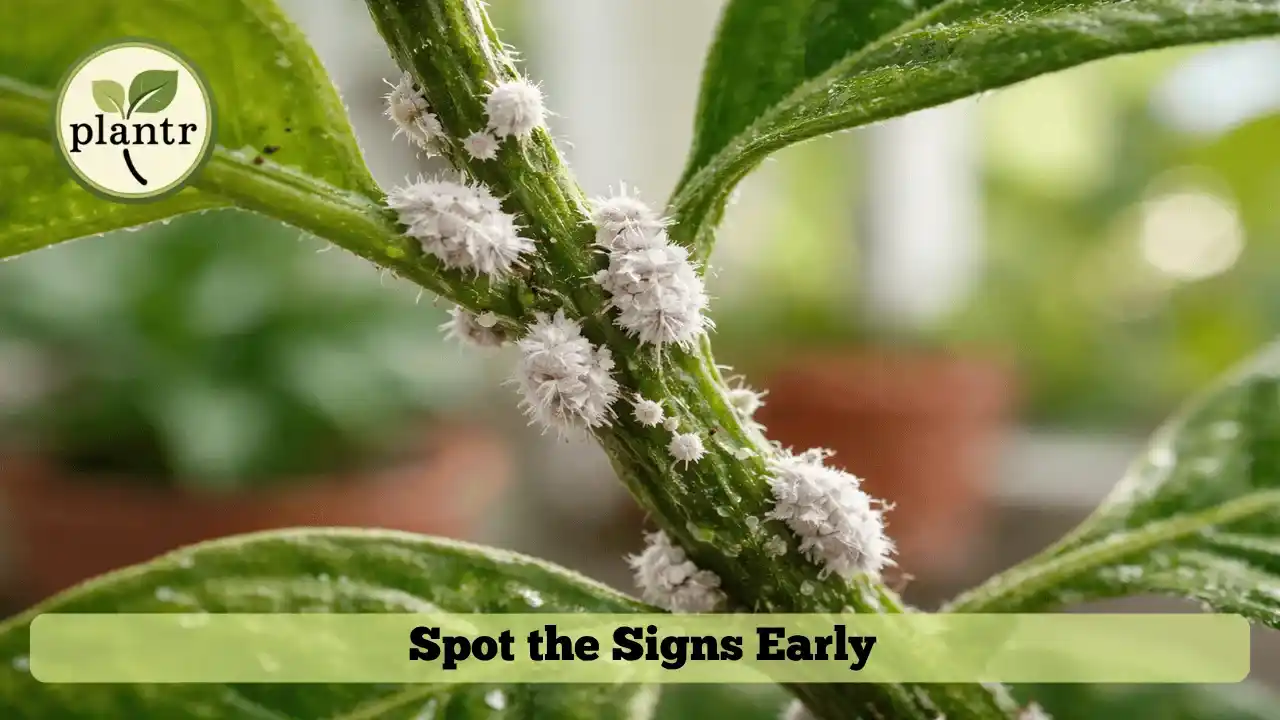
Before starting any mealybugs treatment for potted plants, it’s important to confirm the problem.
Look for these signs:
- White cotton-like clusters on leaves and stems
- Sticky residue (called honeydew)
- Yellowing or curling leaves
- Slow plant growth
Sometimes, ants around your plants can also indicate mealybugs, as they are attracted to the sticky substance.
Mealybugs Treatment for Potted Plants: Simple Methods
Let’s talk about what you can actually do at home. These methods are commonly used and generally safe for regular gardening.
1. Manual Removal (Best for Early Stage)
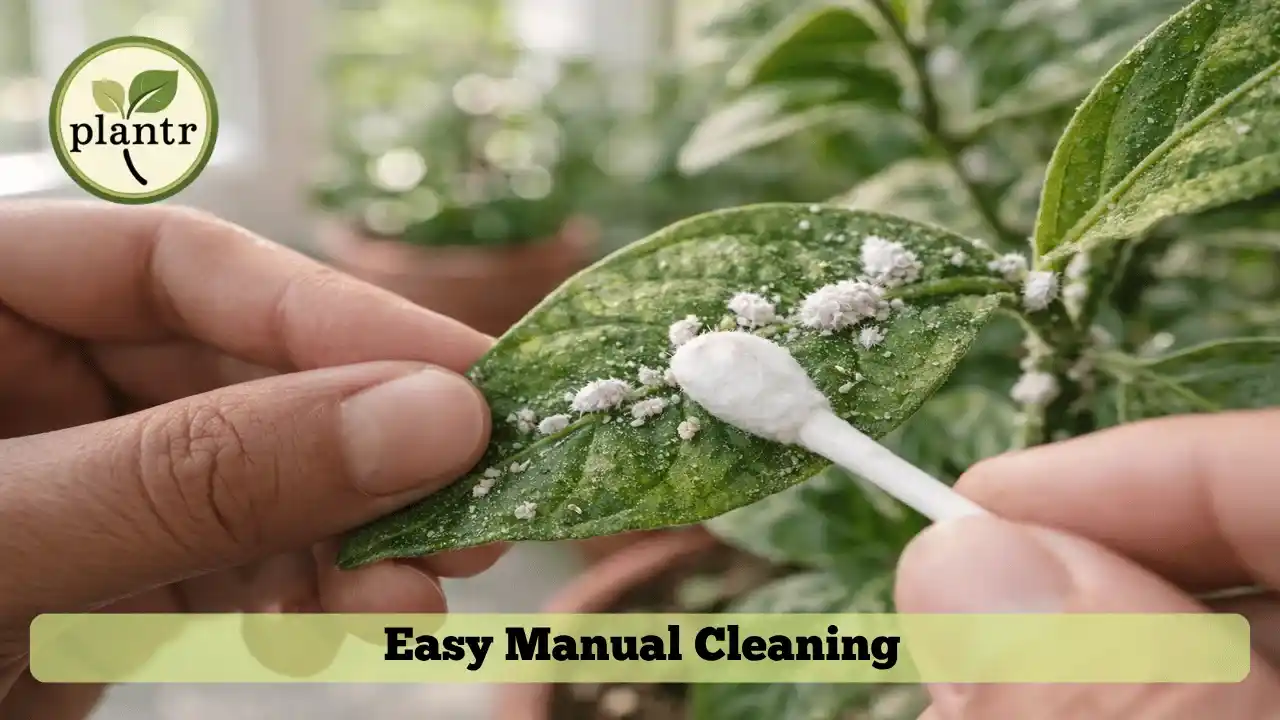
If the infestation is small, this is the easiest step.
- Use a cotton swab dipped in diluted alcohol or plain water
- Gently wipe off the bugs
- Focus on leaf joints and undersides
This method works well for how to remove mealybugs from indoor plants without stressing the plant.
2. Neem Oil Spray (Natural and Popular)
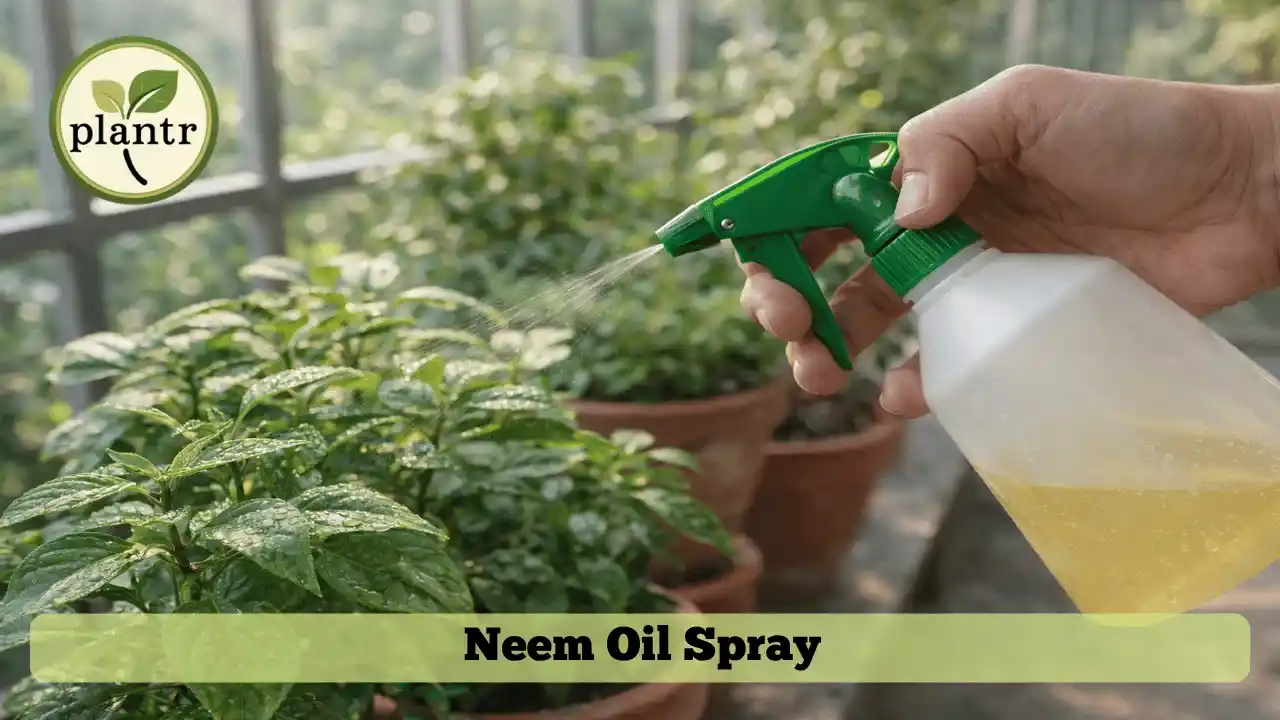
Neem oil is widely used in Indian gardening.
How to use:
- Mix a few drops of neem oil with water and a mild liquid soap
- Spray on affected areas in the evening
- Repeat every 5–7 days
This is a common natural remedy for mealybugs on plants and helps keep pests under control over time.
3. Soap Water Spray
A simple and affordable option.
- Mix mild liquid soap in water
- Spray directly on bugs
- Wash off after a few hours if needed
It helps break down the protective coating of mealybugs.
4. Pruning Heavily Affected Parts
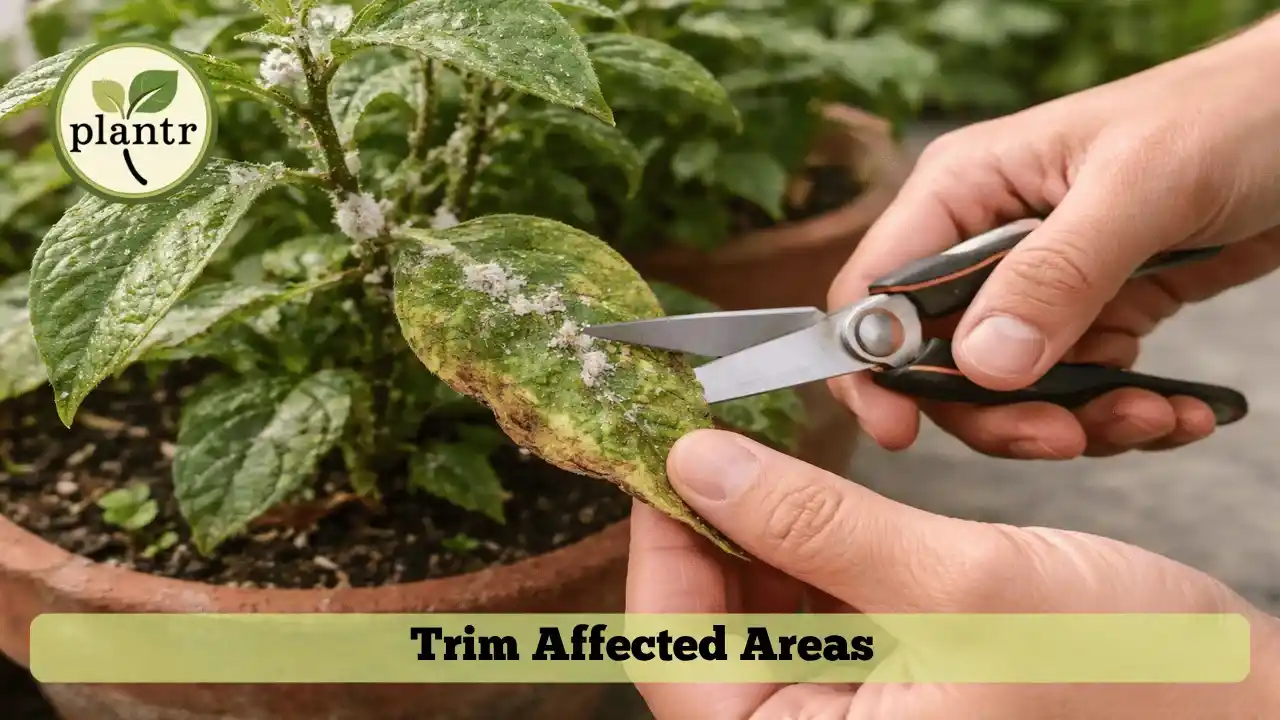
If the infestation is too much in one area:
- Trim the affected leaves or stems
- Dispose of them away from your garden
This is especially helpful for mealybugs on houseplants treatment when the spread is localized.
5. Isolate the Infected Plant
This step is often ignored but very important.
- Keep infected plants separate
- Prevent spreading to healthy plants
This is a key part of pest control for potted plants in small home spaces.
Preventing Mealybugs in the Future
Prevention is always easier than treatment. Once your plant recovers, follow these tips.
Regular care habits:
- Inspect plants weekly
- Clean leaves with a damp cloth
- Avoid overwatering and overfeeding
- Maintain spacing between pots
Extra tips:
- Use well-draining soil
- Keep plants in areas with good airflow
- Occasionally spray neem oil as prevention
These steps help in preventing mealybugs on indoor plants in the long run.
Common Beginner Mistakes
Many beginners unknowingly make small mistakes that allow mealybugs to return.
Try to avoid:
- Ignoring early signs
- Overusing sprays (can stress plants)
- Not checking undersides of leaves
- Treating once and stopping
In most cases, consistency matters more than using strong solutions.
Best Time to Treat Mealybugs
Timing can make a difference.
- Early morning or evening is best for spraying
- Avoid harsh sunlight after applying any solution
- Repeat treatment regularly, not just once
This applies to most home remedies for mealybugs and improves effectiveness.
Are Mealybugs Harmful to Plants?
They usually don’t kill plants immediately, but over time they can weaken them.
- Reduced growth
- Leaf drop
- Increased vulnerability to other pests
So it’s always better to act early when you notice them.