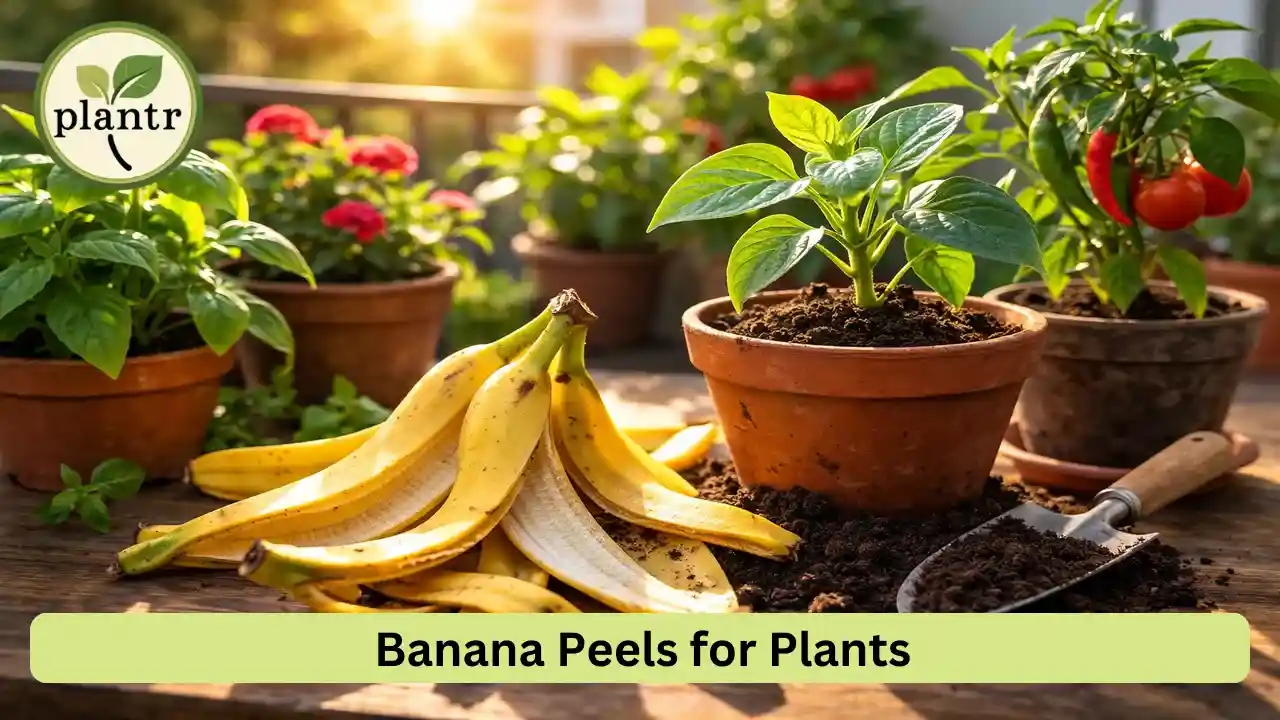
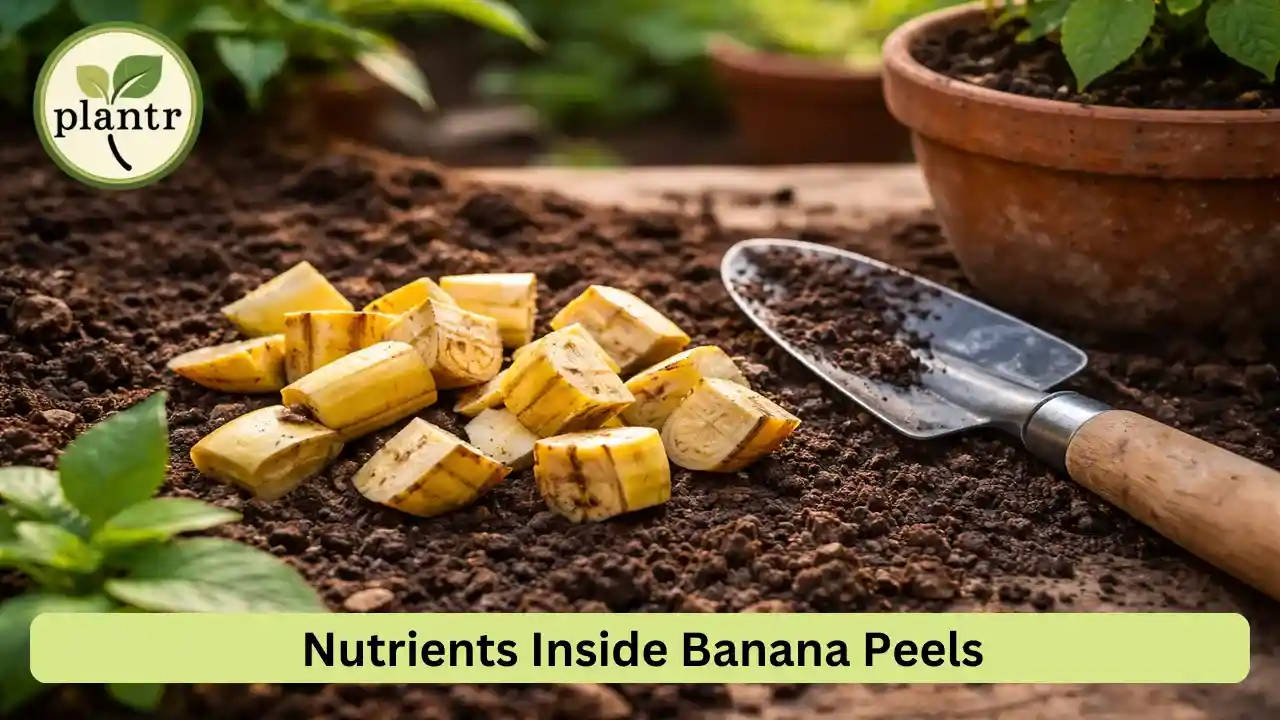
Banana peels do contain some nutrients that plants generally need. They are most commonly known for containing potassium, along with small amounts of other minerals.
In general, banana peels may contain:
Potassium
Small amounts of phosphorus
Calcium
Magnesium
Organic matter that helps soil structure
Because of this, many gardeners use them as part of natural fertilizer for plants at home. However, it’s important to remember that banana peels are not a complete fertilizer. They mainly contribute organic matter and small nutrient amounts as they break down in soil.
Banana Peel Fertilizer for Plants (Does It Work?)
In most cases, banana peels can contribute to healthier soil, but they do not act like a fast fertilizer the way packaged fertilizers do.
Here’s why:
Banana peels need time to decompose. Until they break down in the soil, the nutrients inside them are not fully available to plants.
So in most home gardens:
They work slowly
They help improve soil quality over time
They are best used along with compost or other organic materials
Gardeners who expect an immediate boost in plant growth may feel disappointed. But those who focus on long-term soil improvement often find them useful.
Common Ways Gardeners Use Banana Peels in Soil
There are several simple methods gardeners commonly try when using banana peels for plant growth.
1. Burying Banana Peels in Soil
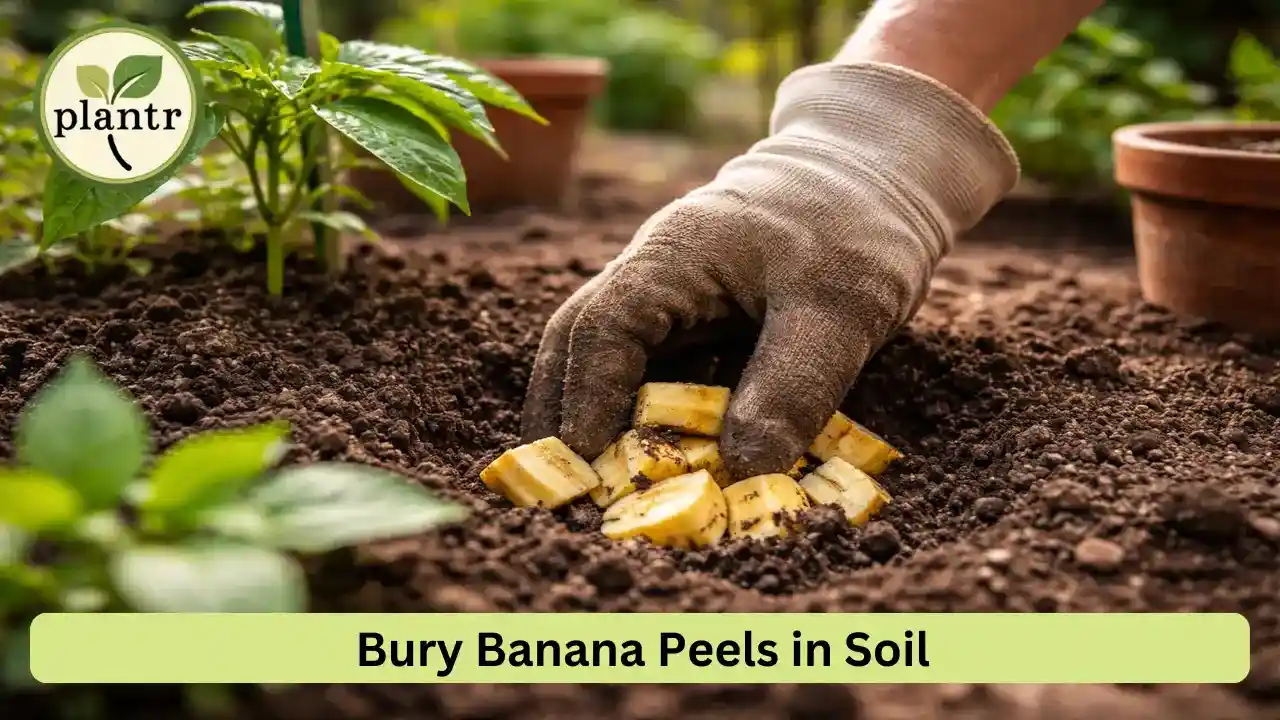
This is probably the most common method.
Gardeners usually:
Cut the banana peel into small pieces
Bury it 2–3 inches deep in the soil
Cover it properly
This helps the peel break down gradually and adds organic matter to the soil.
However, large peels placed directly on the surface may attract insects in some gardens.
2. Adding Banana Peels to Compost
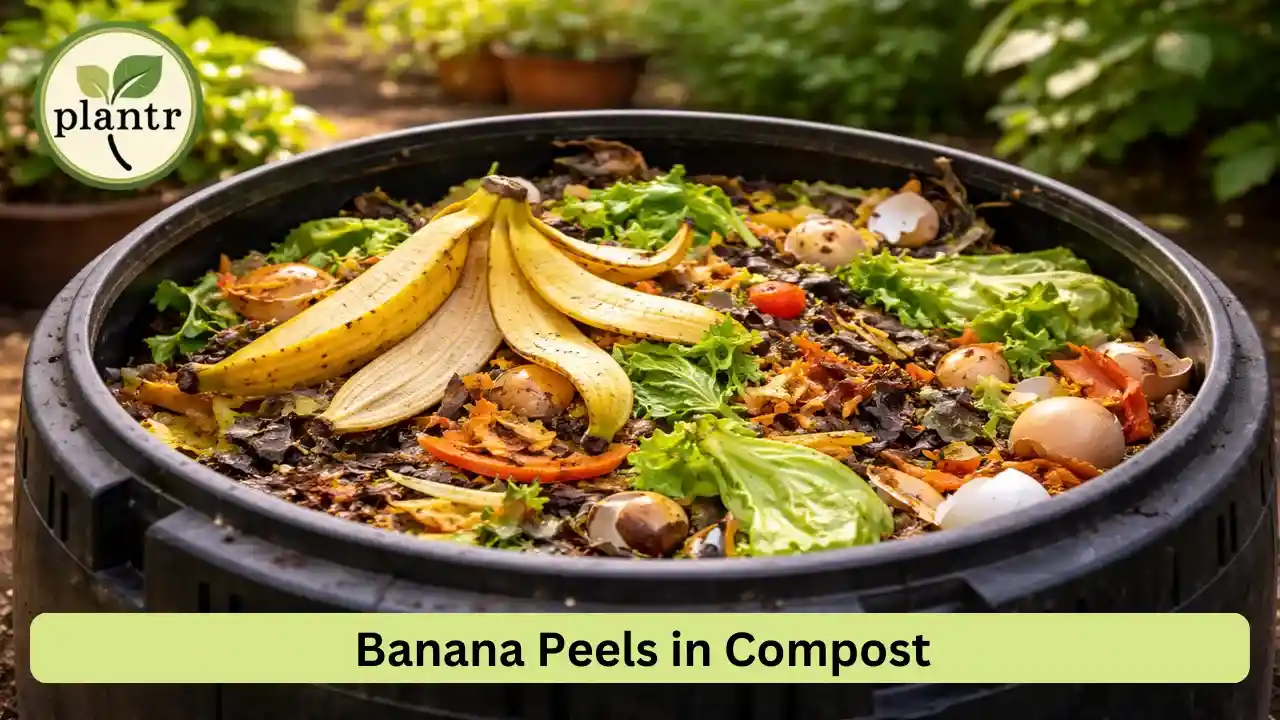
Many experienced gardeners prefer this method.
Instead of adding peels directly to the soil, they place them in a compost bin. Over time, the peels break down with other kitchen waste.
Once compost is ready, it becomes a balanced organic fertilizer for plants.
This approach is often considered the most reliable way to use kitchen waste fertilizer for plants.
3. Banana Peel Water for Plants
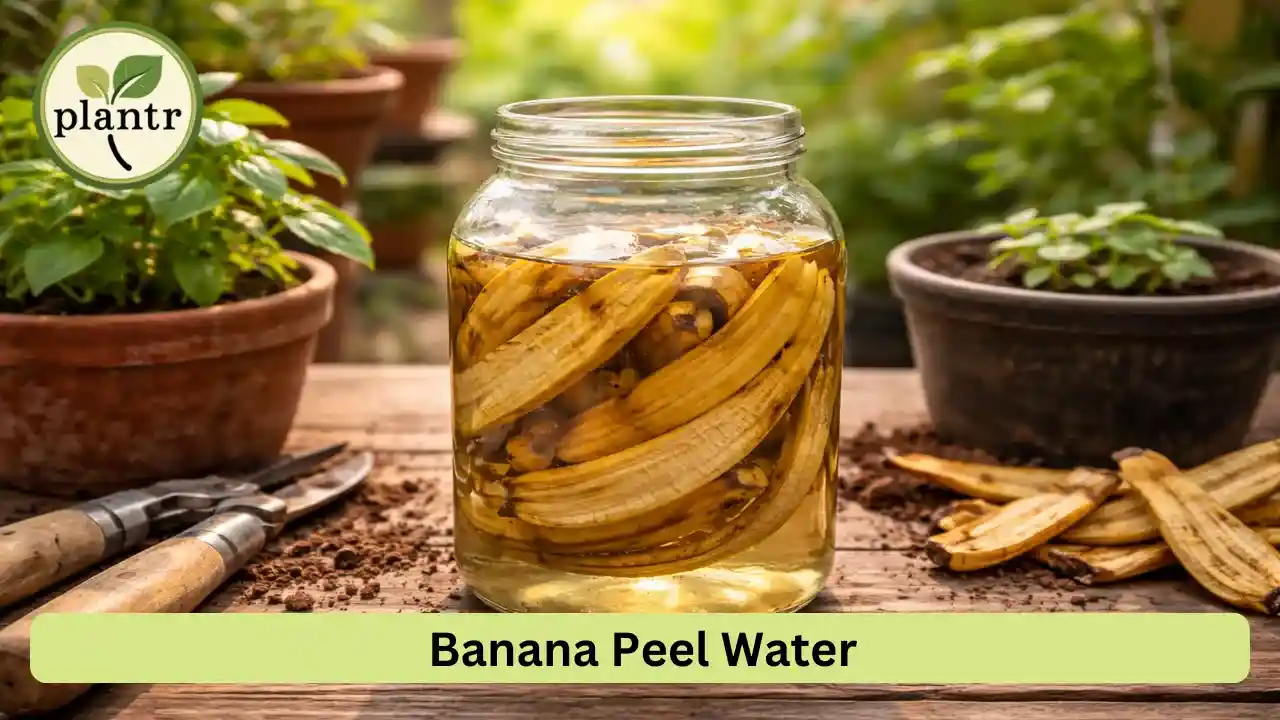
Some gardeners soak banana peels in water for a day or two and then use that water to water their plants.
This method is sometimes called banana peel tea.
However, the nutrients that dissolve in water are usually quite mild. So while it may not harm plants when used occasionally, it shouldn’t be seen as a strong fertilizer.
Plants That Gardeners Often Use Banana Peels With
Because banana peels contain potassium, gardeners often use them around plants that typically need potassium for flowering or fruiting.
Common examples include:
Roses
Tomato plants
Chili plants
Flowering plants
Kitchen garden vegetables
Still, in most gardens they are used as a soil supplement, not the only fertilizer.
Benefits of Using Banana Peels in the Garden
When used sensibly, banana peels can have some simple benefits.
1. Reduces Kitchen Waste
Instead of throwing peels away, they can be reused in the garden.
Many home gardeners like this simple form of sustainable gardening.
2. Adds Organic Matter to Soil
As banana peels break down, they contribute organic material.
This can help:
Improve soil texture
Support beneficial microbes
Slowly release nutrients
Healthy soil often matters more than quick fertilizers in small home gardens.
3. Encourages Composting Habits
Using banana peels often encourages beginners to start composting other kitchen scraps.
This can gradually lead to a healthier organic garden setup.
Common Beginner Mistakes When Using Banana Peels
Many gardening tips online make banana peels sound like a miracle solution. In reality, there are a few mistakes beginners commonly make.
Leaving Peels on the Soil Surface
Peels left on top of soil may attract:
Fruit flies
Ants
Small insects
Burying or composting them usually works better.
Expecting Instant Results
Banana peels do not work immediately.
Plants usually benefit only after the peels start decomposing in the soil.
Using Too Many Peels
Adding large amounts in a small pot may lead to slow decomposition and unpleasant smell.
In container gardening, small chopped pieces are usually enough.
Tips for Using Banana Peel Fertilizer in Home Gardens
If you want to try banana peel fertilizer for plants, here are a few practical tips many home gardeners follow.
Chop peels into small pieces before adding to soil
Bury them at least a few inches deep
Use them along with compost or other organic fertilizer
Avoid adding too many peels to small pots
Combine with other homemade fertilizer for plants
These simple steps usually help keep the soil healthy without creating problems.