
Table of Contents
ToggleBest Fertilizers for Flowering Plants
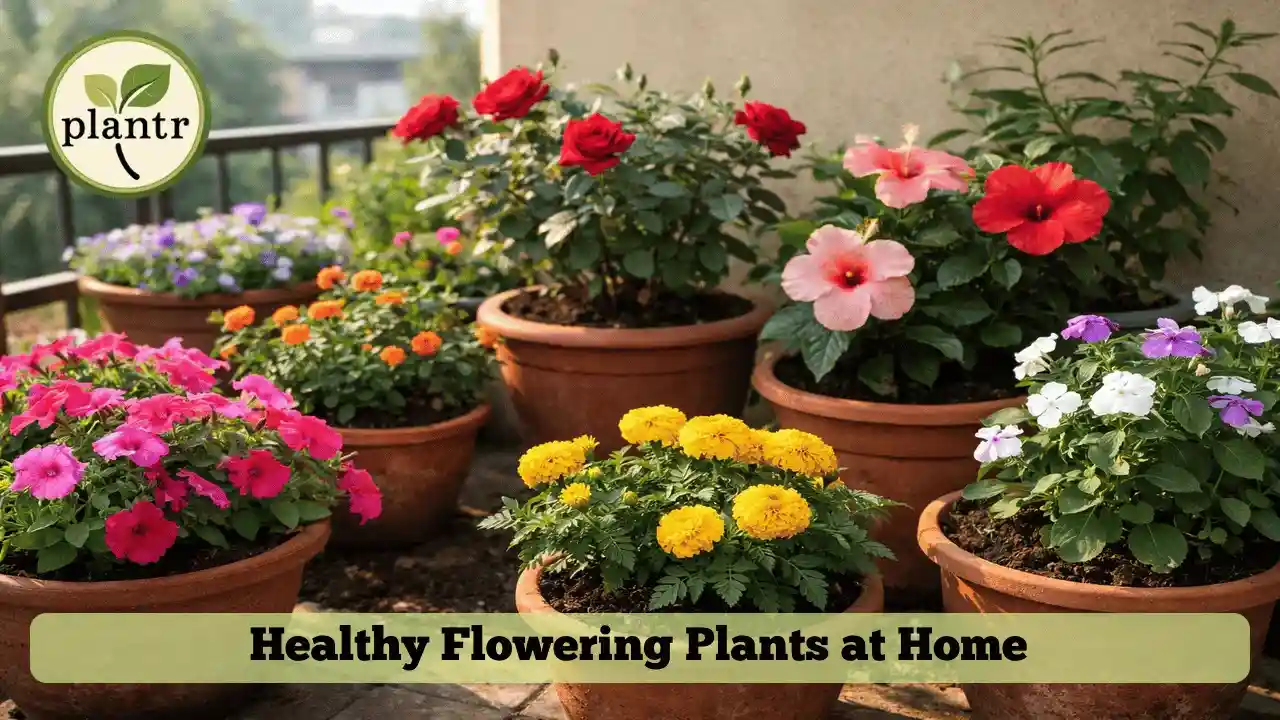
If you love flowers, you already know how satisfying it feels when a plant finally blooms after weeks of care. But many home gardeners face the same issue — healthy green plants, but very few flowers. This is where feeding the plant properly starts to matter.
In most home gardens, the problem is not sunlight or water. It is usually about nutrition. Flowering plants need a slightly different balance of nutrients compared to leafy plants. Choosing the Best Fertilizers for Flowering Plants can make a visible difference over time.
In this article, I’ll explain fertilizers in a simple, practical way — just like one gardener talking to another. No heavy science, no sales talk, and no unrealistic promises.
Why Fertilizers Matter for Flowering Plants
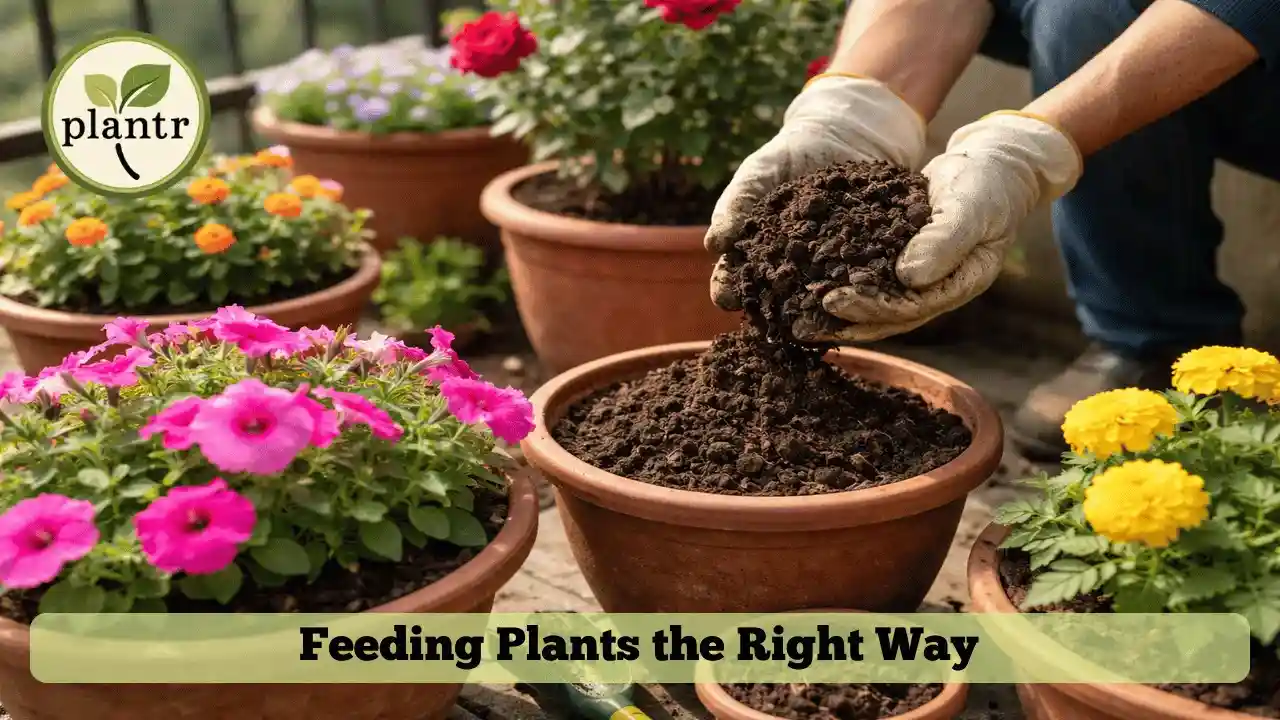
Flowers require energy. Bud formation, blooming, and maintaining flowers all need nutrients from the soil.
Over time, soil in pots and grow bags loses nutrition because:
We water plants regularly
Nutrients slowly wash out
Plants keep using what is available
In most Indian balcony and terrace gardens, soil alone is not enough after a few months. That’s why feeding becomes important, especially during the flowering stage.
Understanding Nutrients for Flowering
Before choosing the best fertilizer, it helps to understand what plants generally need.
Role of NPK in Flowering
You may have seen numbers like 10-10-10 or 5-10-10 on fertilizer packets. This refers to NPK.
Nitrogen (N): Helps with leaf growth
Phosphorus (P): Supports root growth and flowering
Potassium (K): Helps overall plant health and bloom quality
For flowering plants, fertilizers with slightly higher phosphorus or balanced NPK are commonly used.
Best Fertilizers for Flowering Plants in Home Gardens
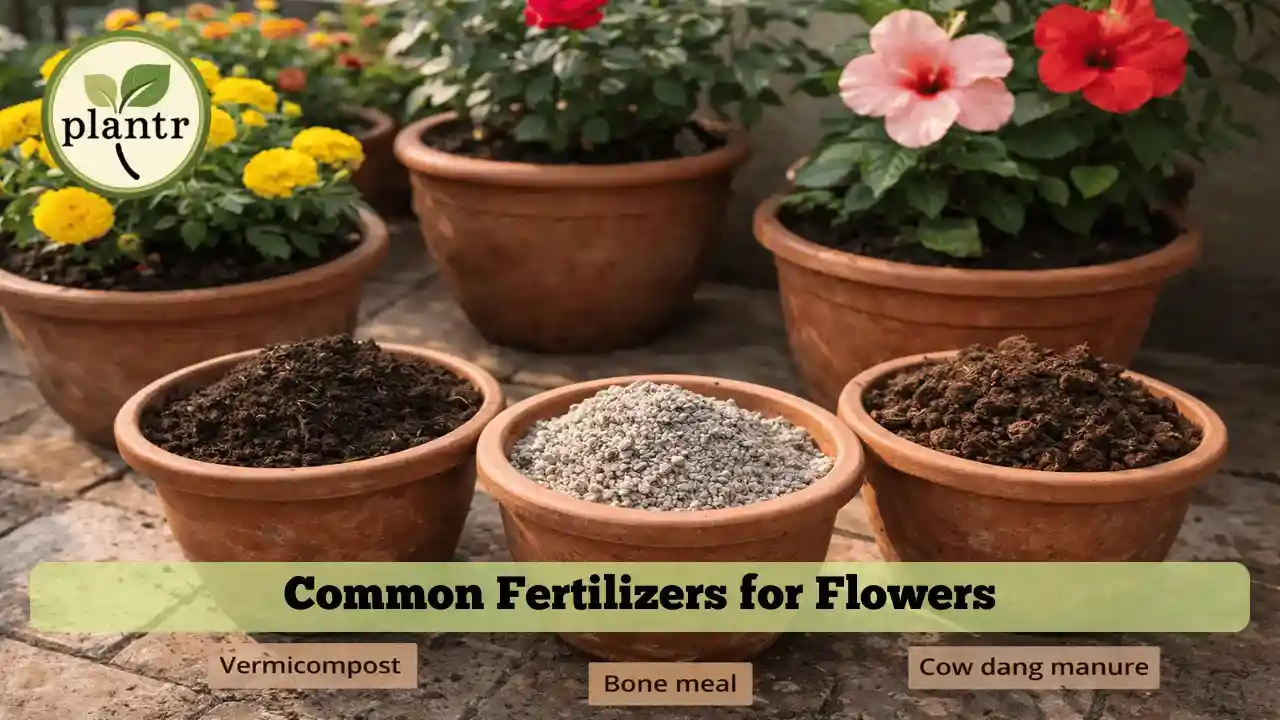
There is no single “perfect” fertilizer. Different gardeners prefer different options based on availability, budget, and comfort level.
1. Compost and Vermicompost
In most home gardens, compost is the foundation.
Improves soil quality
Adds mild, slow nutrition
Safe for regular use
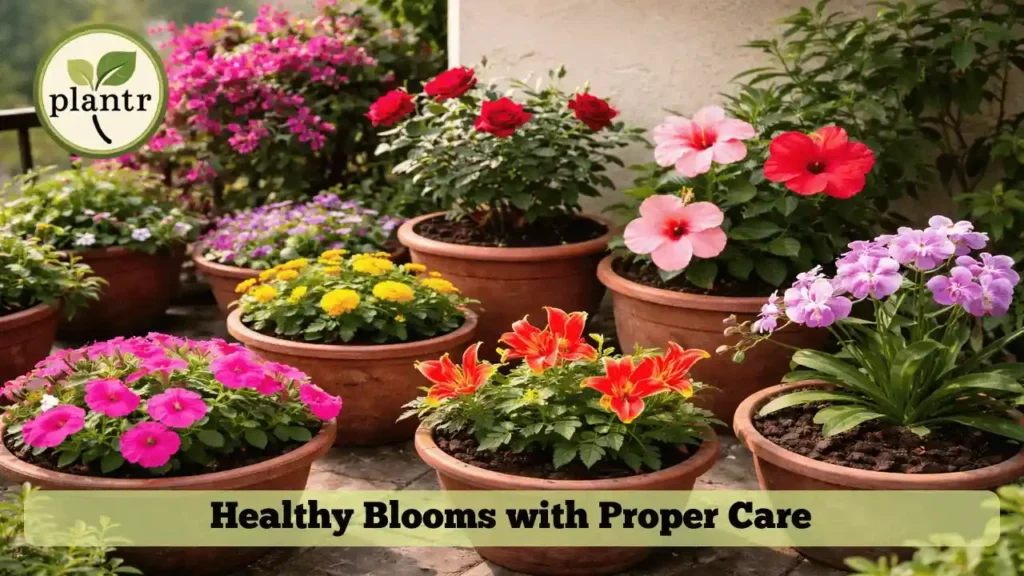
Vermicompost is commonly preferred because it is lighter and richer than normal compost. It works well for roses, petunia, hibiscus, and seasonal flowers.
2. Bone Meal for Flowering Plants
Bone meal is often used when plants are not blooming well.
Rich in phosphorus
Supports bud formation
Works slowly over time
It is usually mixed into the soil and watered well. Results are not instant, but many gardeners find it helpful.
3. Liquid Fertilizer for Flowering Plants
Liquid fertilizers are easy for beginners.
Quick absorption
Easy to control dosage
Suitable for pots and grow bags
They are commonly diluted in water and applied every 10–15 days during the flowering season.
4. Cow Dung Manure (Well-Decomposed)
Well-rotted cow dung manure is still widely used in Indian gardens.
Adds organic matter
Improves soil structure
Mild nutrient supply
Fresh manure should be avoided, as it can harm roots.
Organic Fertilizers for Flowering Plants
Many home gardeners prefer organic options because they are gentle and improve soil health over time.
Common organic fertilizers include:
Vermicompost
Panchagavya (used in diluted form)
Compost tea
Mustard cake powder (used carefully)
Organic fertilizers usually work slowly, but they support long-term plant health.
Chemical Fertilizers: Should Beginners Use Them?
Chemical fertilizers are commonly available and effective when used carefully.
Balanced NPK fertilizers for flowers are sometimes used when:
Plants look healthy but refuse to bloom
Soil has become nutrient-poor
Quick correction is needed
For beginners, it’s important to:
Use low doses
Follow instructions strictly
Avoid frequent application
Overuse can lead to leaf growth with fewer flowers.
How to Apply Fertilizer Correctly
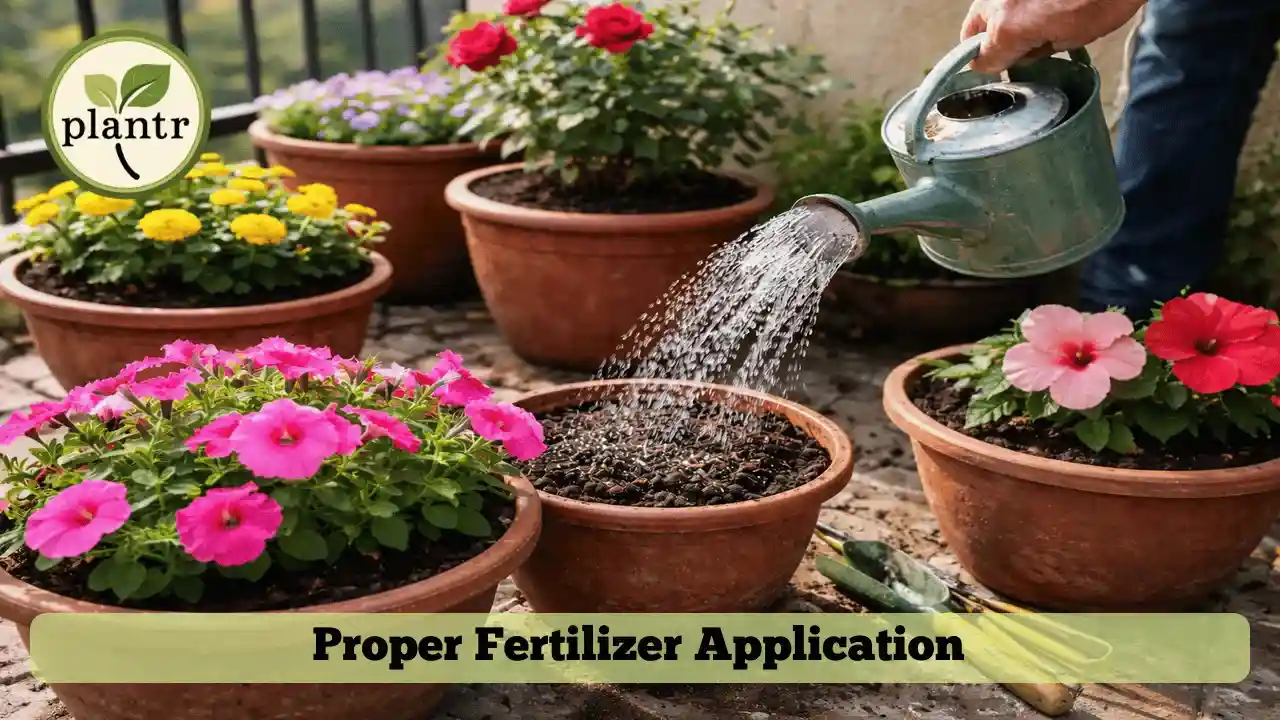
Using the right fertilizer is only half the work. Application matters just as much.
General Tips
Always water the plant before fertilizing
Apply fertilizer to moist soil, not dry soil
Avoid fertilizing stressed or sick plants
Reduce feeding during extreme heat
Frequency
In most home gardens:
Solid fertilizers: once every 20–30 days
Liquid fertilizers: once every 10–15 days
These are general guidelines, not fixed rules.
Common Beginner Mistakes to Avoid
Many flowering problems are caused by simple mistakes.
Adding too much fertilizer
Feeding too often
Ignoring sunlight requirements
Using fresh manure
Expecting instant flowers
Plants need time. Fertilizers support growth, but they don’t force blooms overnight.
Seasonal Flowering vs Perennial Flowering Plants
Different plants have different feeding needs.
Seasonal flowers like petunia and phlox respond well to light, regular feeding
Perennial plants like rose and hibiscus prefer slow, steady nutrition
Understanding your plant type helps in choosing the best fertilizer schedule.
Best Fertilizers for Flowering Plants in Pots
Plants grown in pots need extra care because:
Limited soil
Faster nutrient loss
Frequent watering
For pots, a combination usually works best:
Base soil mixed with compost
Occasional liquid feeding
Light top dressing with organic manure
FAQs About Best Fertilizers for Flowering Plants
Generally, once every 2–4 weeks is enough for most flowering plants, depending on the fertilizer type and plant condition.
In most home gardens, balanced or mild fertilizers work for many plants, but some may need adjustments based on growth and season.
This usually happens due to excess nitrogen, low sunlight, or improper feeding schedule.
Yes, in many cases organic fertilizers are sufficient, especially when used regularly and combined with proper sunlight and watering.
Supporting Blooming the Natural Way
Choosing the best fertilizers for flowering plants doesn’t need to be complicated or costly. In most Indian home gardens, simple organic feeding combined with consistent basic care brings steady and satisfying results over time.
Instead of chasing quick blooms, focus on building healthy soil and providing gentle, regular nourishment. Patience plays a key role in flowering. Plants bloom when they are strong and ready — fertilizers simply support the process rather than forcing it.
In my own garden, I noticed that once I improved the soil with compost and fed my flowering plants lightly but regularly, the blooms became more vibrant and lasted longer.