

best indoor plants for Indian homes in living room setting

Bringing plants indoors is one of the easiest ways to make a home feel calmer and more alive. In most Indian homes, space is limited, sunlight varies from room to room, and daily routines can get busy. That’s why indoor plants that are simple to care for usually work best.

Many people start indoor gardening thinking it needs special skills or expensive tools. Generally, that’s not true. With the right plant choice and a little observation, most homes can support healthy indoor plants without much effort.

This guide is written like a friendly chat between gardeners. It focuses on plants that commonly do well in Indian weather and typical home conditions, especially for beginners.

Why Indoor Plants Are a Good Choice for Indian Homes

indoor plants for Indian homes with natural light

Indoor plants are not just about looks. In most home gardens, they also help create a fresher and more relaxing environment.

Some simple benefits people usually notice:

  • Rooms feel more lively and welcoming

  • A small connection to nature, even in flats

  • A gentle hobby that doesn’t need daily attention

The key is choosing low maintenance indoor plants that can adjust to indoor light and temperature.


Things to Consider Before Choosing Indoor Plants

Before buying any plant, it helps to observe your home for a few days.

Light Availability

  • Bright indirect light near windows

  • Medium light in living rooms

  • Low light in bedrooms or corners

Most indoor plants for Indian homes prefer indirect sunlight rather than harsh afternoon sun.

Watering Habits

Overwatering is one of the most common mistakes. In most cases, indoor plants prefer soil that dries slightly between watering.

Space and Placement

Some plants grow tall, while others spread sideways. Always think about where the plant will sit long-term.

Best Indoor Plants for Indian Homes (Beginner Friendly)

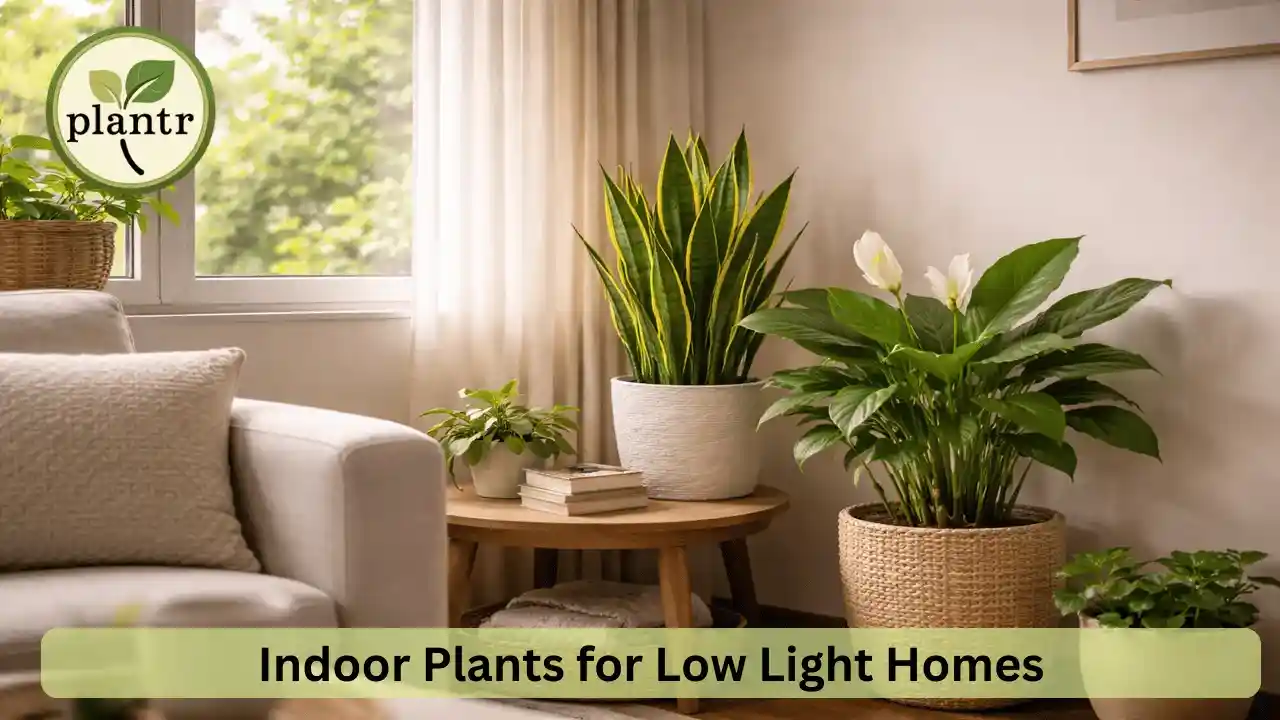
low light indoor plants for Indian homes

🌿 Snake Plant (Sansevieria)

Snake plant is one of the most commonly grown indoor plants in India.

Why it works well:

  • Tolerates low light

  • Needs watering only occasionally

  • Fits well in bedrooms and living rooms

In most home gardens, this plant survives even with irregular care.


🌿 Money Plant (Pothos)

Money plant is popular in Indian homes for its trailing vines and easy nature.

Basic care tips:

  • Grows well in soil or water

  • Prefers bright, indirect light

  • Trim occasionally to keep it bushy

It’s often recommended for flats and rented homes because it adapts easily.


🌿 Peace Lily

Peace lily is known for its green leaves and white flowers.

Things to know:

  • Likes medium to low light

  • Leaves droop slightly when it needs water

  • Does better in humid indoor conditions

Generally, it’s a good choice for living rooms or office corners.


🌿 Areca Palm

Areca palm adds a soft, tropical look to Indian homes.

Care basics:

  • Needs bright but filtered sunlight

  • Water when topsoil feels dry

  • Keep leaves clean for better growth

In most cases, it works well near windows or balconies with curtains.


🌿 ZZ Plant

ZZ plant is often chosen by people who forget to water plants.

Why beginners like it:

  • Survives low light

  • Stores water in its roots

  • Grows slowly and steadily

It’s commonly used in bedrooms and offices.


🌿 Spider Plant

Spider plant is simple, cheerful, and forgiving.

Helpful points:

  • Prefers bright indirect light

  • Produces baby plants easily

  • Handles occasional missed watering

In Indian homes, it’s often kept on shelves or hanging pots.
Indoor Plants for Low Light Indian Homes

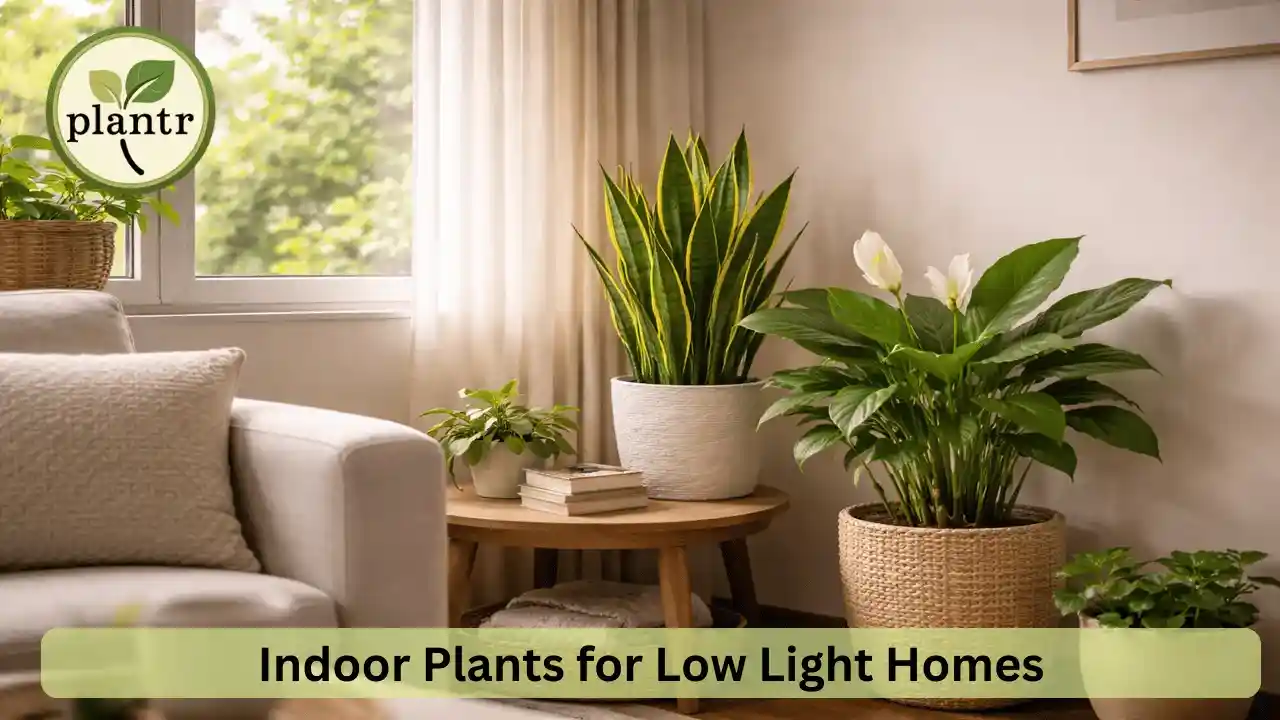
low light indoor plants for Indian homes

Not every home gets enough sunlight. Thankfully, some plants manage well in low-light conditions.

Common low light indoor plants include:

  • Snake plant

  • ZZ plant

  • Peace lily

  • Aglaonema

These plants generally adjust well to indoor corners and shaded rooms.


Best Indoor Plants for Bedrooms

Bedrooms usually have softer light and stable temperatures.

Plants commonly used in bedrooms:

  • Snake plant

  • Peace lily

  • Aloe vera

Avoid overcrowding. One or two plants are usually enough for a calm look.

Potting and Soil Tips for Indoor Plants

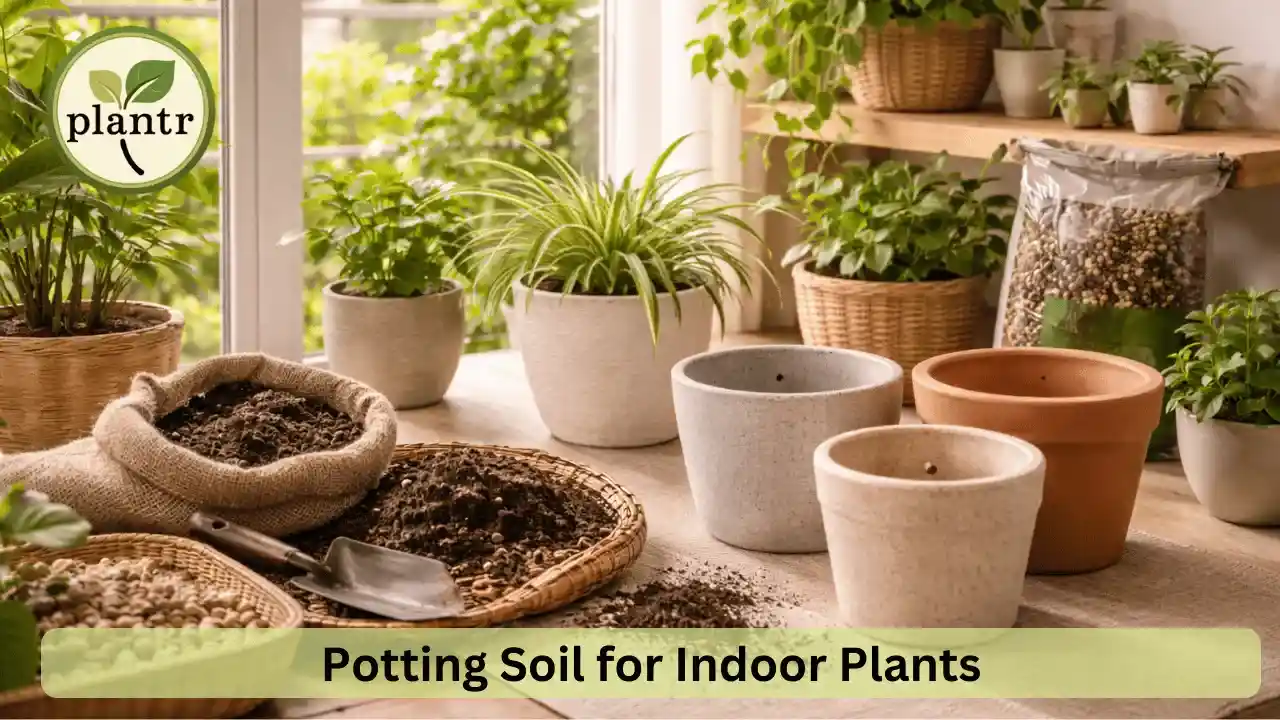
potting soil and containers for indoor plants India

Soil plays a big role in plant health.

Simple potting mix idea:

  • Garden soil (light and crumbly)

  • Compost or vermicompost

  • Sand or cocopeat for drainage

Always use pots with drainage holes. In most home gardens, poor drainage causes more problems than lack of fertilizer.


Common Beginner Mistakes to Avoid

Many indoor plant issues come from small habits.

Some common mistakes:

  • Watering on a fixed schedule instead of checking soil

  • Keeping plants in direct harsh sunlight

  • Using very large pots for small plants

  • Ignoring dust buildup on leaves

A little observation usually solves most problems.

Practical Indoor Plant Care Tips

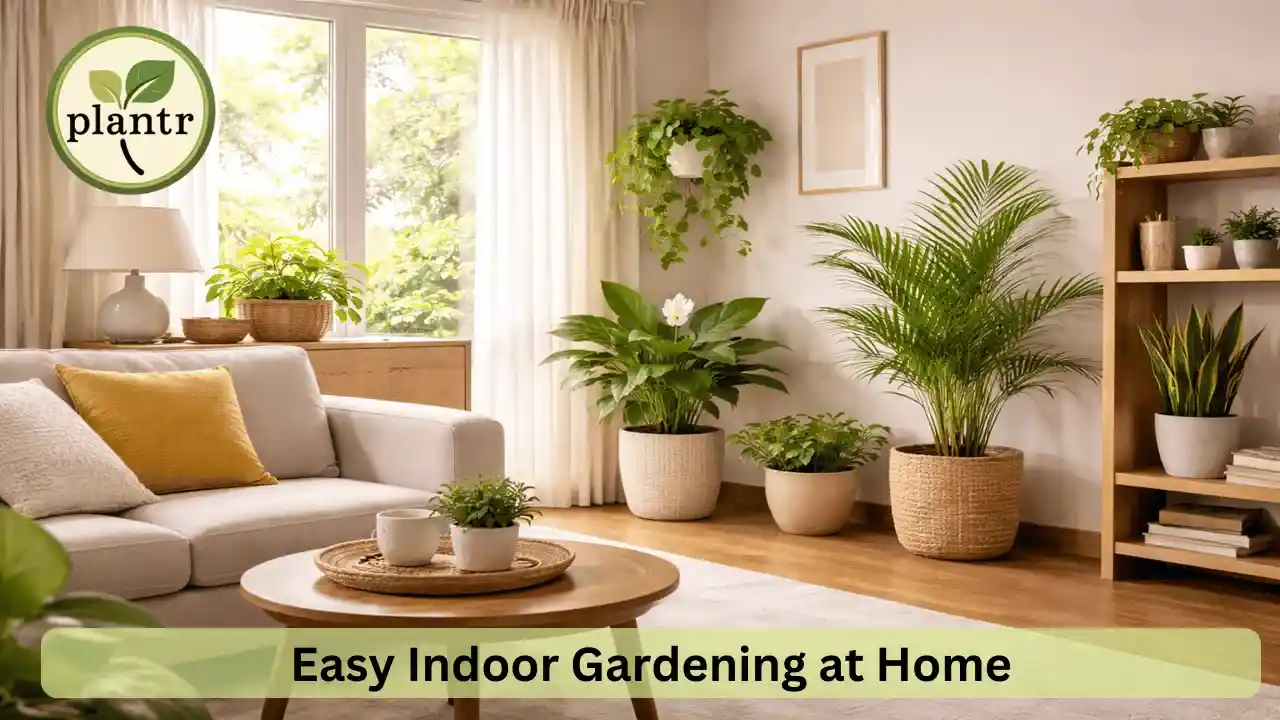
easy indoor gardening with plants in Indian homes
  • Rotate plants every few weeks for even growth

  • Wipe leaves gently with a damp cloth

  • Reduce watering during winter months

  • Watch leaves for signs of stress

Indoor gardening improves with time and patience.

FAQs

1. Which indoor plants clean the air the best for Indian homes?

Some indoor plants are especially effective at filtering common indoor pollutants like formaldehyde and benzene. Plants such as snake plant (Sansevieria), areca palm, and peace lily are known for their air-purifying qualities, making them great choices if your goal is cleaner indoor air alongside aesthetics.

2. Do indoor plants need fertilizer, and how often should I feed them?

Indoor plants do benefit from feeding, especially during their active growing season (spring and summer). A balanced, diluted liquid fertilizer every 4–6 weeks usually keeps foliage healthy. Avoid fertilizing in winter when most indoor plants slow down growth.

3. Can indoor plants survive low light conditions common in Indian apartments?

Yes — many indoor plants can tolerate low or indirect light, which is common in Indian homes with balconies or shaded rooms. Examples include ZZ plant, pothos, and peace lily. While they won’t grow as fast as in bright light, these species remain healthy and attractive even in moderate lighting.

4. How do I prevent overwatering indoor plants in Indian climates?

Overwatering is one of the biggest issues for indoor plants. The key is to check the soil before watering — water only when the top 1–2 inches of soil feel dry. Also, make sure pots have drainage holes to avoid waterlogging, which can lead to root rot.

A Natural Way to Start Indoor Gardening

If you’re just beginning your indoor gardening journey, avoid buying too many plants at once. Start with two or three easy-care indoor plants and take time to understand their watering, light, and placement needs. If you’re unsure which plants to choose, exploring the best indoor plants for Indian homes can help you pick varieties that adapt well to typical indoor conditions. In most Indian homes, plants that tolerate low to moderate light and require less frequent watering usually perform more reliably.

Indoor gardening is not about creating a perfect setup overnight. It’s about building a consistent routine and observing how your plants respond to your home environment. When you select suitable plants and care for them patiently, keeping greenery indoors feels simple rather than overwhelming.

In my own experience, starting with just a snake plant and a pothos helped me gain confidence before gradually adding more indoor plants to my space.

Scroll to Top