
Table of Contents
ToggleBest Soil Mix for Vegetable Plants in Pots
If you are growing vegetables in pots for the first time, one of the biggest questions you might have is about soil. I had the same confusion when I started my small balcony garden. I thought normal garden soil would work fine. But very soon I realized that growing vegetables in containers is a little different.
The truth is, the Best Soil Mix for Vegetable Plants in Pots is not just about soil. It is about creating the right balance of drainage, nutrition, and air for the roots. In most home gardens, especially in Indian conditions where summers can be quite harsh, the right potting mix makes a big difference.
Let’s talk about it in simple, practical terms.
Why Regular Garden Soil Is Not Enough for Pots
Many beginners simply fill pots with soil from the ground. It may work for a few days, but problems usually start later.
Here’s why:
Garden soil becomes hard and compact inside containers.
Water does not drain properly.
Roots do not get enough air.
Fungal issues can develop in waterlogged soil.
In containers, plants depend entirely on the soil mix you provide. That’s why preparing a proper potting mix for vegetables is so important.
What Makes the Best Soil Mix for Vegetable Plants in Pots?
In simple words, a good soil mix should:
Drain excess water easily
Hold some moisture
Provide nutrients
Stay light and airy
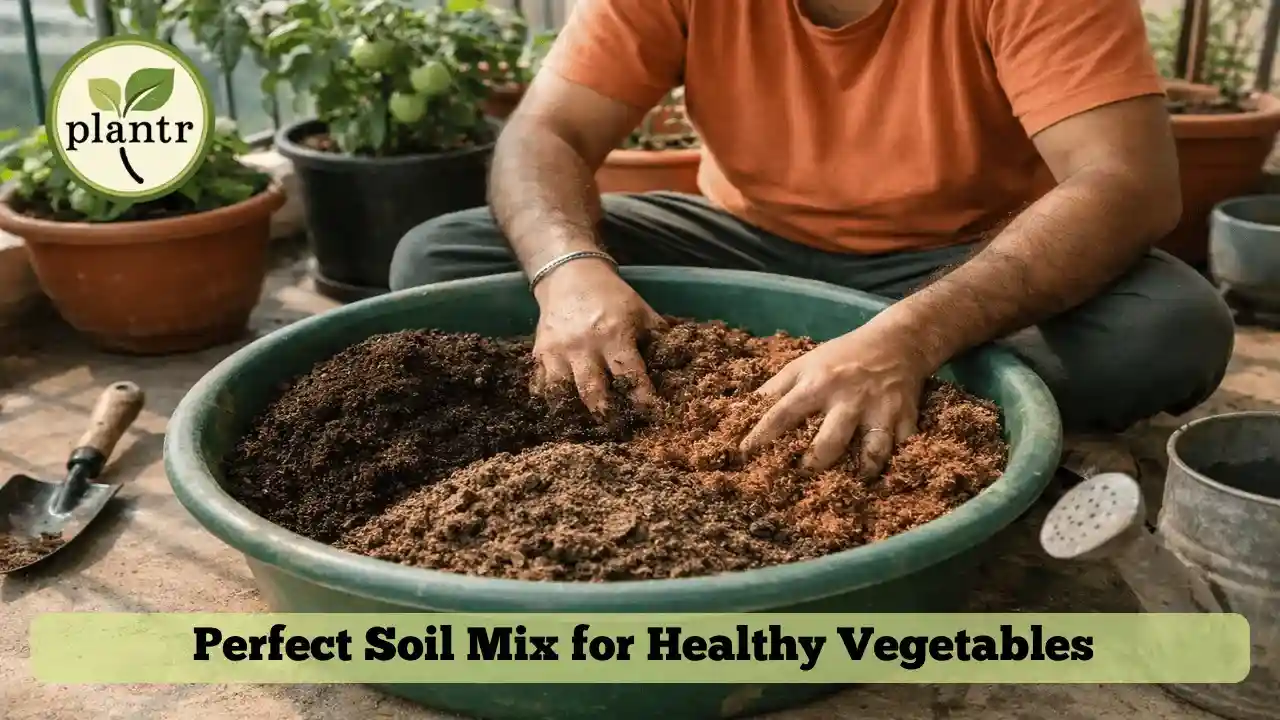
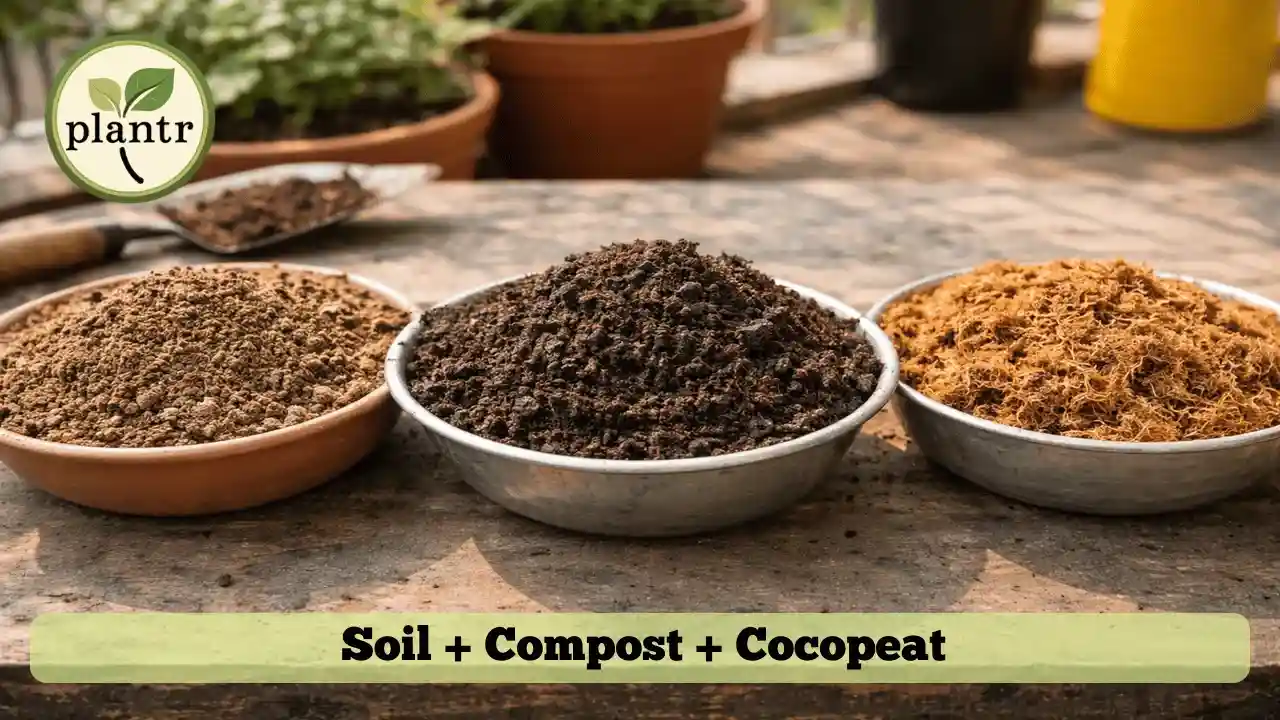
In most Indian balcony gardens, a combination of soil, compost, and cocopeat works very well.
Basic Formula: A Simple and Effective Vegetable Potting Mix
If you want a starting point, this is a commonly used ratio in many home gardens:
1. Garden Soil – 40%
This gives structure to the mix.
Make sure it is clean and free from stones or debris.
2. Compost – 30%
Compost adds nutrients. You can use:
Homemade compost
Vermicompost
Well-rotted cow dung manure
This is an important part of any organic soil mix for vegetables.
3. Cocopeat – 30%
Cocopeat helps in moisture retention and keeps the mix light. It is especially helpful in hot regions where soil dries quickly.
Mix all three thoroughly before filling your pots.
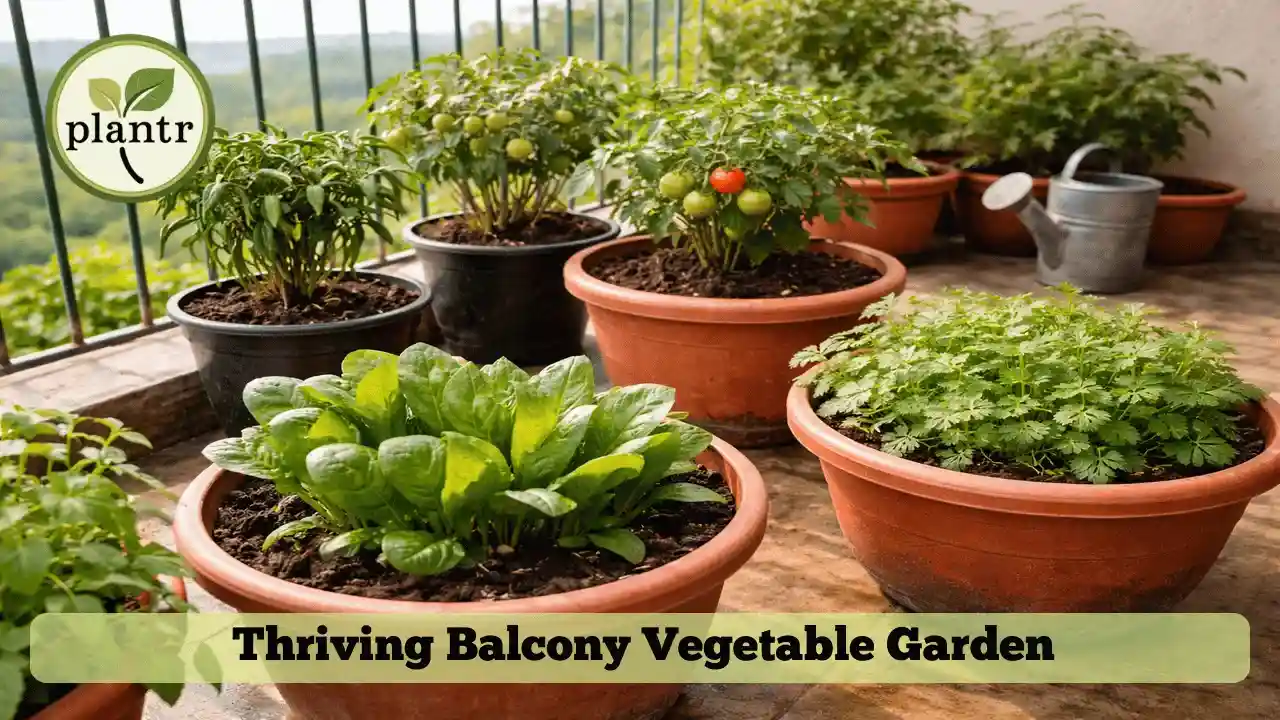
This combination generally works well for growing vegetables in containers like tomatoes, chillies, brinjal, spinach, and coriander.
Building the Right Foundation for Healthy Harvests
Finding the best soil mix for vegetable plants in pots doesn’t have to feel overwhelming. In most Indian home gardens, a simple and balanced blend of garden soil, compost, and cocopeat works consistently when paired with proper watering and regular care.
The key is to begin with a basic mix and observe how your plants respond. Small adjustments—like improving drainage or adding more compost—can make a noticeable difference over time.
Gardening isn’t about getting everything perfect on the first try. It’s about learning gradually, understanding your plants better each season, and enjoying the process along the way. Even when a batch doesn’t perform as expected, the experience helps you grow more confident for the next attempt.
In my own balcony garden, adjusting the soil mix slightly after one failed crop made the next set of vegetables grow stronger and more productive.
Improving Drainage in Potting Soil
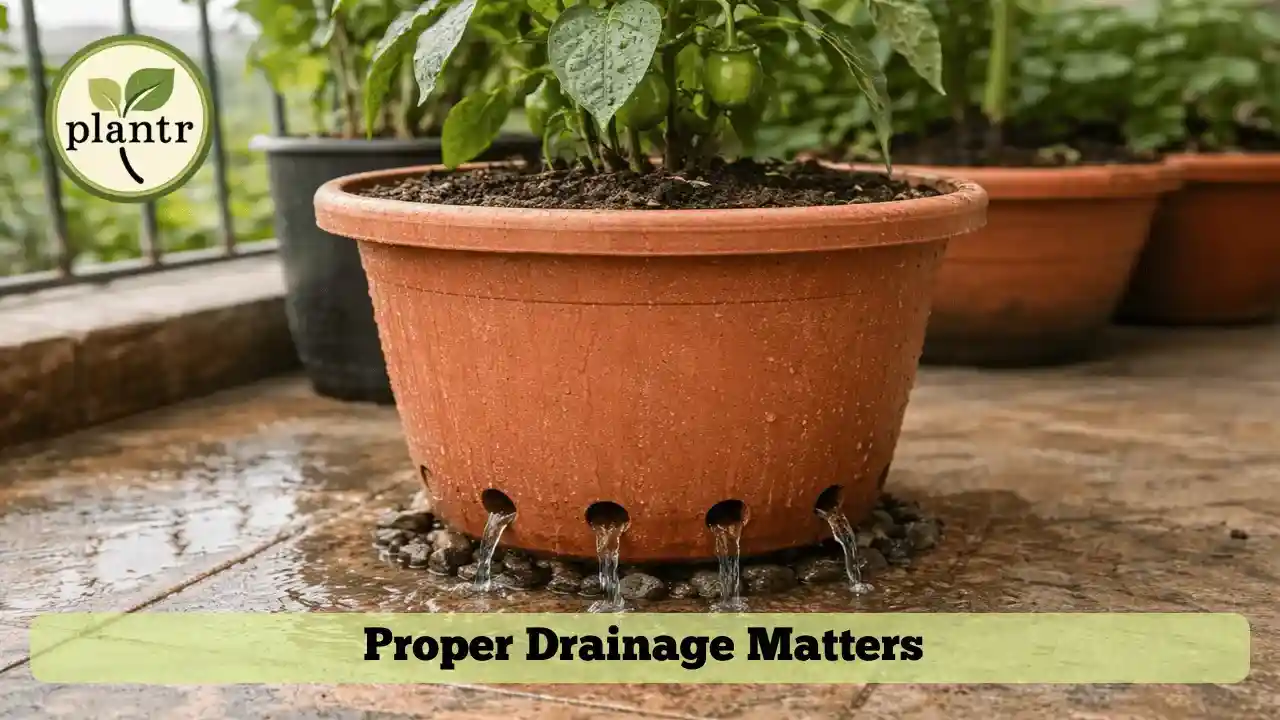
Good drainage for potted vegetable plants is very important. Without it, roots may rot.
Here are a few simple tips:
Always use pots with drainage holes.
Add a small layer of broken terracotta pieces at the bottom.
If your mix feels too heavy, add a handful of river sand or perlite.
In most home gardens, poor drainage is one of the main reasons plants stop growing properly.
Adjusting the Soil Mix for Different Vegetables
Not all vegetables behave the same way. Some are heavy feeders, while others are quite simple.
For Leafy Greens (Spinach, Methi, Coriander)
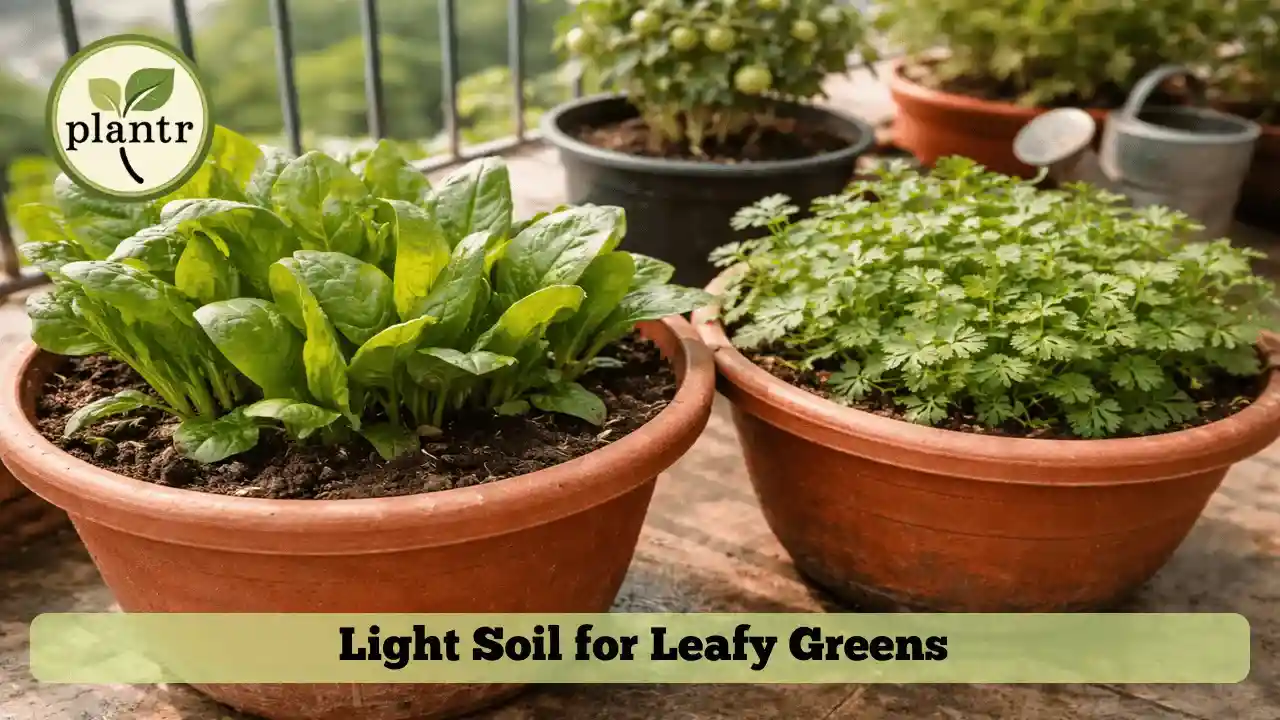
They prefer:
Light, airy soil
Slightly higher compost content
You can increase compost slightly for better leaf growth.
For Fruiting Vegetables (Tomato, Chilli, Brinjal)
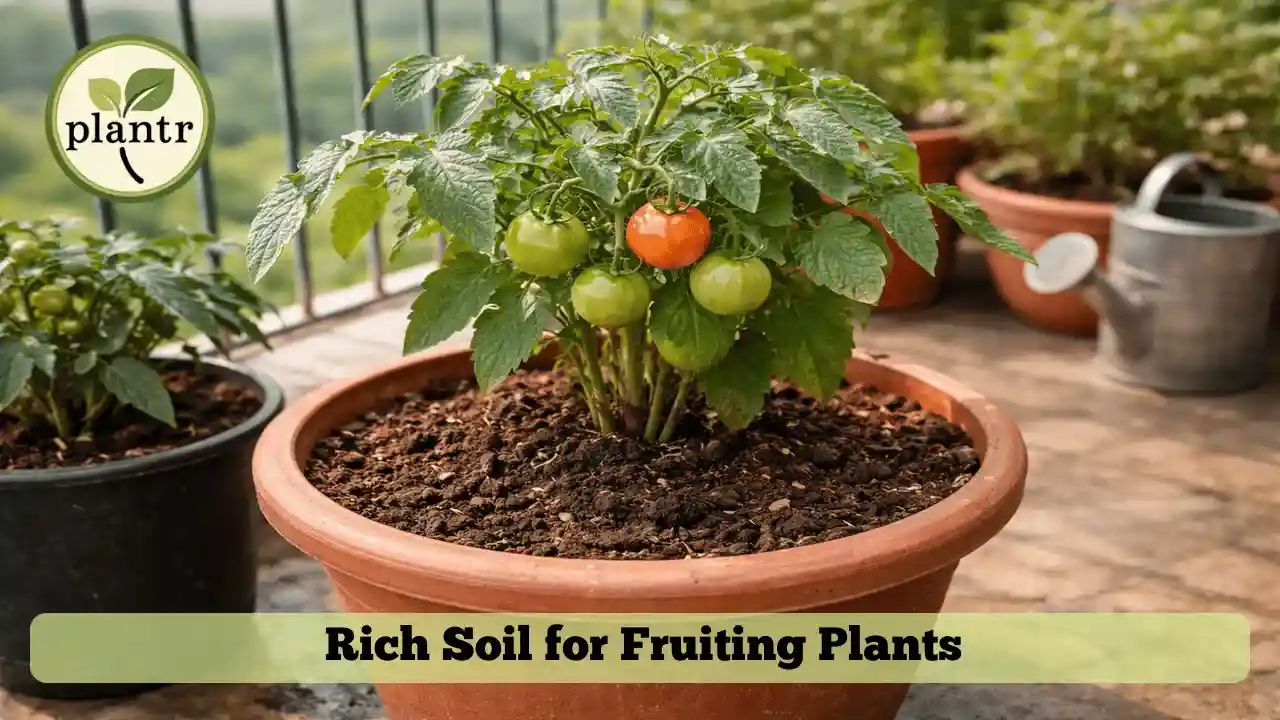
These plants need:
Rich soil
Consistent nutrition
In such cases, you may top-dress compost every 20–25 days. This supports healthy growth in your vegetable container gardening soil.
Best Soil Mix for Vegetable Plants in Pots During Indian Summers
Indian summers can dry out pots very quickly. If you live in a hot region, consider:
Adding extra cocopeat for moisture retention
Mulching the top with dry leaves
Watering early in the morning
A well-balanced homemade potting mix for vegetables helps plants handle heat better, although regular care is still necessary.
Common Beginner Mistakes in Soil Preparation
When I started, I made many of these mistakes myself. You can avoid them:
1. Using Too Much Compost
Too much compost can make the mix heavy and sometimes cause nutrient imbalance.
2. Ignoring Drainage Holes
Even the best soil mix won’t work if water cannot drain out.
3. Not Mixing Properly
Layering soil, compost, and cocopeat without mixing can create uneven moisture pockets.
4. Reusing Old Soil Without Refreshing
Old soil loses nutrients over time. Always mix fresh compost before reusing potting soil.
Can You Reuse Potting Soil?
Yes, generally you can.
Here’s what many home gardeners do:
Remove old roots.
Break up compacted soil.
Add fresh compost (20–30%).
Mix well before planting again.
This method works well for most soil for growing vegetables in pots, especially if the previous crop was healthy.
Should You Add Fertilizers to the Soil Mix?
If you are using good-quality compost, additional fertilizers are usually not required in the beginning.
After 3–4 weeks, you can:
Add compost as top dressing
Use liquid compost tea occasionally
Keeping things simple is often better, especially for beginners learning about the best potting soil for vegetables.
Signs Your Soil Mix Is Working Well
In most home gardens, a healthy soil mix shows these signs:
Plants stand upright
Leaves look fresh and green
Water drains within a few seconds
Soil feels soft, not sticky
If water stays on top for too long or soil becomes rock hard, it may be time to adjust your mix.
A Simple Routine for Maintaining Healthy Potting Soil
Soil is not something you prepare once and forget.
Try this basic routine:
Check soil texture every 2–3 weeks
Add compost monthly
Loosen the top layer gently
Avoid overwatering
With time, you will understand what works best in your space.
FAQs
A commonly used ratio is 40% garden soil, 30% compost, and 30% cocopeat. It provides a good balance of drainage and nutrients.
Cocopeat alone does not provide enough nutrients. It is better used as part of a balanced potting mix.
You don’t need to completely change it every time. Refreshing it with fresh compost is usually enough in most home gardens.
Yes, vermicompost is commonly used as a natural nutrient source in vegetable container gardening soil.
Building the Right Foundation for Healthy Harvests
Finding the best soil mix for vegetable plants in pots doesn’t have to feel overwhelming. In most Indian home gardens, a simple and balanced blend of garden soil, compost, and cocopeat works consistently when paired with proper watering and regular care.
The key is to begin with a basic mix and observe how your plants respond. Small adjustments—like improving drainage or adding more compost—can make a noticeable difference over time.
Gardening isn’t about getting everything perfect on the first try. It’s about learning gradually, understanding your plants better each season, and enjoying the process along the way. Even when a batch doesn’t perform as expected, the experience helps you grow more confident for the next attempt.
In my own balcony garden, adjusting the soil mix slightly after one failed crop made the next set of vegetables grow stronger and more productive.
