
Chemical vs Organic Fertilizers: Which Is Better for Plants?
Gardening often starts with simple excitement—bringing home a few pots, some soil, and young plants. Everything looks fine in the beginning, but after a few weeks, many home gardeners start wondering why plants are not growing as expected. Leaves may turn pale, flowering may reduce, or growth may slow down. That’s usually when the topic of fertilizers comes up.
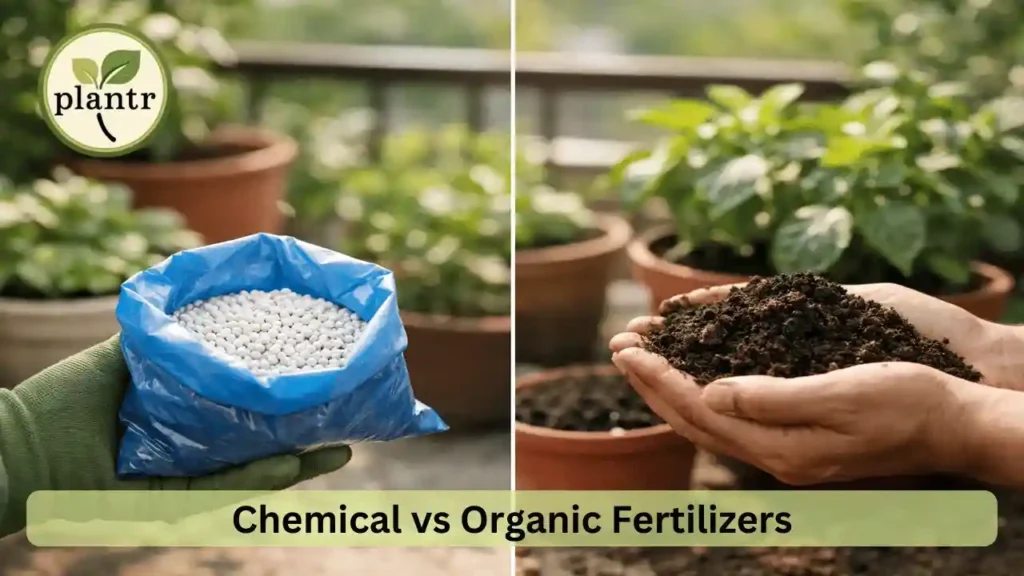
One common confusion in most home gardens is choosing between chemical vs organic fertilizers. Both are easily available, both promise plant nutrition, and both are widely used. But they work in very different ways, and understanding this difference makes gardening much easier and less stressful.
This article explains chemical and organic fertilizers in a simple, practical way—just like one gardener guiding another. No technical talk, no big claims, only what usually works in most home gardens.
Understanding Fertilizers in Home Gardening
Before comparing types, it helps to understand what fertilizers actually do.
Plants need nutrients like nitrogen, phosphorus, and potassium to grow. In natural soil, these nutrients come from decomposed leaves, compost, and microorganisms. But in pots and small garden spaces, nutrients get used up quickly.
That’s where fertilizers help—by replacing what the soil slowly loses over time.
What Are Chemical Fertilizers?
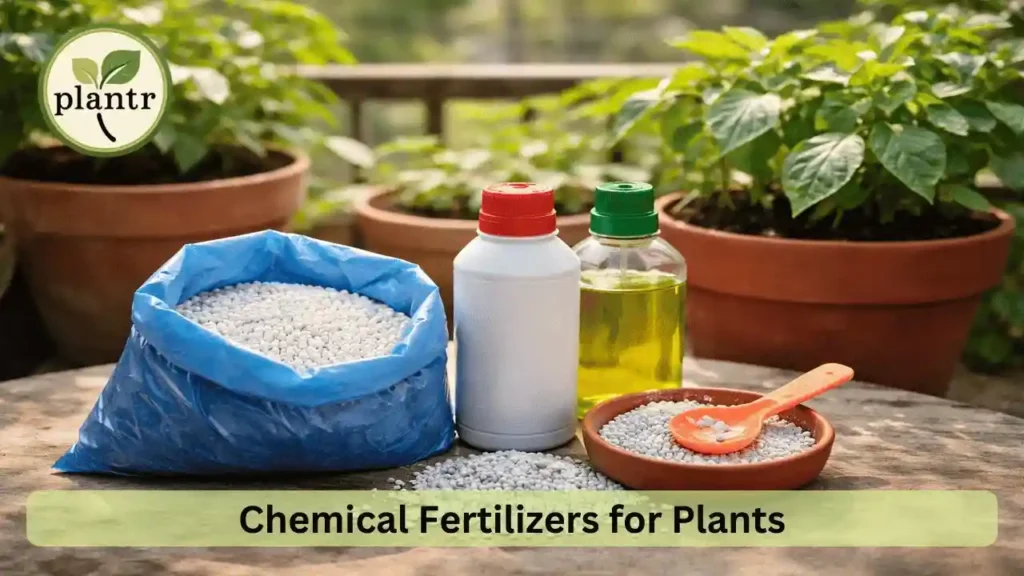
Chemical fertilizers are factory-made plant nutrients. They usually come in powder, granules, or liquid form and contain specific nutrients in fixed amounts.
In most home gardens, chemical fertilizers are commonly used because results appear faster.
How Chemical Fertilizers Work
Chemical fertilizers dissolve quickly in water. Once applied, plants can absorb nutrients almost immediately.
This is why gardeners often notice:
Faster leaf growth
Quick greening of plants
Rapid flowering in some cases
However, this speed also means nutrients don’t stay long in the soil.
Common Types of Chemical Fertilizers
In Indian home gardening, you may often see:
Urea-based fertilizers
NPK fertilizers (balanced or specific ratios)
Water-soluble fertilizers for flowering plants
These are usually applied in small doses and diluted with water.
What Are Organic Fertilizers?
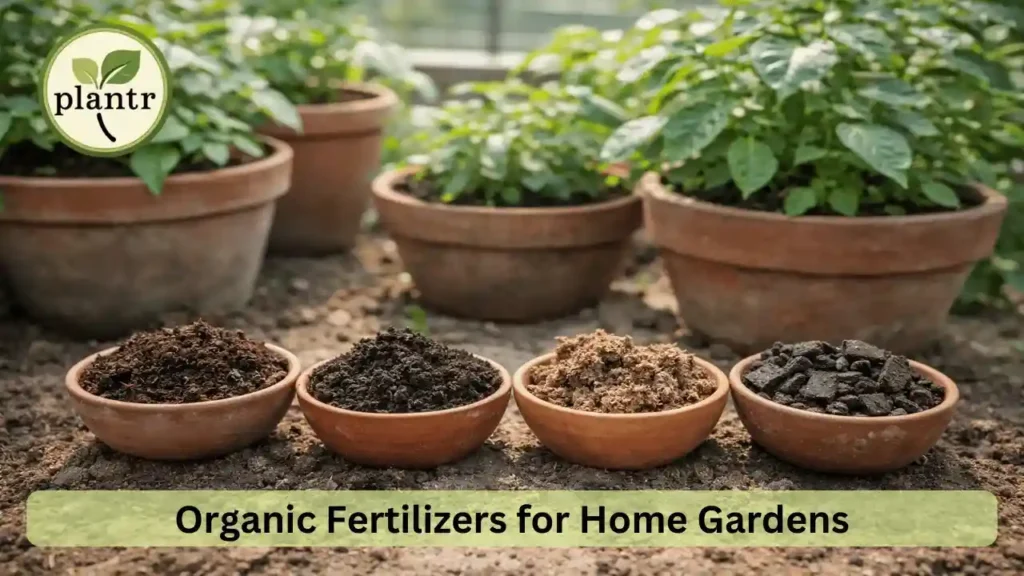
Organic fertilizers come from natural sources like plant waste, animal waste, or composted materials. They focus on improving soil health along with feeding plants.
In most home gardens, organic fertilizers work slowly but steadily.
How Organic Fertilizers Work
Organic fertilizers do not feed plants directly. Instead, they feed the soil. Microorganisms in the soil break them down slowly, releasing nutrients over time.
This gradual process helps:
Improve soil structure
Increase water-holding capacity
Support beneficial microbes
Growth may look slower at first, but plants often stay healthier in the long run.
Common Organic Fertilizers Used at Home
Some commonly used organic fertilizers include:
Compost or vermicompost
Cow dung manure (well-rotted)
Neem cake
Bone meal or oil cakes
These are easy to mix into potting soil or apply as top dressing.
Chemical vs Organic Fertilizers: Key Differences
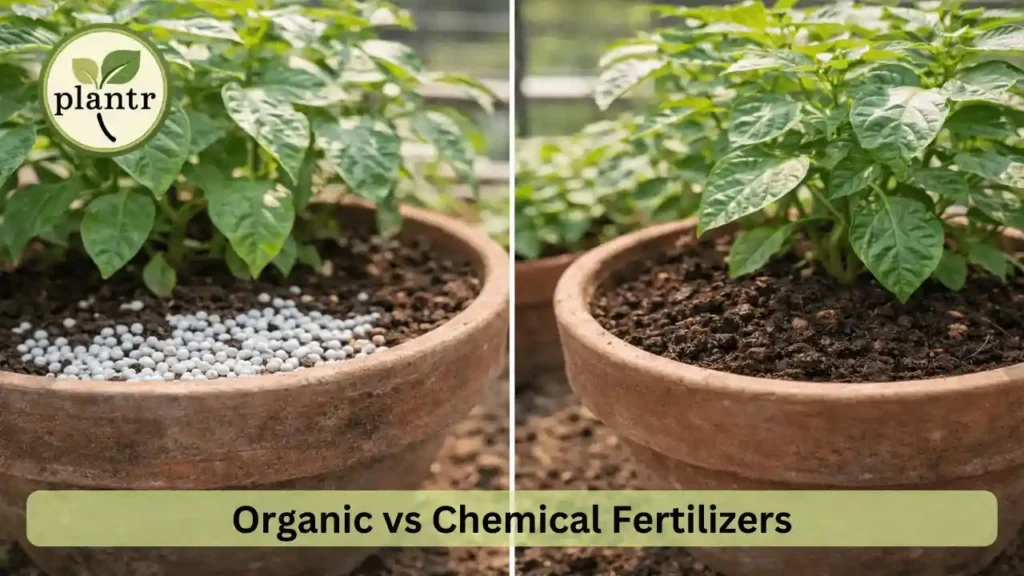
Understanding the difference between chemical and organic fertilizers becomes clearer when we compare how they behave in real gardening situations.
Speed of Results
Chemical fertilizers generally show results quickly.
Organic fertilizers work slowly and steadily over time.
In most home gardens, chemical fertilizers are used when plants look weak or pale, while organic fertilizers support long-term growth.
Impact on Soil Health
Chemical fertilizers do not improve soil quality. Overuse may make soil hard over time.
Organic fertilizers commonly improve soil texture and life.
Healthy soil often means fewer plant problems later.
Ease of Use
Chemical fertilizers are easy to measure and apply but need careful dosing.
Organic fertilizers are forgiving but may need patience.
Beginners sometimes prefer organic options because small mistakes are less harmful.
Risk of Overuse
Chemical fertilizers can burn roots if used incorrectly.
Organic fertilizers are generally safer for regular use.
This is one reason many home gardeners shift towards organic gardening practices.
Which Is Better for Plants in Home Gardens?
There is no single correct answer. In most home gardens, the choice depends on plant type, growing stage, and gardener preference.
When Chemical Fertilizers Are Commonly Used
Chemical fertilizers are often used:
For quick nutrient correction
During flowering or fruiting stages
When plants show clear nutrient deficiency
They are usually applied in controlled amounts and not too frequently.
When Organic Fertilizers Are More Suitable
Organic fertilizers are commonly preferred:
For daily home gardening
For leafy vegetables and herbs
For improving potting soil quality
They are ideal for gardeners who enjoy slow, steady growth.
Can You Use Both Together?
In many home gardens, gardeners use a balanced approach.
Using organic fertilizers as the base and chemical fertilizers occasionally can work well when done carefully.
A common practice is:
Regular compost or vermicompost every few weeks
Occasional liquid fertilizer during flowering
This combination supports both soil health and plant nutrition.
Practical Tips for Beginners
If you are just starting out, these tips may help:
Always use fertilizers in small quantities
Read instructions carefully before application
Water plants before applying any fertilizer
Observe plants for a few days after feeding
Plants often show signs if something is not working well.
Common Mistakes to Avoid
Many gardening problems come from small mistakes rather than fertilizer type.
Some common ones include:
Applying fertilizer to dry soil
Using chemical fertilizers too frequently
Mixing multiple fertilizers at the same time
Expecting instant results from organic fertilizers
Gardening improves with observation and patience.
Environmental and Safety Considerations
In most home gardens, organic fertilizers are considered more eco-friendly. They reduce chemical runoff and support natural soil life.
Chemical fertilizers, when overused, may affect nearby soil and water sources. That’s why moderation is important.
Using gloves, proper storage, and correct dilution helps maintain safety.
Final Thoughts: Making the Right Choice for Your Garden
The debate of chemical vs organic fertilizers does not need a strict winner. Both have their place in home gardening.
Chemical fertilizers provide quick nutrition when plants need an immediate boost. Organic fertilizers improve soil health and support long-term plant growth.
In most home gardens, a simple, balanced approach works best. Understanding your plants, watching how they respond, and adjusting slowly is more important than choosing sides.
Gardening is not about perfection—it’s about learning with each season and enjoying the process.