
Table of Contents
ToggleCommon Plant Pests Affecting Home Garden Plants
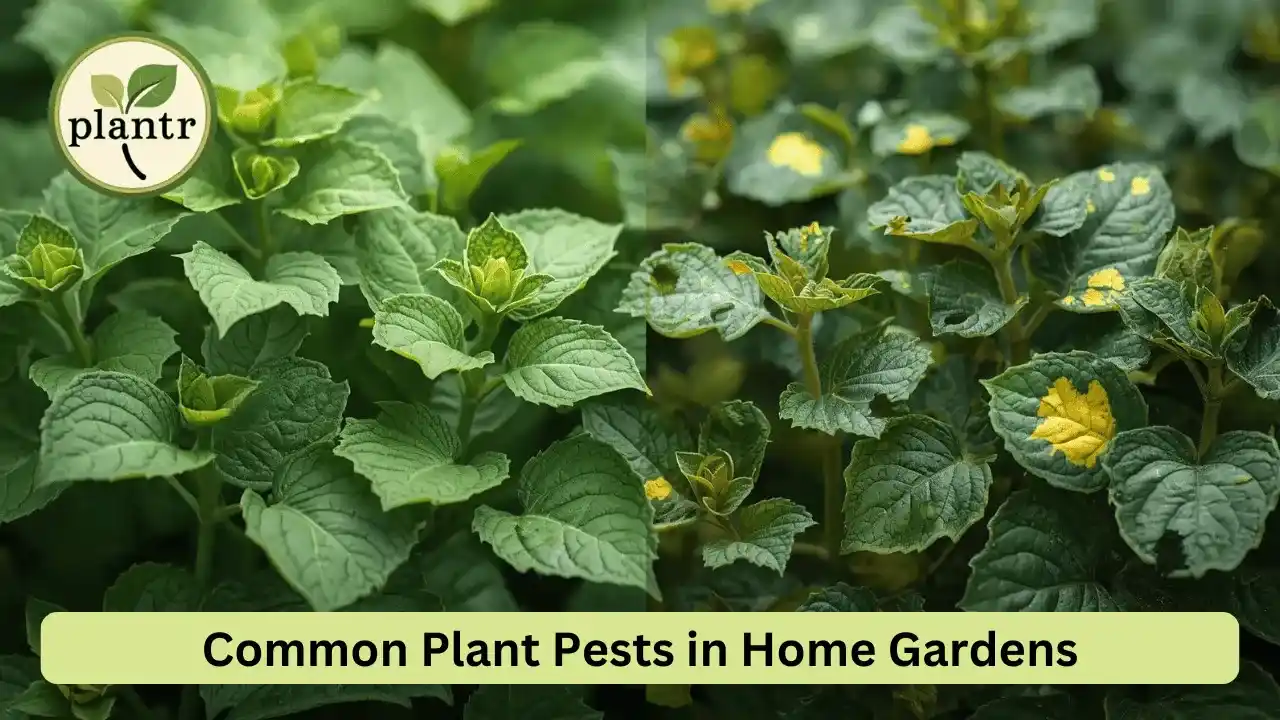
If you love plants, you’ve probably faced this situation: your plant was looking healthy a few days ago, and suddenly the leaves start curling, turning yellow, or developing tiny holes. Don’t worry—this is very common in most home gardens. Almost every gardener, especially beginners, deals with plant pests at some point.
When I first started gardening at home, I thought pests meant the plant was “ruined.” Over time, I learned that common plant pests are part of gardening, and in most cases, they can be managed naturally with a little patience and observation. You don’t need harsh chemicals or expensive products for a small home garden.
In this article, I’ll share the most common garden pests, how to identify them, and simple, natural ways to control them using things usually available at home.
Why Do Common Plant Pests Appear?
Plant pests usually appear when conditions suit them more than the plant. This can happen due to:
Overwatering or poor drainage
Weak or stressed plants
Too much humidity in indoor plants
Crowded plants with little air circulation
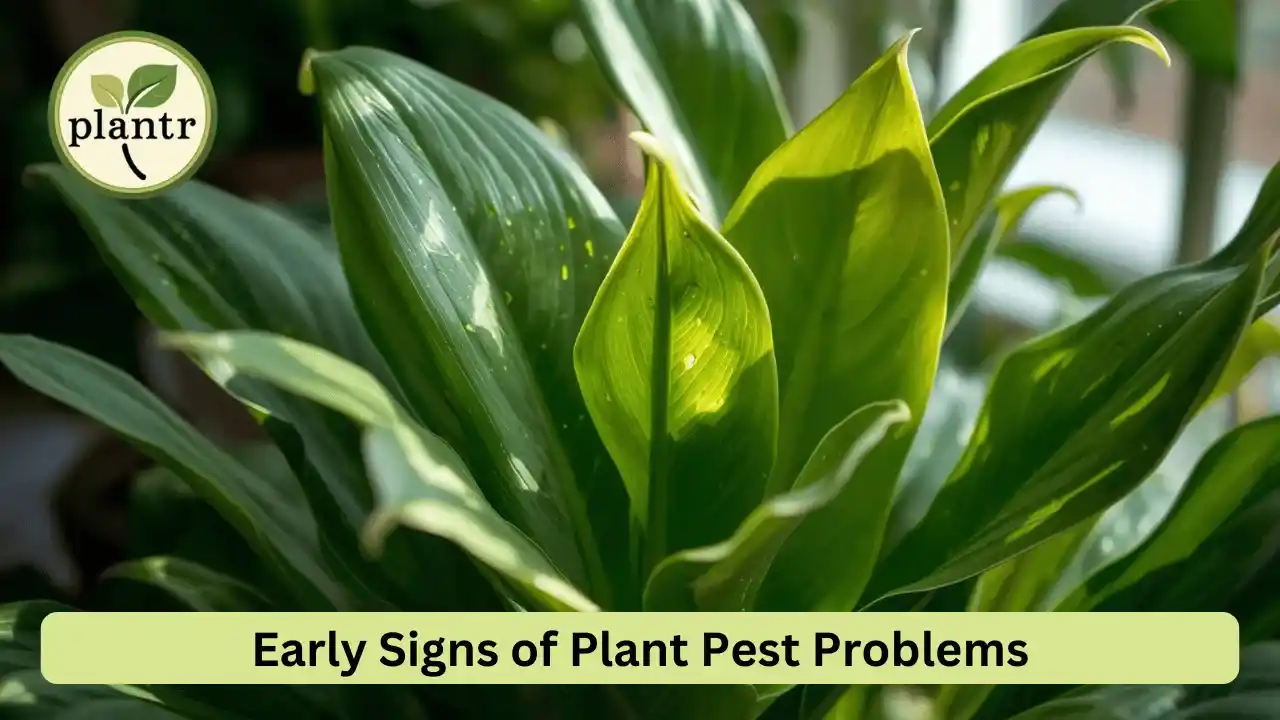
In most home gardens, pests don’t arrive overnight. They slowly increase when we miss early signs.
Common Plant Pests Found in Home Gardens
Below are some common plant pests that affect indoor plants, balcony plants, and vegetable gardens.
Aphids on Plants
Aphids are tiny green, black, or brown insects usually found on new growth and buds.
Common signs:
Curled or sticky leaves
Ants moving around plants
Weak-looking shoots
Natural control methods:
Spray plain water to wash them off
Use a mild soap water spray for plants
Neem oil for plant pests works well when used regularly
Aphids are one of the most common garden pests and are easier to control when caught early.
Mealybugs on Plants
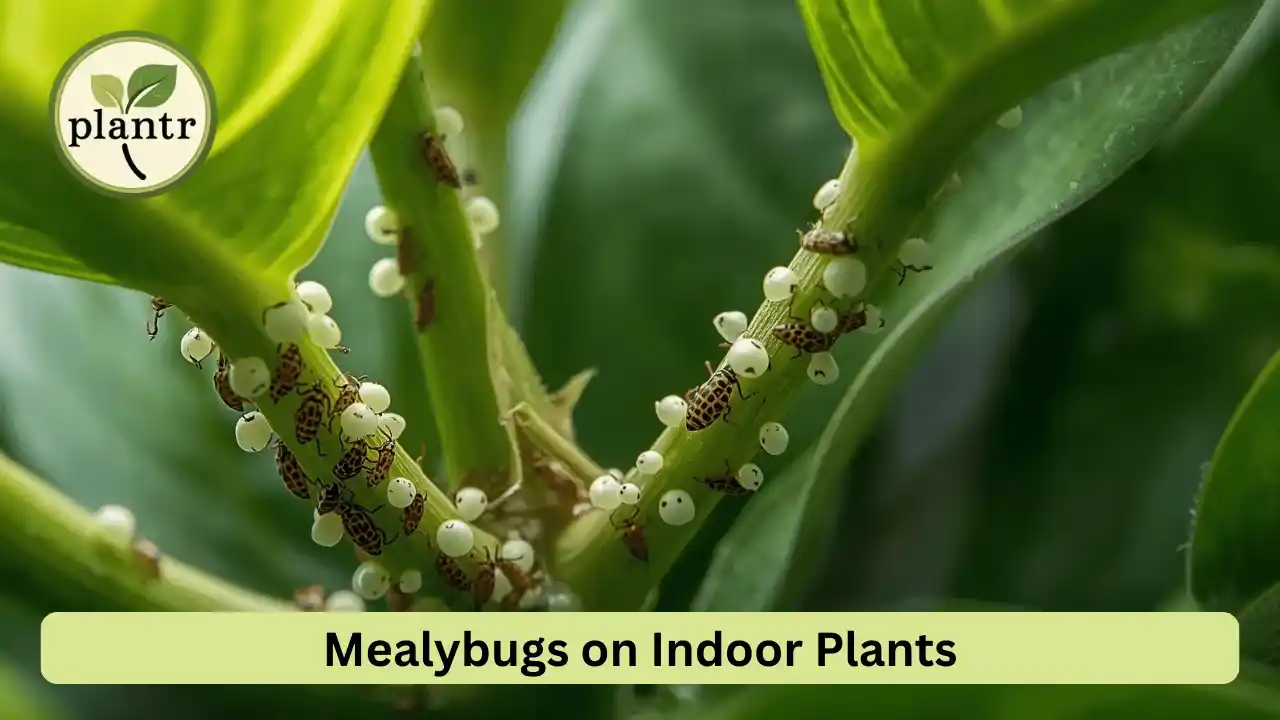
Mealybugs look like small white cotton patches, usually hiding in leaf joints.
Common signs:
White, fluffy clusters
Sticky residue on leaves
Slow plant growth
Home remedies:
Dab them gently with cotton dipped in diluted alcohol
Use neem oil spray every 7–10 days
Remove badly affected parts if needed
Mealybugs on plants spread quickly, so regular checking is important.
Spider Mites on Plants
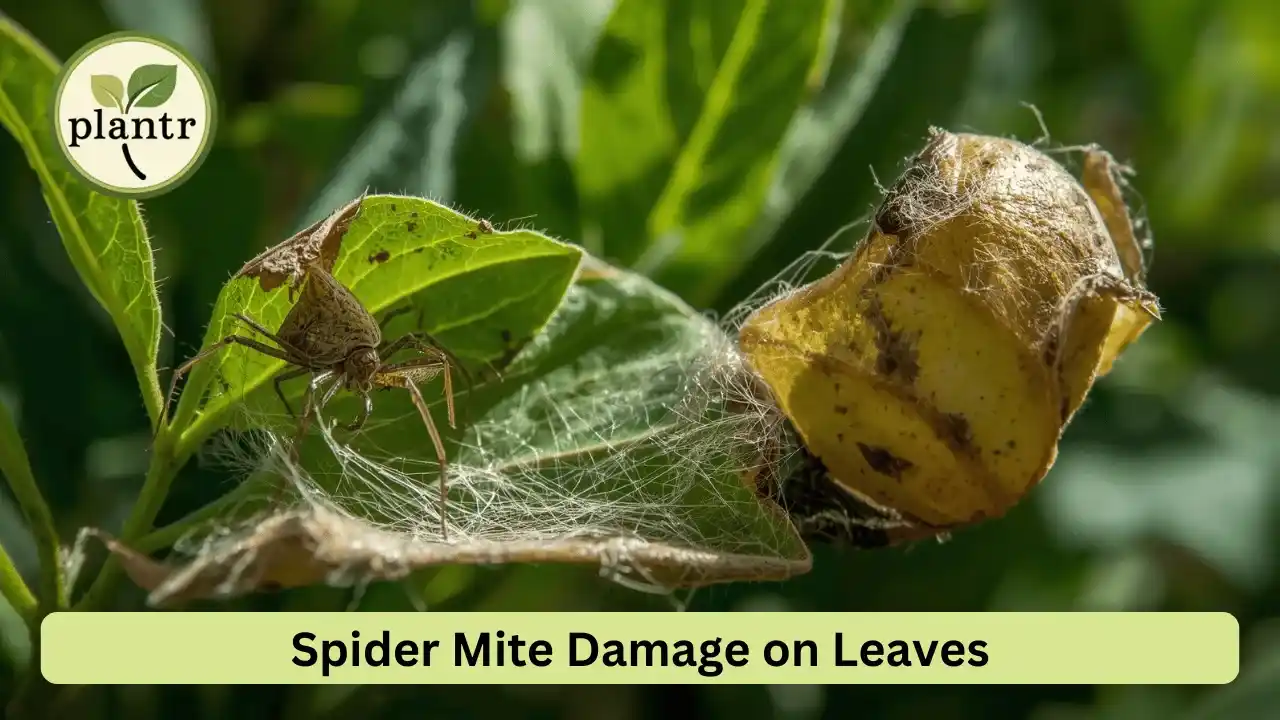
Spider mites are very tiny and often go unnoticed until damage becomes visible.
Common signs:
Fine webbing under leaves
Yellow or pale spots on leaves
Dry-looking plants
Natural treatment:
Increase humidity around the plant
Spray leaves (especially undersides) with water
Use a natural pesticide for plants at home like neem oil
Spider mites on plants are common in hot and dry conditions.
Whiteflies on Plants
Whiteflies are small white insects that fly up when you touch the plant.
Common signs:
Yellowing leaves
Sticky surfaces
Poor plant health
Organic control methods:
Yellow sticky traps
Neem oil spray
Soap water spray used gently
Whiteflies on plants usually attack vegetable plants and flowering plants.
Caterpillars on Plants
Caterpillars are easy to spot and usually cause visible damage.
Common signs:
Holes in leaves
Chewed edges
Droppings on soil
Organic control:
Hand-pick and remove
Protect plants using natural barriers
Use organic ways to control garden pests like neem-based sprays
Caterpillars on plants are common during the growing season.
Fungus Gnats (Mostly Indoor Plants)
These are small flying insects often seen near soil.
Common signs:
Tiny flies around pots
Overly moist soil
Natural solutions:
Reduce watering
Let topsoil dry between watering
Use sand or cocopeat on the top layer
They are common pests on indoor plants and usually indicate overwatering.
Natural Remedies for Plant Insects That Actually Help
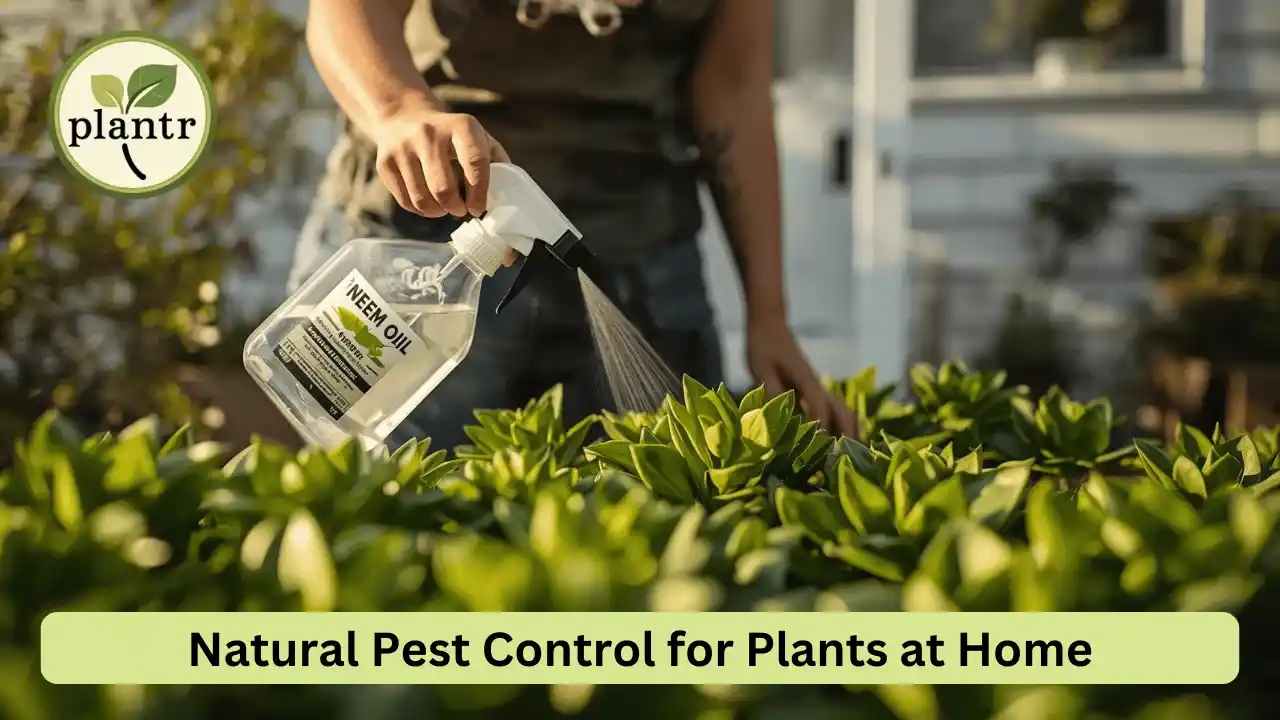
Here are some commonly used natural remedies for plant insects in Indian home gardens:
Neem oil spray: Widely used and gentle on plants
Soap water spray: Mild solution helps control soft-bodied insects
Garlic or chilli water: Acts as a natural repellent
Manual removal: Best for early-stage pest problems
These are simple home remedies for plant pests and are generally safe when used in moderation.
How to Prevent Common Plant Pests Naturally
Prevention is easier than treatment. In most home gardens, small habits make a big difference.
Avoid overwatering plants
Keep plants clean and dust-free
Ensure proper sunlight and airflow
Check the underside of leaves regularly
Quarantine new plants for a few days
Healthy plants are less likely to suffer from pests affecting plants.
Common Beginner Mistakes to Avoid
Many beginners unknowingly make mistakes that worsen pest problems:
Using strong sprays too often
Ignoring early signs
Mixing multiple remedies at once
Treating without identifying the pest
Always identify the pest first. Garden pests identification is an important step before treatment.
Pests on Vegetable Plants vs Indoor Plants
Pests on vegetable plants control usually needs more frequent checks
Pests on indoor plants treatment focuses more on humidity and cleanliness
Each plant environment needs slightly different care.
When to Be Patient
Natural pest control for plants works gradually. Results are not instant, and that’s normal. In most cases, consistency matters more than strong treatment.
FAQs
Pests often show up when conditions become favorable for them — such as warm weather, excess moisture, or poor air circulation. Even healthy plants can attract insects if nearby plants are already infected. Regular inspection of leaves (especially the underside) helps you catch problems early before they spread.
It’s a good habit to inspect your plants at least once or twice a week. Early signs like tiny holes, sticky residue, curling leaves, or fine webbing can indicate pest activity. The sooner you identify the issue, the easier it is to control naturally without heavy treatments.
Yes, overwatering can create the perfect environment for certain pests like fungus gnats and root-feeding insects. Constantly wet soil weakens plant roots and makes them more vulnerable. Allowing the top layer of soil to dry slightly between waterings can reduce pest attraction.
Start with the simplest method — manually remove visible insects or wash them off with a gentle stream of water. Prune heavily affected leaves and isolate the plant if possible. Natural solutions like neem oil or insecticidal soap can be used if the problem continues.
Handling Garden Pests with Calm and Care
Facing common plant pests is simply a part of the gardening journey. Even experienced gardeners deal with insects and minor infestations from time to time. What truly makes the difference is consistent observation, gentle natural solutions, and patience instead of panic.
You don’t have to remove a plant at the first sign of trouble. In most cases, simple organic pest control methods and regular care are enough to help plants recover and continue growing strong and healthy.
Gardening teaches resilience. Each pest issue offers a chance to understand your plants more deeply, helping you respond with confidence rather than worry in the future.
I still remember noticing tiny aphids on my rose plant and choosing to rinse the leaves daily while applying a mild neem solution—within a few weeks, the plant recovered fully and bloomed again.