
Table of Contents
ToggleCommon Soil Mistakes That Kill Plants
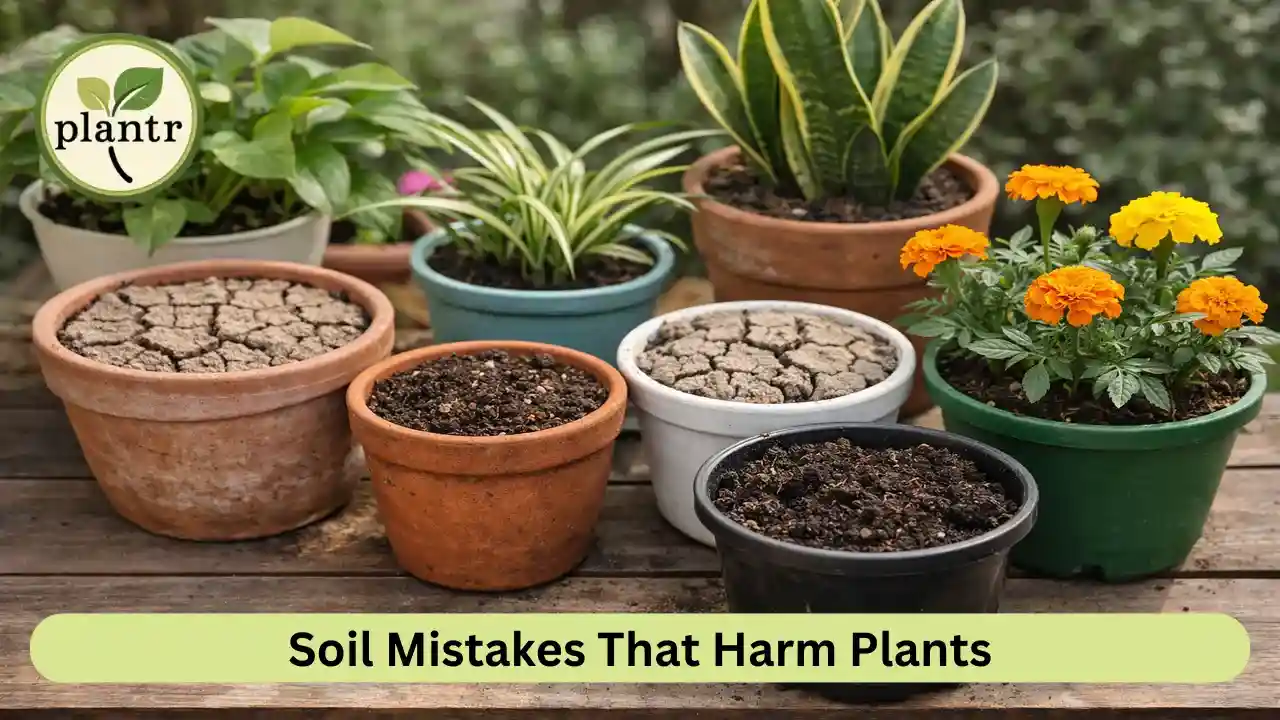
If you have ever brought home a healthy plant and watched it slowly lose its shine, you are definitely not alone. Many beginners focus on watering, sunlight, and fertilizers, but often forget one very important thing — the soil. In most home gardens, soil plays the biggest role in plant health, yet it is usually ignored until problems start appearing.
Understanding Common Soil Mistakes That Kill Plants can help beginners avoid unnecessary frustration. The good thing is that most soil-related problems are easy to correct once you know what to look for. Let’s talk about some mistakes that are very common in Indian home gardens and how you can handle them.
Using Garden Soil Directly in Pots
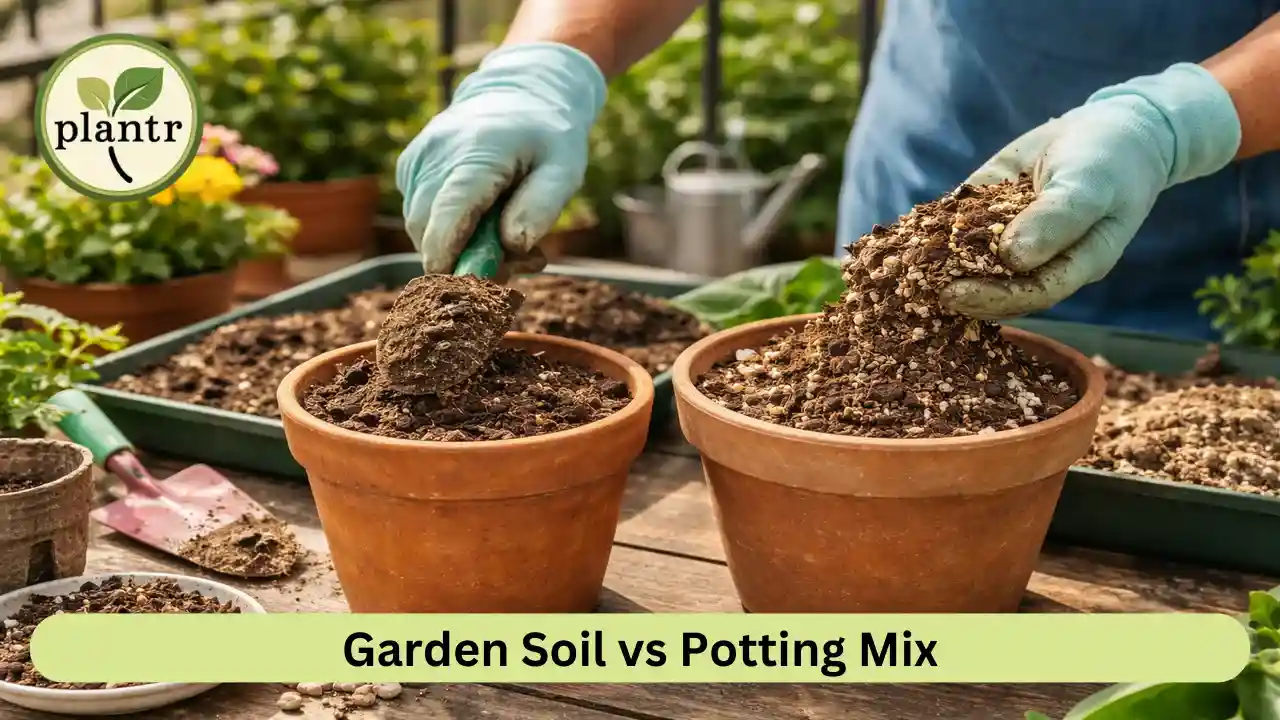
One of the most common mistakes beginners make is filling pots with soil taken directly from the garden or roadside. It may look natural and rich, but it usually creates problems in container gardening.
Garden soil tends to be heavy and compact. When used in pots, it:
Blocks proper air circulation
Holds excess water
Makes root growth difficult
In most home gardens, potted plants need well-draining soil for plants. A good potting mix usually contains ingredients like coco peat, compost, and sand. These help keep the soil light and allow roots to grow comfortably.
Poor Soil Drainage Problems
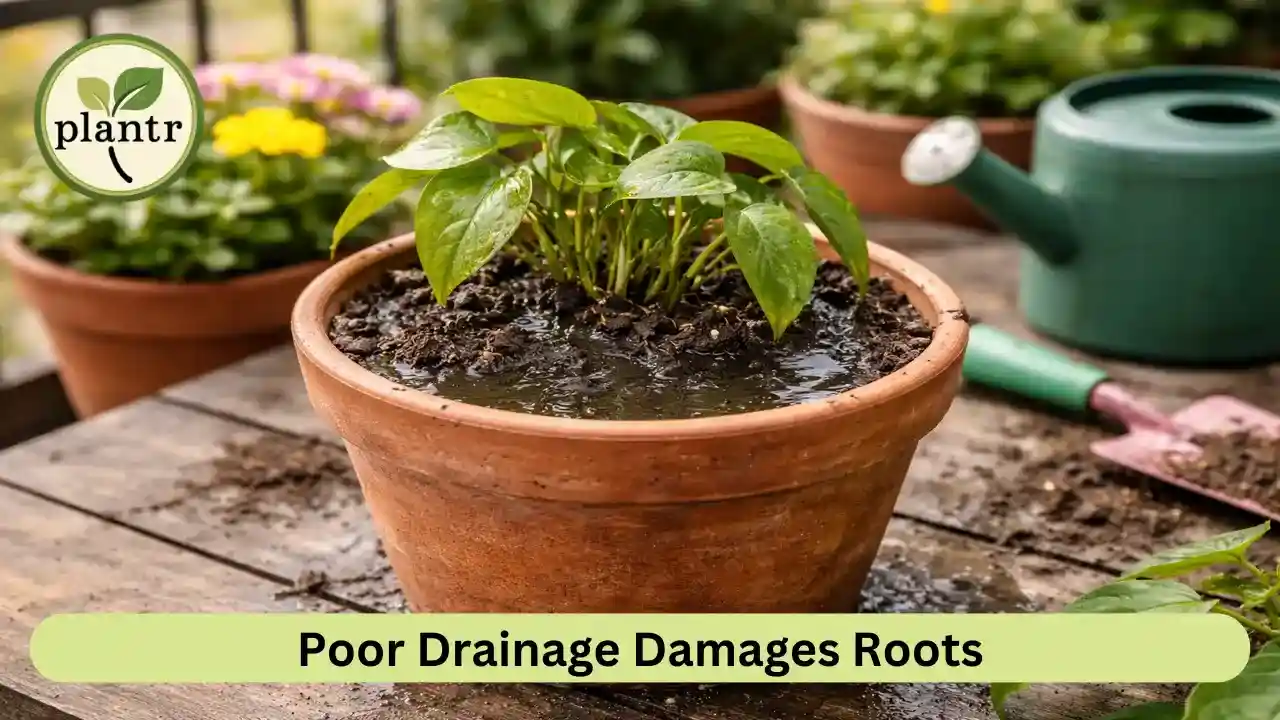
Why Water Stagnation Damages Roots
Poor drainage is another major reason plants struggle to survive. When water stays trapped inside the soil, roots do not get enough oxygen. Over time, this leads to root rot, which is one of the biggest causes of plant failure.
Signs of soil drainage problems include:
Water staying on the surface for too long
Soil smelling unpleasant
Yellowing leaves despite regular watering
To avoid this issue, always ensure pots have drainage holes. Also, mixing coarse sand or perlite into the soil can generally improve drainage.
Ignoring Soil Compaction in Plants
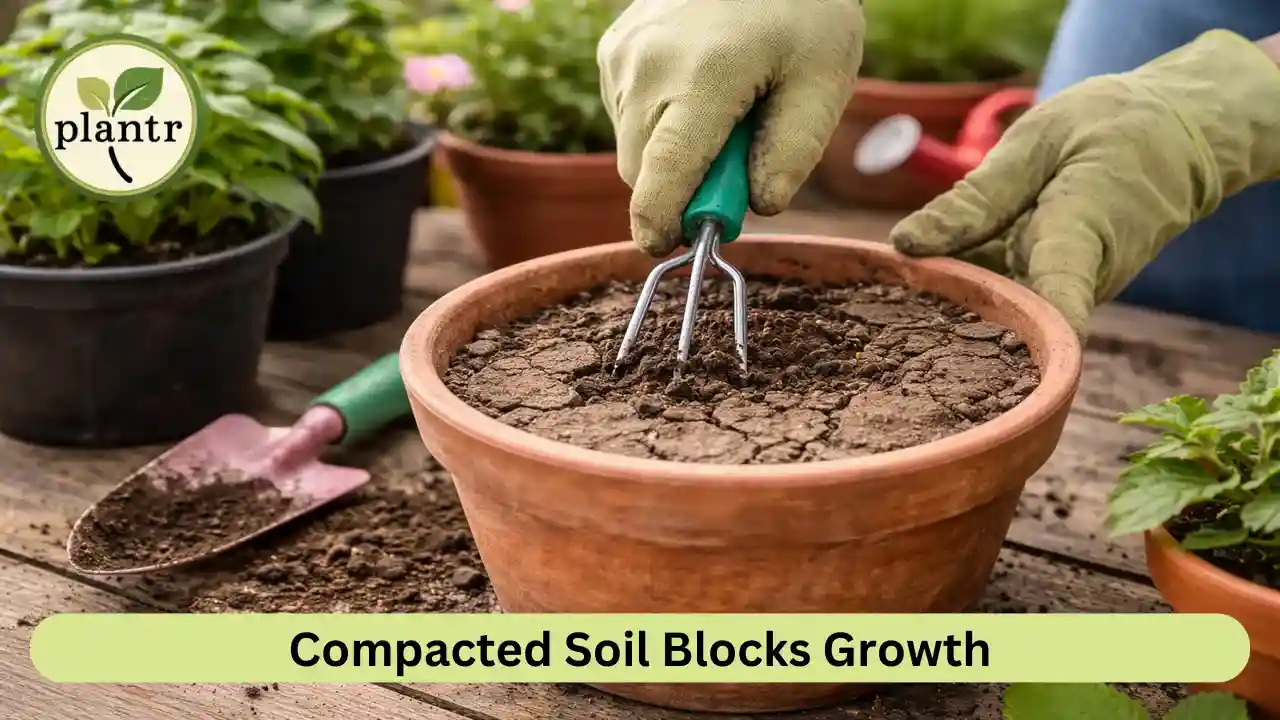
How Hard Soil Affects Plant Growth
Over time, soil inside pots can become tight and hard. This is known as soil compaction in plants, and it restricts root development.
Compacted soil usually:
Prevents water from reaching roots evenly
Reduces air movement in the soil
Slows plant growth
In most home gardens, soil compaction happens when pots are not repotted for years. Loosening the top layer of soil occasionally or repotting plants every 12–18 months commonly helps maintain healthy root systems.
Overusing Chemical Fertilizers
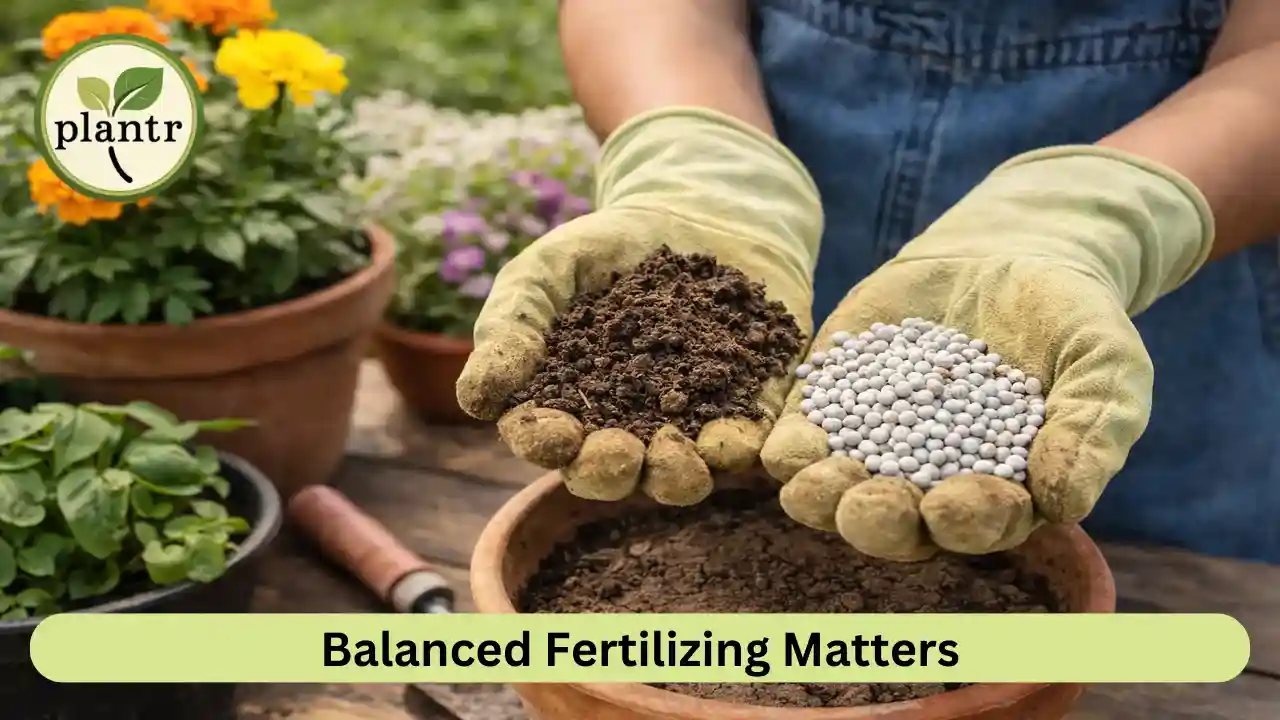
Many beginners believe that adding more fertilizer will make plants grow faster. However, excessive fertilizer can damage soil quality.
Using too many chemical fertilizers can:
Increase salt buildup in soil
Burn plant roots
Disturb beneficial microorganisms
Instead, it is generally safer to balance fertilizers with organic options like compost or vermicompost. This supports healthy soil for potted plants and maintains natural fertility.
Using the Same Soil for Every Plant
Not all plants grow well in the same soil type. This is a mistake commonly seen in home gardening. For example:
Succulents need loose, sandy soil
Flowering plants often prefer nutrient-rich soil
Herbs usually grow better in light, well-drained soil
Understanding best soil mix for indoor plants or outdoor plants helps improve growth. Always check the plant’s natural growing condition before preparing soil.
Ignoring Soil pH Balance
Why Soil pH Matters for Plant Health
Many gardeners do not think about soil pH, but it plays an important role in nutrient absorption. If the pH is too high or too low, plants may struggle to absorb nutrients even if they are present in the soil.
Common signs of pH imbalance include:
Slow or uneven plant growth
Leaves changing colour unexpectedly
Reduced flowering or fruiting
In most home gardens, mixing organic compost usually helps maintain a balanced pH naturally.
Reusing Old Soil Without Treatment
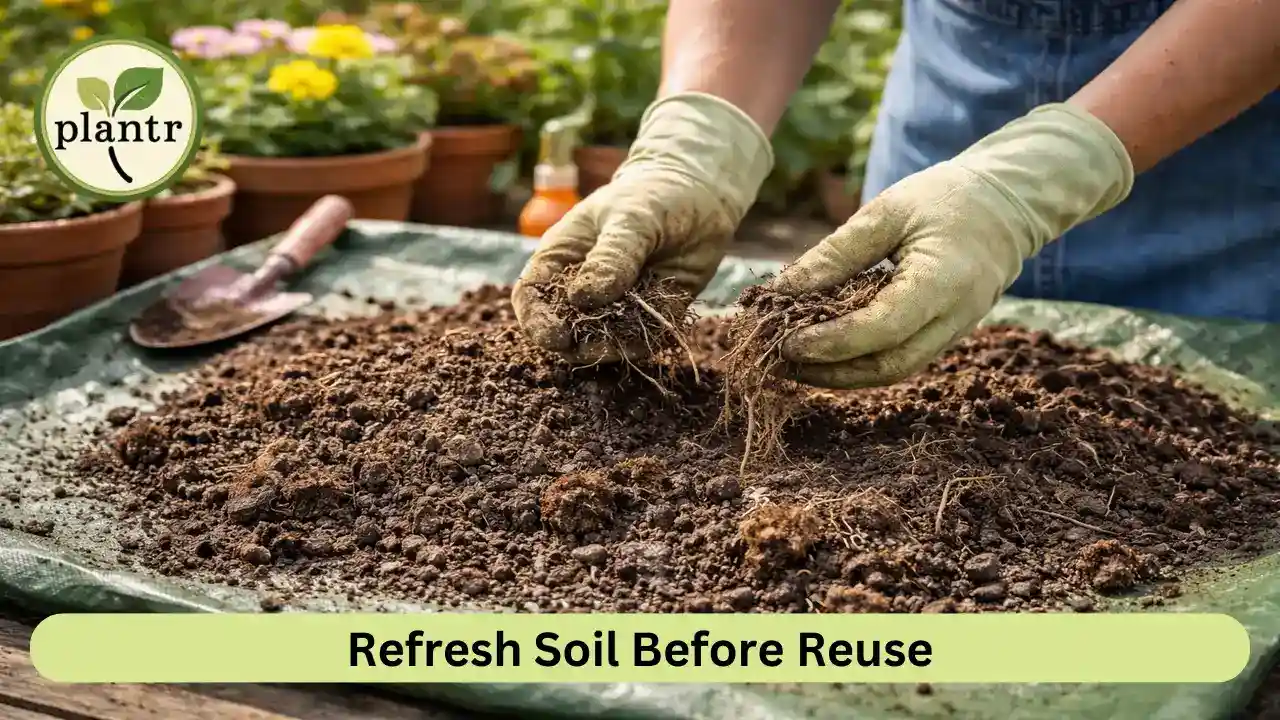
Reusing soil from old pots is very common, especially in home gardening. While it is not always harmful, untreated soil can carry pests, fungi, or nutrient deficiencies.
If you plan to reuse soil:
Remove old roots and plant debris
Mix fresh compost into the soil
Dry the soil under sunlight before reuse
This simple process generally helps prevent soil preparation mistakes for gardening and keeps the soil healthier.
Overwatering Due to Wrong Soil Choice
Sometimes, the problem is not watering habits but soil type. Heavy soil holds too much water, which often leads to overwatering plants due to soil even when watering is moderate.
In most home gardens, choosing loose and breathable soil reduces the chances of waterlogging. Adding coco peat or sand usually helps improve water balance.
Ignoring Organic Matter in Soil
Plants depend heavily on organic matter for steady nutrition. Soil without compost or natural organic materials often becomes lifeless and dry over time.
Adding organic matter:
Improves soil structure
Supports beneficial microbes
Helps retain moisture naturally
Maintaining proper organic content is an important step toward improving soil quality for plants.
Not Refreshing Soil in Long-Term Pots
Many gardeners keep plants in the same soil for years. Over time, nutrients get depleted, and soil structure weakens. Even if the plant survives, growth may slow down.
Generally, refreshing soil by adding compost or partially replacing old soil once a year helps plants stay healthier in the long run.
FAQs
If plants show slow growth, yellow leaves, foul-smelling soil, or poor drainage, the soil quality may need improvement.
In most home gardens, refreshing or partially replacing soil once every 12–18 months is commonly recommended.
Garden soil is usually too heavy for indoor plants. It is generally better to use a light potting mix with compost and coco peat.
Adding organic compost is one of the simplest and most commonly used methods to improve soil fertility and structure.
Healthy Soil, Healthier Plants
Understanding common soil mistakes that kill plants can save both time and effort in gardening. Soil is often called the foundation of plant life, and when it is ignored, plants usually show signs of stress very quickly.
In most home gardens, simple practices like using well-draining soil, avoiding compaction, adding organic matter, and refreshing old soil can make a noticeable difference. Gardening is a learning process, and small corrections in soil care often help plants grow more naturally and comfortably.
With a little attention to soil quality, beginners can avoid many common plant problems and enjoy healthier greenery at home.
In my own garden, I noticed that once I started loosening the soil regularly and mixing compost every few weeks, my plants began growing stronger without needing extra fertilizers.