
Table of Contents
ToggleHow Often Should You Fertilize Plants?
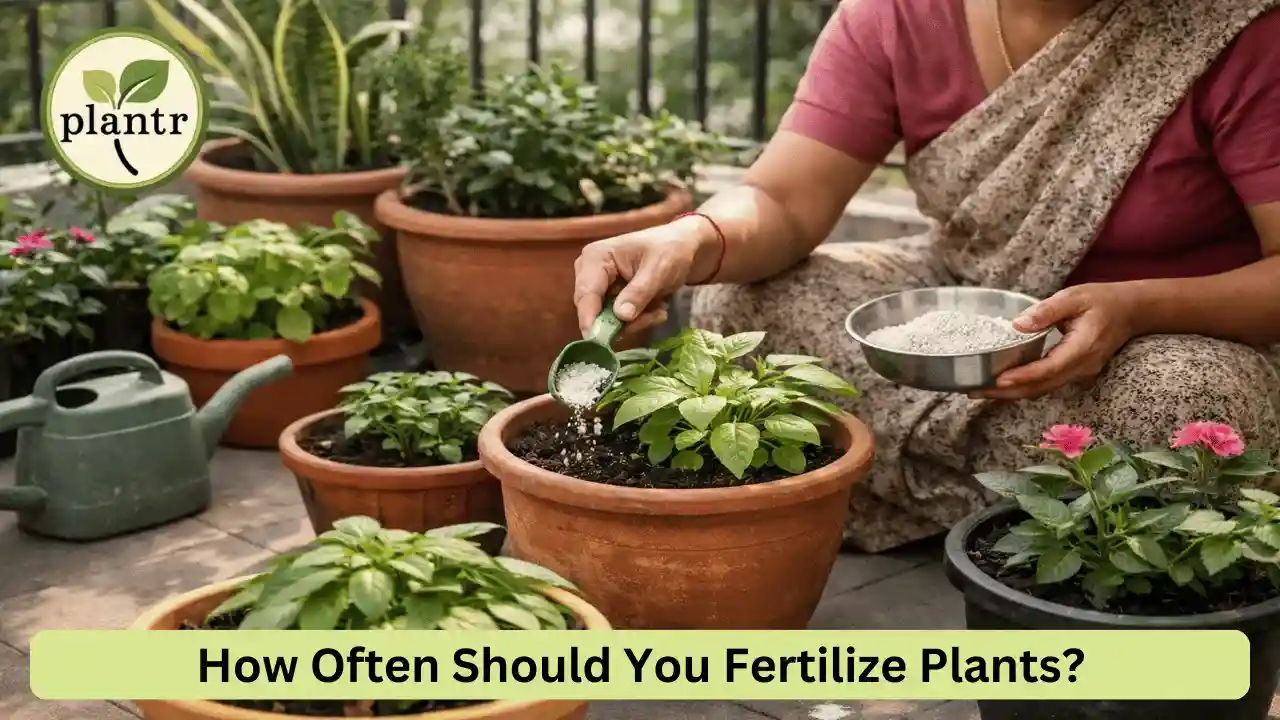
If you are new to gardening, one question almost everyone asks at some point is how often should you fertilize plants? I remember asking the same thing when I started growing plants on my balcony. Some people said “every week,” others said “once a month,” and a few warned me not to fertilize too much at all. It can get confusing very quickly.
The truth is, there is no single rule that works for every plant and every home garden. Fertilizing depends on many small factors like the type of plant, the season, the soil, and even the pot size. Once you understand these basics, feeding plants becomes much easier and safer.
In this article, I’ll explain everything in simple words, just like a home gardener guiding another beginner. No technical talk, no exaggeration—only practical experience that works in most Indian home gardens.
Why Fertilizing Plants Is Important
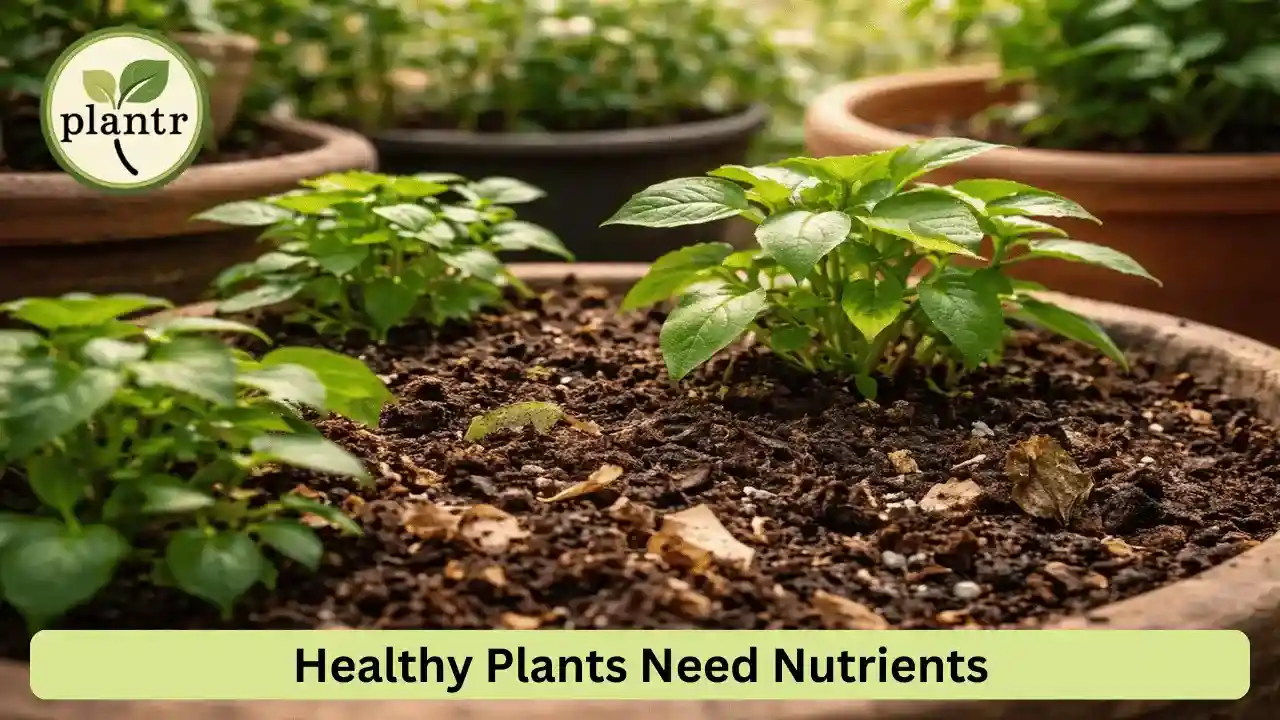
Plants get nutrients from soil, but over time, those nutrients slowly get used up. This is especially true for potted plants, where soil quantity is limited.
Fertilizers help by providing essential nutrients like nitrogen, phosphorus, and potassium, which support:
Healthy leaf growth
Better flowering and fruiting
Strong roots
Overall plant health
However, more fertilizer does not mean faster or better growth. In fact, overfeeding is one of the most common beginner mistakes.
How Often Should You Fertilize Plants in Home Gardens?
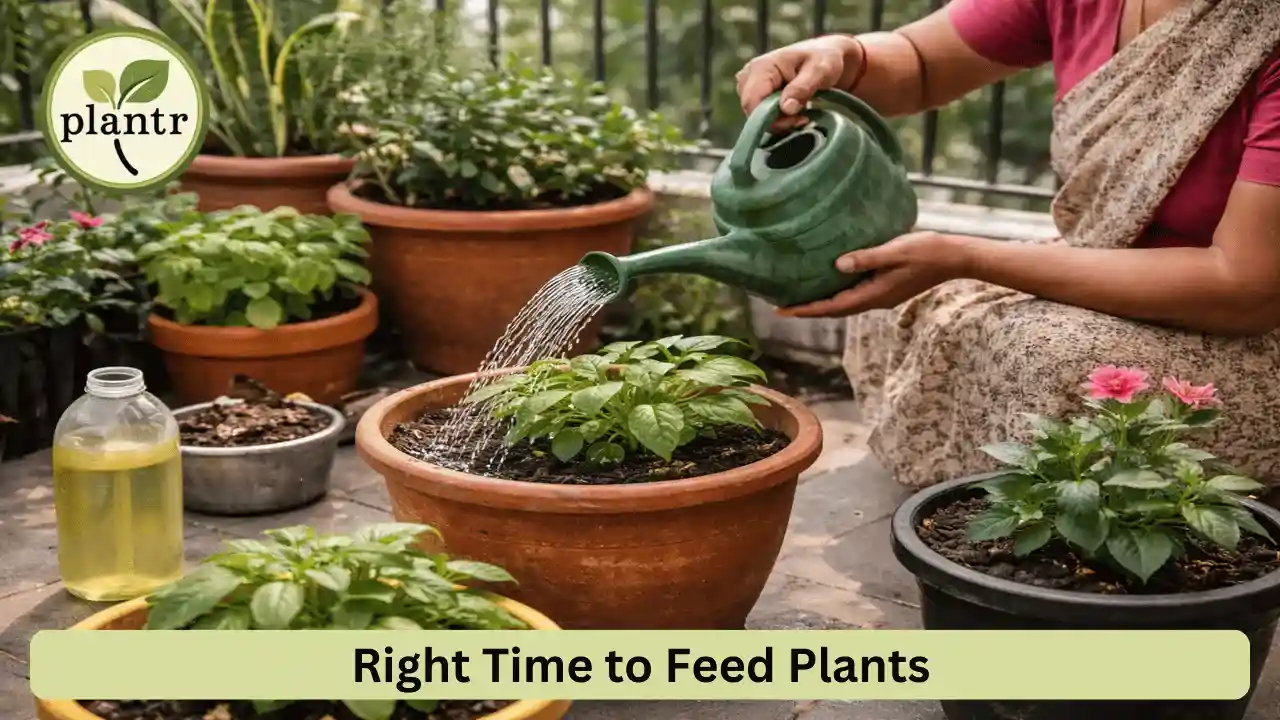
So, how often should you fertilize plants? In most home gardens, fertilizing once every 15–30 days works well for many plants.
That said, this is a general guideline. Some plants need more frequent feeding, while others are happy with very little.
As a basic rule:
Fast-growing plants usually need more nutrients
Slow-growing plants need less
Plants in pots need fertilizer more often than plants in ground soil
Factors That Decide Fertilizer Frequency
1. Type of Plant
Different plants have different feeding needs.
Flowering plants commonly need fertilizer every 15–20 days during blooming season
Vegetable plants usually require feeding every 10–15 days for steady growth
Indoor plants often need fertilizer only once a month
Succulents and cacti need very little, sometimes once in 2–3 months
Always observe your plant before deciding.
2. Season Matters a Lot
Season plays a big role in deciding how often should you fertilize plants.
Summer and monsoon: Plants grow actively, so fertilizing is usually needed more often
Winter: Growth slows down, so reduce fertilizer frequency
Extreme heat or cold: It’s better to avoid fertilizing during plant stress
In most Indian climates, plants respond best to feeding during mild weather.
3. Soil Quality and Pot Size
Good soil with compost already contains nutrients. Poor or old soil gets exhausted quickly.
Small pots need fertilizer more often
Large pots hold nutrients for a longer time
Fresh potting mix needs less fertilizer initially
If you recently repotted with compost-rich soil, wait at least 3–4 weeks before fertilizing again.
Organic vs Chemical Fertilizers: Does Frequency Change?
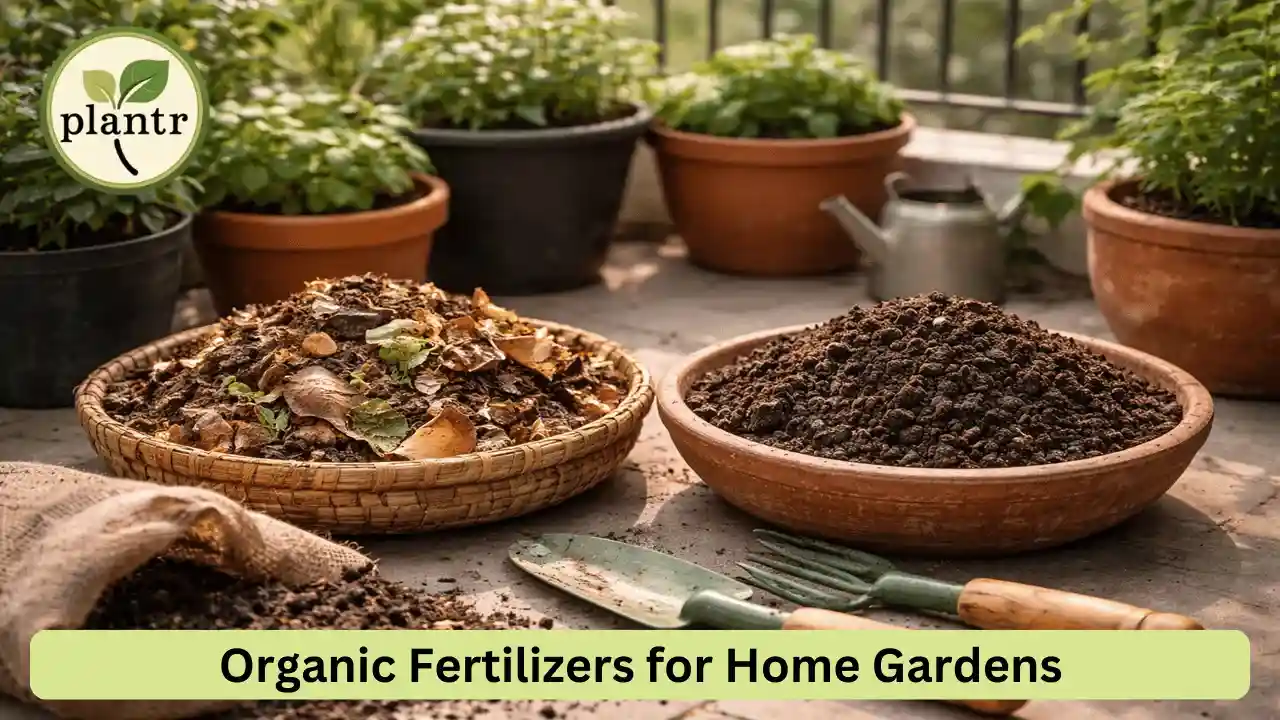
Organic Fertilizers
Organic fertilizers release nutrients slowly.
Common examples:
Vermicompost
Cow dung compost
Homemade compost
These are usually applied every 20–30 days and are gentler on plants.
Chemical Fertilizers
Chemical fertilizers act faster and are stronger.
They are commonly used every 10–20 days
Overuse can damage roots and soil
Always dilute properly
For beginners, organic fertilizers are generally safer and easier to manage.
Signs Your Plants Need Fertilizer
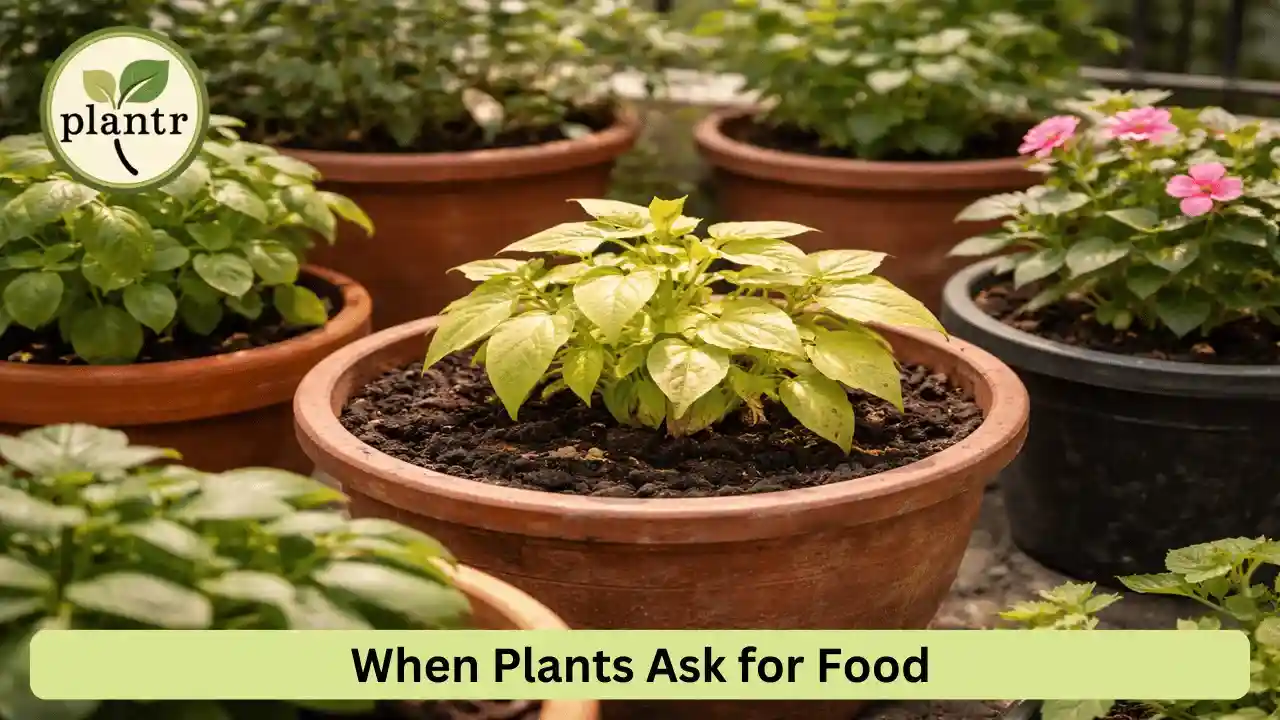
Plants often give small signals when nutrients are low. Watch for:
Pale or yellowing leaves
Slow or stunted growth
Fewer flowers or fruits
Weak stems
These signs don’t always mean fertilizer is needed, but they are a good starting point to check soil health.
Signs of Over-Fertilizing (Very Common Mistake)
Many new gardeners think feeding more will fix problems faster. Sadly, it often does the opposite.
Common signs include:
Leaf tips turning brown
Wilting even when soil is moist
White salt-like layer on soil surface
Sudden leaf drop
If this happens, stop fertilizing and flush the soil with plain water once.
How Often Should You Fertilize Plants in Pots?
Potted plants depend fully on you for nutrients.
In most cases:
Leafy plants: every 15–20 days
Flowering plants: every 15 days during bloom
Indoor plants: every 25–30 days
Always apply fertilizer on moist soil, not dry soil. This helps prevent root damage.
Beginner-Friendly Fertilizing Tips
Here are a few simple tips that really help:
Start with half the recommended dose
Fertilize in the morning or evening
Avoid fertilizing sick or stressed plants
Water lightly after fertilizing
Keep a simple monthly schedule
Gardening is more about observation than strict rules.
Common Fertilizing Mistakes to Avoid
Many beginners unknowingly harm plants by:
Fertilizing too frequently
Mixing different fertilizers together
Fertilizing during extreme weather
Ignoring plant type and season
Using strong chemical fertilizers without dilution
Avoiding these mistakes already puts you ahead of most beginners.
How Often Should You Fertilize Plants? Final Thoughts
FAQs
Yes — fertilizing too frequently can harm plants by causing nutrient burn, yellowing edges on leaves, or stunted growth. If fertilizer sits on the soil surface without being absorbed or if new leaves look brown or crispy, these are signs of over-fertilization. Reducing frequency and flushing the soil with water can help.
Absolutely. Most plants need more nutrients during active growth seasons (spring and summer), so you can fertilize more often then. During dormant periods like late fall and winter, plant growth slows down and needs fewer nutrients — often meaning you can reduce or stop fertilization altogether.
Yes — different fertilizers release nutrients at different rates. Slow-release granules may only need application every few months, while liquid fertilizers often require feeding every 2–4 weeks during active growth. Choosing the right type helps avoid under-feeding or over-feeding.
Indirectly, yes. Proper fertilization strengthens plant health and vigor, helping them resist stressors like pests and diseases more effectively. However, feeding too much nitrogen can make plants more attractive to certain pests, so balanced fertilization is key.
Finding the Right Fertilizing Rhythm
So, how often should you fertilize plants? In most home gardens, feeding once every 15–30 days is usually sufficient. The exact frequency depends on the type of plant, the season, soil condition, and whether you’re using organic or chemical fertilizers. If you’d like a more detailed breakdown, you can read this complete guide on how often should you fertilize plants to adjust feeding according to your garden’s needs.
Instead of following a rigid schedule, focus on observing your plants carefully. Healthy plants show steady growth, vibrant leaf color, and minimal stress signs. Seasonal adjustments often work better than sticking strictly to dates on a calendar.
With patience and regular attention, fertilizing becomes a simple, confident habit rather than a confusing gardening task.
In my own garden, once I reduced heavy feeding and followed a lighter, balanced routine, plant growth became more consistent and healthier.