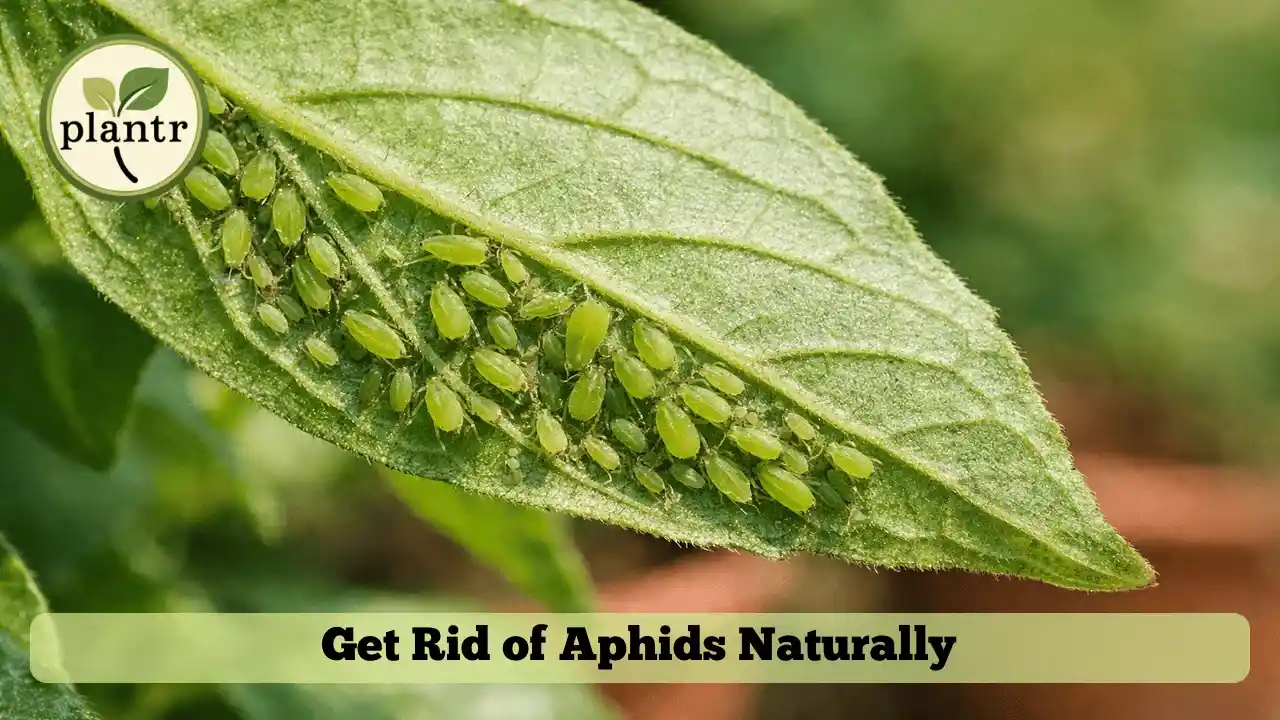
When it comes to organic aphid control methods, consistency matters more than intensity. Here are simple remedies that many home gardeners use.
1. Spray with Plain Water
Sometimes the simplest solution works surprisingly well.
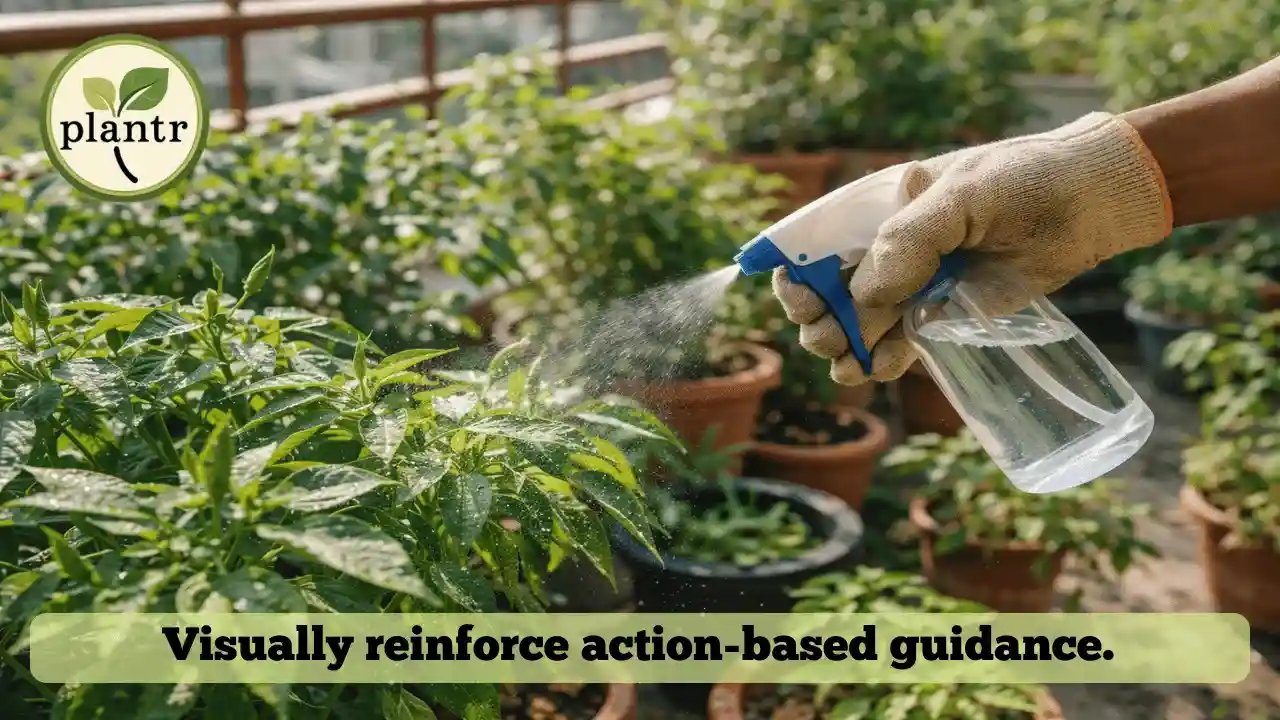
Use a strong spray of water to wash aphids off leaves. Focus on the underside of leaves where they hide. This method:
Physically removes aphids
Reduces their population
Is completely chemical-free
Do this in the morning so plants dry before evening.
This is often the first step when people ask how to remove aphids from plants naturally.
2. Use Neem Oil Spray for Aphids
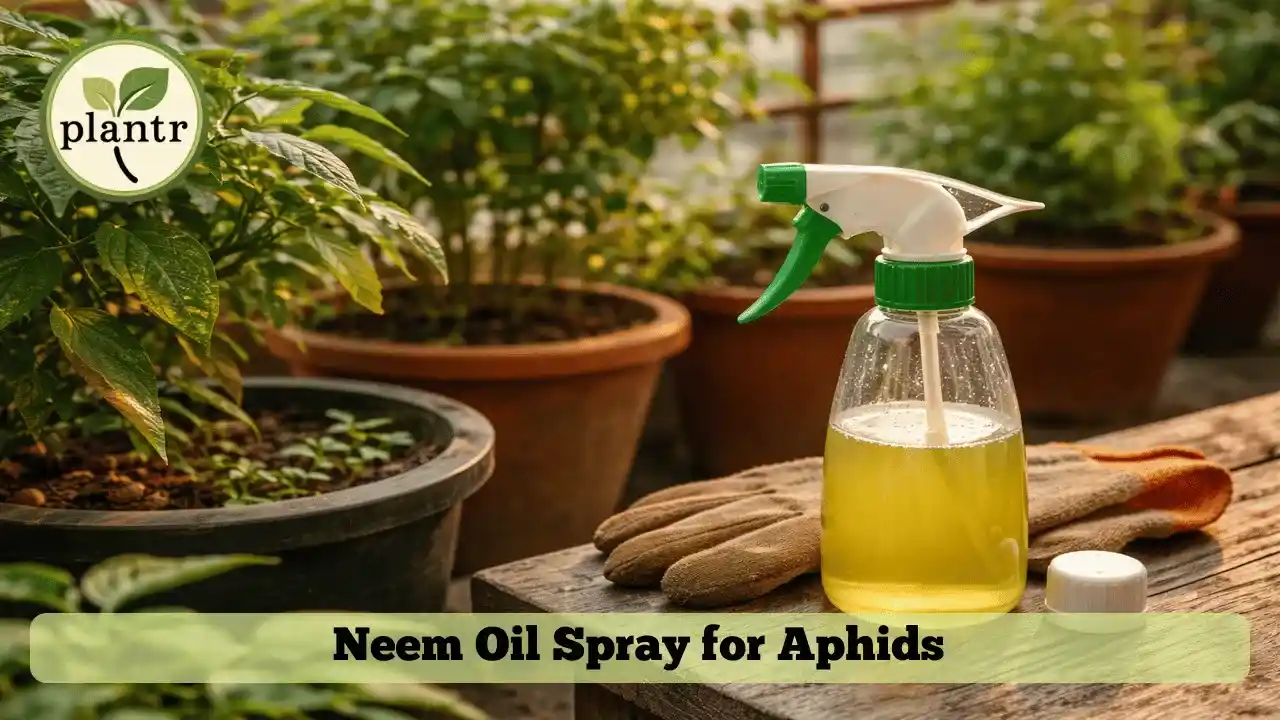
In India, neem oil is commonly used in home gardens. A mild neem oil spray for aphids can help reduce infestation over time.
General method:
Mix neem oil with water
Add a few drops of mild liquid soap (to help it mix properly)
Spray on affected areas in the evening
Avoid spraying under strong sunlight, as leaves may get stressed.
Neem oil doesn’t usually kill instantly, but it can disturb the aphids’ feeding and reproduction cycle when used regularly.
3. Soap Spray for Aphids
A simple soap spray for aphids is another popular home remedy.
Use:
Mild liquid soap (not detergent)
Mixed in water
Spray directly on aphids. The soap solution breaks down their outer layer, which helps control them.
Always test on one leaf first and wait 24 hours. Some plants are sensitive.
4. Remove Them by Hand (For Small Infestations)
If the infestation is small, you can:
Wear gloves
Gently wipe leaves
Prune heavily infested stems
This method sounds basic, but in early stages, it can be very effective.
5. Encourage Natural Predators
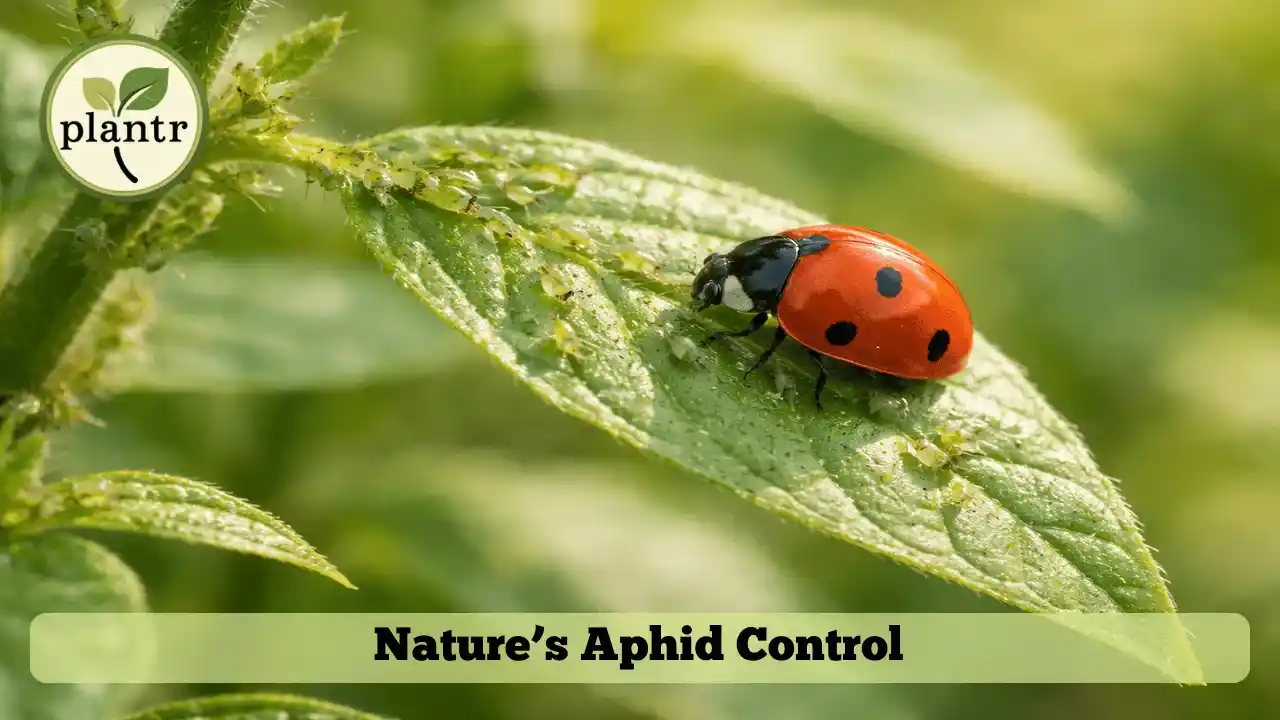
One of the best long-term solutions for aphids in garden spaces is to allow beneficial insects to help you.
Ladybugs, lacewings, and some small wasps feed on aphids. In open gardens, they usually appear naturally.
To attract them:
Grow flowering plants
Avoid heavy pesticide use
Maintain plant diversity
Balcony gardeners may see fewer predators, but terrace gardens often attract them naturally.
Natural Aphid Treatment for Vegetable Plants
If you’re growing tomatoes, chillies, brinjals, or leafy greens, aphids can be especially frustrating.
When using natural remedies for aphids on vegetable plants:
Spray only in the evening
Wash vegetables properly before use
Avoid overdoing sprays
In most home gardens, mild and regular treatment works better than strong and occasional spraying.
Common Beginner Mistakes When Dealing with Aphids
When learning how to get rid of aphids naturally, beginners sometimes make small mistakes that slow down results.
1. Spraying Once and Expecting Instant Results
Natural methods usually require repeated application.
2. Using Too Strong Soap Solution
Too much soap can damage leaves.
3. Spraying During Hot Afternoon
This may stress the plant and cause leaf burn.
4. Ignoring Ants
Ants protect aphids because they feed on the honeydew. If you see many ants, try to manage them too.
How to Prevent Aphids Naturally
Prevention is generally easier than treatment.
Here are a few simple tips to prevent aphids naturally:
Avoid over-fertilizing with nitrogen
Keep plants healthy and well-spaced
Regularly inspect new growth
Prune weak or overcrowded stems
Healthy plants are usually more resistant to pest problems.
Best Way to Control Aphids Long-Term
There isn’t one single “best” method that works for every garden. In my experience, a combination works better:
Wash with water
Follow with neem oil spray
Repeat weekly if needed
Encourage beneficial insects
Over time, the aphid population usually reduces to manageable levels.
Gardening is not about eliminating every insect. It’s about balance.
Signs That Your Aphid Problem Is Reducing
You may notice:
Fewer ants
Less sticky residue
New growth looking healthy
No fresh clusters of aphids
It may take 1–2 weeks of consistent effort in most cases.