
Table of Contents
ToggleHow To Improve Clay Soil for Gardening
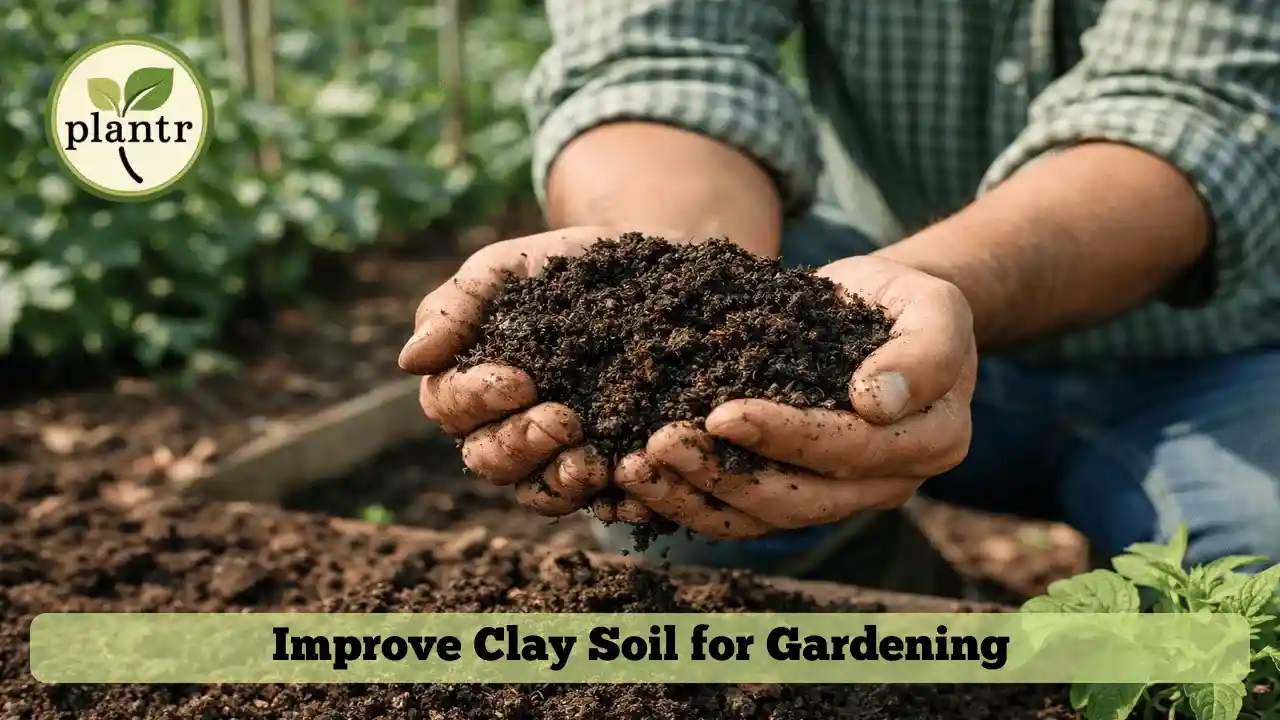
Clay soil can be a bit tricky for many home gardeners. If you’ve ever tried digging into heavy, sticky soil that clumps together after rain and becomes hard like a brick in summer, you’ve probably dealt with clay soil.
The good news is that clay soil is not necessarily bad for gardening. In fact, it often contains many useful nutrients for plants. The challenge is mostly about improving its structure so that water, air, and roots can move through the soil more easily.
In this guide, we’ll talk about how to improve clay soil for gardening using simple and practical methods that work well in most home gardens.
Understanding Clay Soil in the Garden
Before improving clay soil, it helps to understand what makes it different.
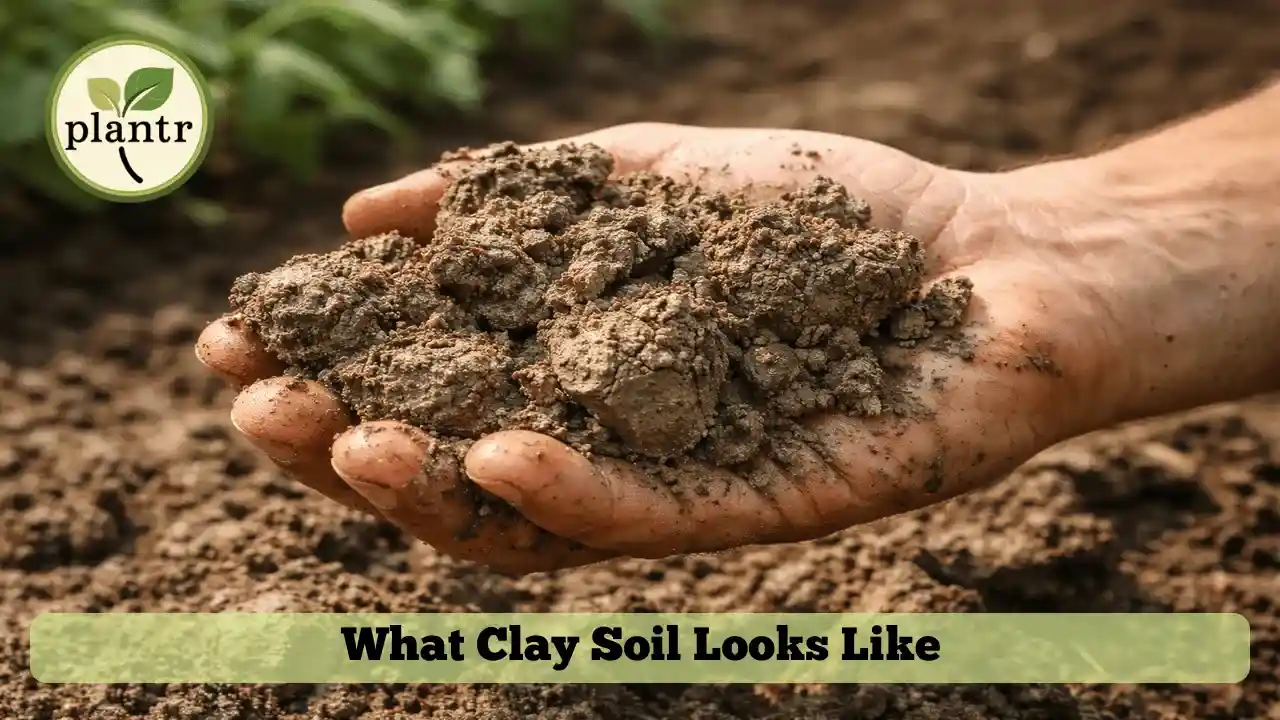
Clay soil is made of extremely fine particles. Because these particles are so small, they pack tightly together. This usually leads to a few common problems:
Poor drainage after watering or rain
Soil becoming sticky and heavy when wet
Soil turning hard and cracked during dry weather
Plant roots finding it difficult to spread
However, clay soil also has one advantage — it usually holds nutrients very well. That means once the soil structure improves, plants can grow quite well in it.
Signs That Your Garden Has Clay Soil
Many beginners wonder how to identify clay soil in their garden. Here are some simple signs commonly noticed:
Soil feels sticky when wet
Soil forms hard lumps when dry
Water stays on the surface for longer after watering
Digging becomes difficult after the soil dries
A simple test many gardeners try is rolling moist soil in their hands. If it easily forms a tight ball or ribbon shape, it often indicates clay soil.
How to Improve Clay Soil for Gardening Naturally
Improving clay soil usually takes a little patience. Instead of trying to change the soil overnight, it’s better to improve it gradually over time.
Here are some commonly used methods.
Add Organic Matter Regularly
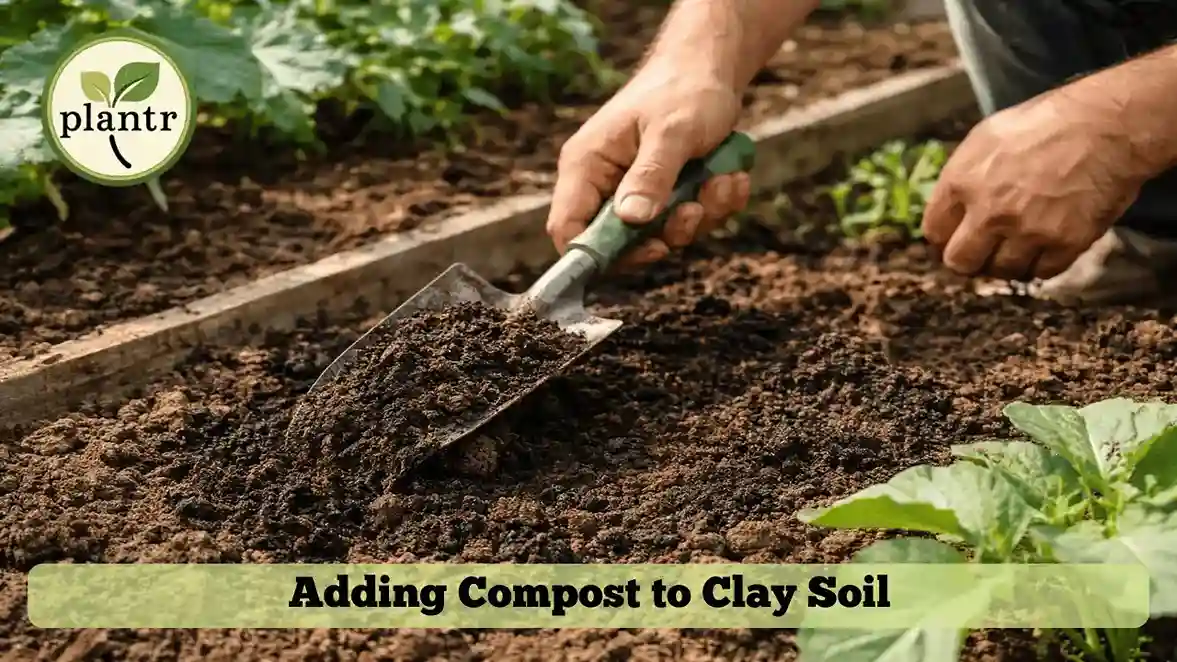
One of the most effective ways to improve clay soil structure is by adding organic matter.
Organic materials help loosen compacted soil and create small spaces that allow air and water to move through the soil.
Common options used in home gardens include:
Compost
Well-decomposed cow dung manure
Leaf compost
Kitchen compost
Vermicompost
In most home gardens, adding compost to clay soil each growing season gradually improves its texture.
A simple approach is to mix 2–3 inches of compost into the top layer of soil before planting.
Use Mulch on the Soil Surface
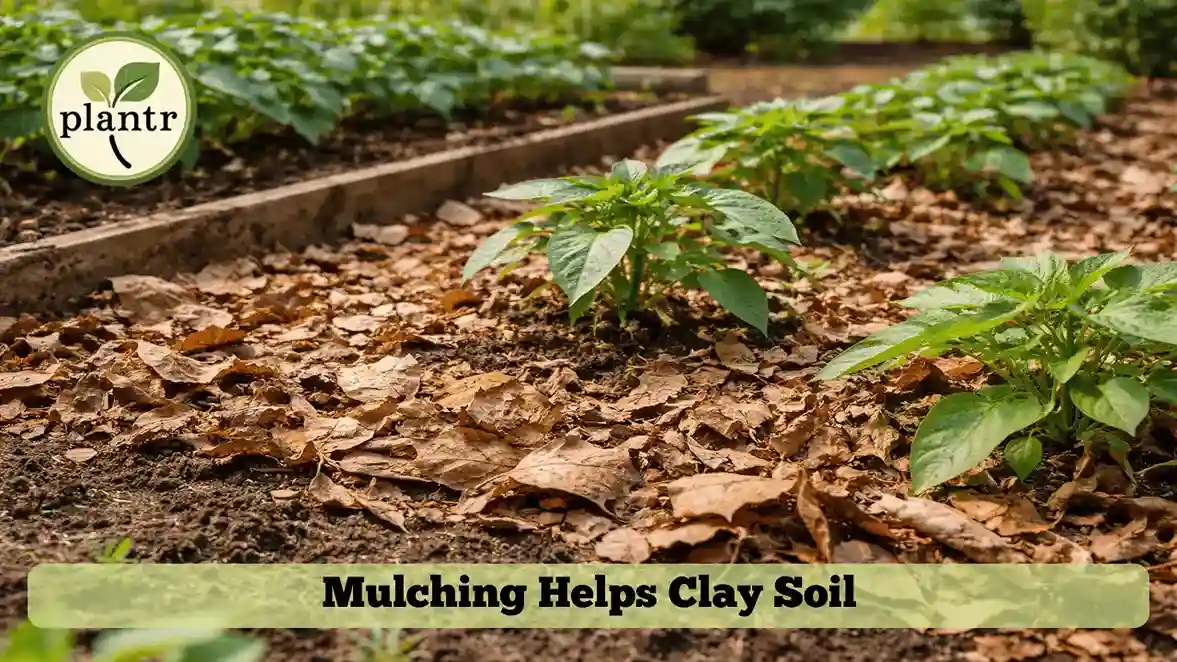
Mulching is another helpful practice when working with clay soil.
A layer of mulch on top of the soil helps:
Reduce soil compaction
Improve moisture balance
Encourage beneficial soil organisms
Over time, organic mulch slowly breaks down and adds more organic matter to the soil.
Some common mulching materials include:
Dry leaves
Straw
Grass clippings
Coco peat
This method is commonly used in vegetable beds and flower gardens.
Avoid Working Soil When It Is Too Wet
One common mistake beginners make is digging or tilling clay soil immediately after rain or watering.
When clay soil is wet, it becomes sticky and compact easily. Working the soil at that time can actually make the problem worse.
It is generally better to wait until the soil becomes slightly moist but not wet before digging or mixing compost.
This simple habit can make a noticeable difference over time.
Create Raised Beds for Better Drainage
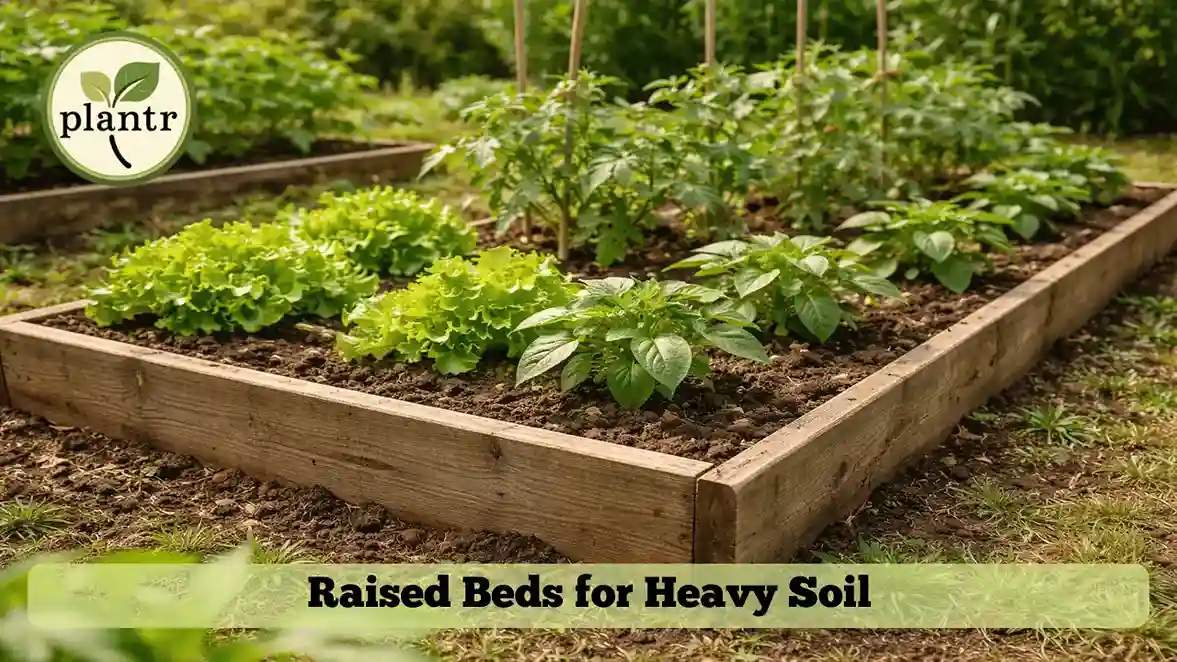
In many home gardens, raised beds help manage heavy clay soil more easily.
Raised beds allow gardeners to mix compost, garden soil, and organic matter into a better growing mix while still using the natural soil underneath.
Benefits of raised beds in clay soil areas:
Better drainage
Easier root growth
Improved soil structure over time
Even a small raised bed for vegetables or flowers can make gardening more manageable.
Grow Plants That Help Improve Soil
Certain plants naturally help improve soil structure by sending roots deeper into the soil.
These plants help create natural channels that allow water and air to move through the soil more easily.
Some commonly grown options include:
Sunflowers
Mustard plants
Beans and peas
Radish
After the growing season, the roots and plant material can be left to decompose, which adds organic matter to the soil.
This method is sometimes referred to as green manure or cover cropping.
Common Mistakes When Trying to Fix Clay Soil
Many beginners try quick fixes that may not work well in the long run. Here are a few things to avoid.
Adding Too Much Sand
It may sound logical to mix sand with clay soil, but in many cases this can create a soil mix that becomes even harder.
Without enough organic matter, sand and clay together can form a dense mixture similar to concrete.
Adding compost is generally a better long-term approach.
Digging Soil Too Frequently
Over-digging or frequent tilling can damage soil structure and disturb helpful soil organisms.
In most home gardens, gently loosening the soil and adding compost once or twice a season is usually enough.
Ignoring Soil Improvement Over Time
Improving clay soil is not a one-time task.
The soil gradually becomes better as organic matter is added each year. Many gardeners notice that after a few seasons, the soil becomes easier to work with.
Best Vegetables That Can Grow in Clay Soil
While improving the soil, it can also help to grow plants that tolerate clay soil conditions.
Some vegetables that commonly grow reasonably well include:
Okra
Beans
Peas
Spinach
Cabbage
These plants often adapt better to heavier soils compared to very delicate root crops.
As the soil improves, more types of vegetables can be grown successfully.
FAQs
Yes, clay soil often contains many natural nutrients. The main challenge is improving drainage and soil structure so plant roots can grow comfortably.
In many home gardens, noticeable improvement may take a few growing seasons. Regular addition of compost and organic matter gradually improves soil texture.
Yes, compost is commonly used to improve clay soil. It helps loosen compacted soil and improves air and water movement through the soil.
Some vegetables can grow reasonably well in clay soil, especially beans, peas, spinach, and okra. Soil improvement over time makes it easier to grow more varieties.
Improving Clay Soil with Patience
Improving clay soil for gardening is mostly a gradual process built on patience and consistency. While clay soil may seem difficult to manage at first, regular additions of organic matter and simple care practices can slowly make it more workable and fertile over time.
In most home gardens, small actions such as mixing compost, applying mulch, avoiding soil compaction, and planting supportive crops help improve soil structure step by step. As you experiment with different planting methods—like understanding should you soak seeds before planting or comparing direct sowing vs transplanting—you’ll also learn how different approaches perform in heavier soil conditions.
With steady care and regular observation, even clay-heavy soil can gradually transform into a productive growing space for vegetables, flowers, and other garden plants.
In my own garden, adding compost regularly and loosening the soil before planting slowly made the clay soil easier to work with each season.