
Table of Contents
ToggleHow to Make Compost at Home (Step-by-Step Guide)
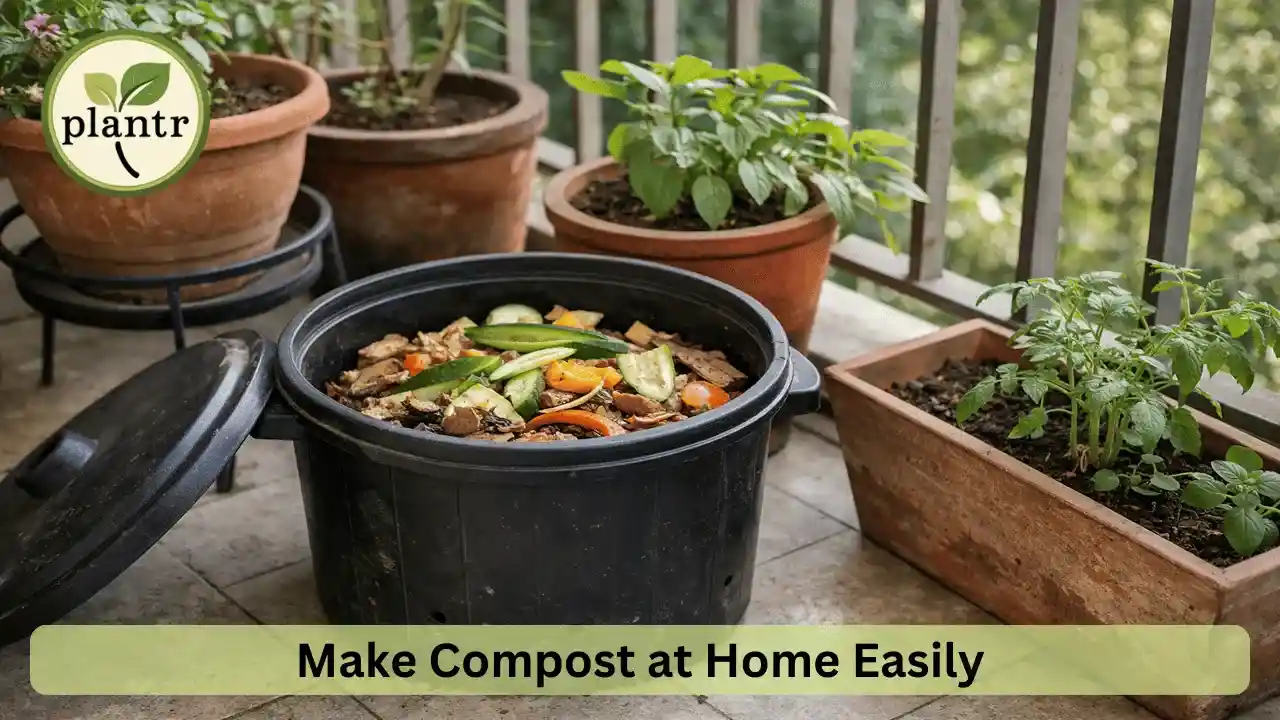
If you enjoy gardening, sooner or later you start wondering what to do with all the kitchen waste—vegetable peels, tea leaves, leftover fruit skins. In most Indian homes, this waste goes straight into the dustbin. I used to do the same, until I realised I was throwing away something my plants would absolutely love.
That’s when I learned how to make compost at home. It’s not complicated, doesn’t need fancy tools, and once you understand the basics, it fits easily into daily life. You don’t need a big garden either—composting works just as well in flats, balconies, and small terraces.
In this guide, I’ll explain composting the way most home gardeners actually do it—simple steps, common sense tips, and a few mistakes to avoid, especially if you’re trying it for the first time.
How to Make Compost at Home: The Basic Idea
Composting is simply the process of letting organic waste break down naturally into nutrient-rich compost. In most home gardens, this happens with the help of air, moisture, and microorganisms already present in the environment.
When you make compost at home, you are mainly balancing two types of waste:
Green waste (wet, nitrogen-rich)
Brown waste (dry, carbon-rich)
Getting this balance right makes composting easier and keeps bad smells away.
What You Need for Home Composting
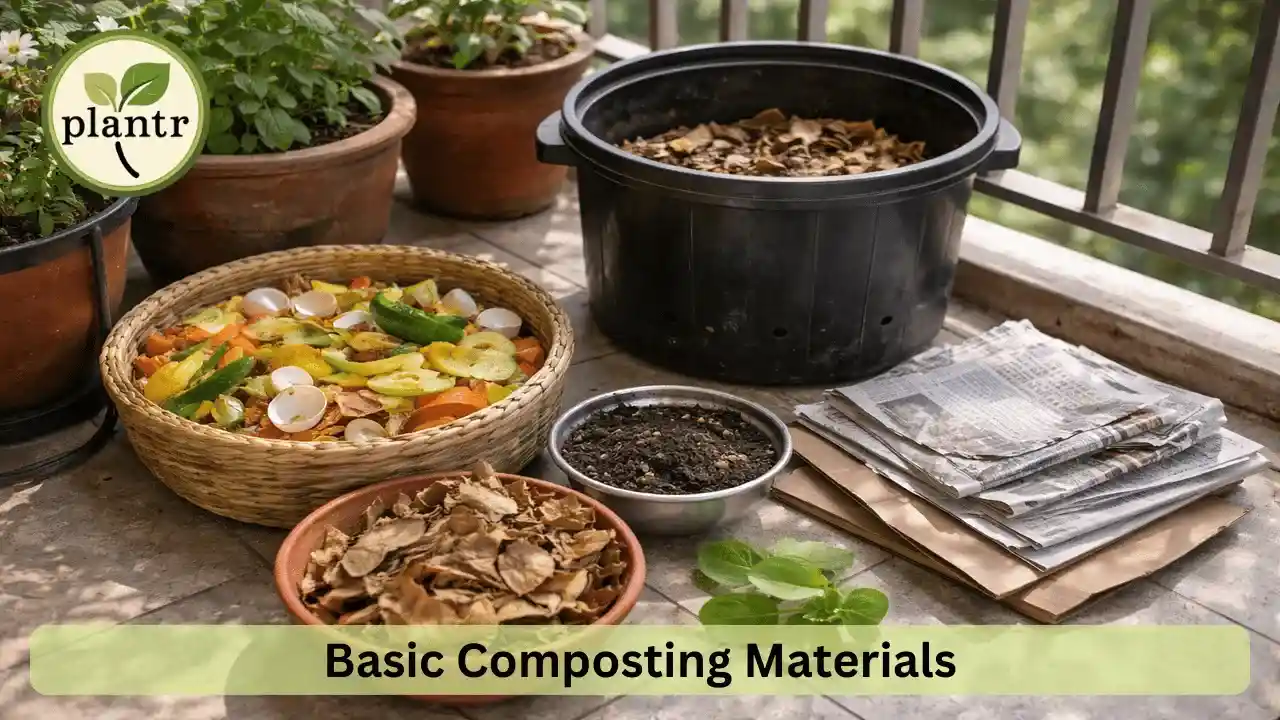
One good thing about home composting is that you don’t need much to start. Most items are already available at home.
Basic items required
A compost bin, bucket, or earthen pot
Kitchen waste like vegetable peels and fruit waste
Dry leaves, newspaper, or cardboard pieces
Soil or old compost (a handful is enough)
Many people worry about cost, but DIY compost at home can be done almost free if you reuse old containers.
Choosing the Right Compost Bin for Home Use
You can compost in many types of containers. The best compost bin for home depends on your space and comfort.
Common options used in Indian homes
Plastic bucket with small holes
Earthen matka or pot
Large paint bucket (washed properly)
Ready-made compost bins (optional)
For flats and balconies, a small bin with a lid works well. Make sure there are air holes to allow proper decomposition.
Step-by-Step Guide: How to Make Compost at Home
Step 1: Prepare the Compost Bin
Start by placing your bin in a shaded area—balcony corner, utility area, or terrace. Direct sunlight is usually avoided.
Add:
A layer of dry leaves or torn newspaper at the bottom
A thin layer of garden soil
This helps absorb moisture and starts the composting process.
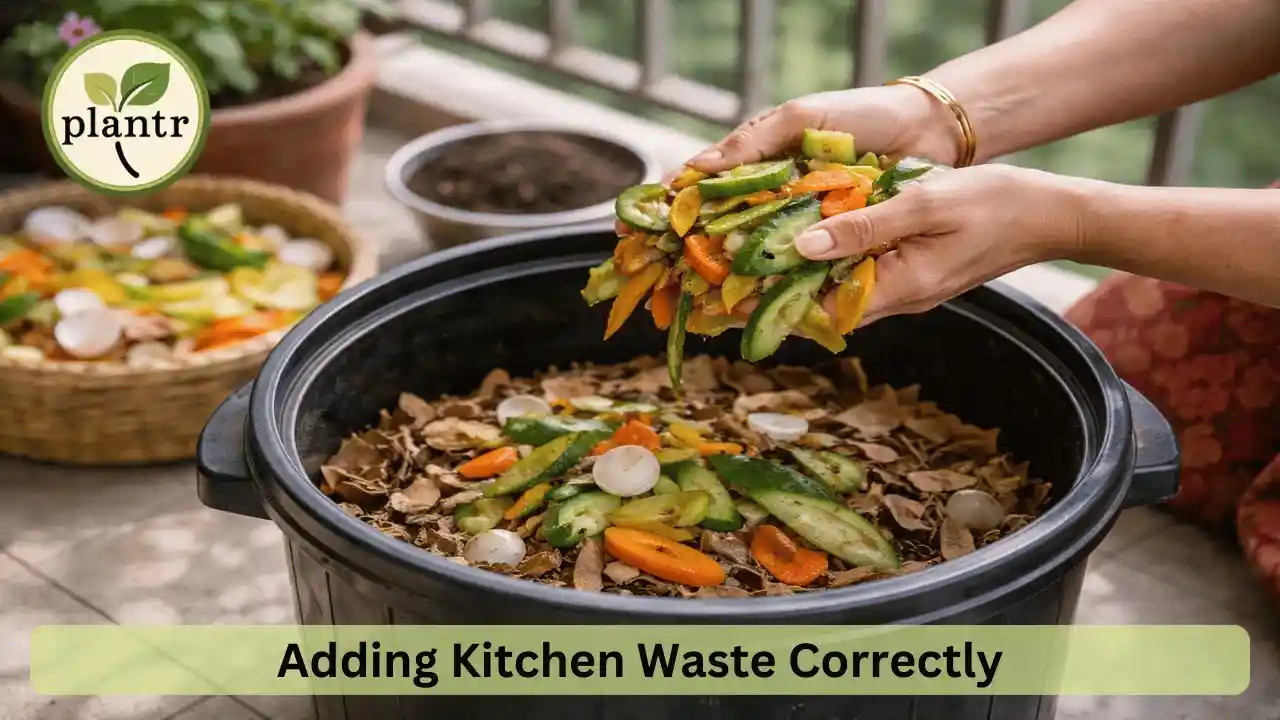
Step 2: Add Kitchen Waste Correctly
This is where most beginners make mistakes.
You can add:
Vegetable peels
Fruit waste
Tea leaves and coffee grounds
Crushed eggshells
Avoid adding cooked food, oily waste, or dairy products. These commonly cause smell and attract pests.
Cutting waste into small pieces helps compost faster in most home composting setups.
Step 3: Balance Green and Brown Waste
For healthy compost, always balance wet waste with dry waste.
A simple rule followed in kitchen waste composting is:
One layer of kitchen waste
One layer of dry waste (leaves, paper, cardboard)
If compost looks too wet, add more dry waste. If it looks too dry, sprinkle a little water.
Step 4: Keep Moisture and Air in Check
Compost should feel like a squeezed sponge—moist but not dripping.
Sprinkle water if the compost is very dry
Stir or turn the compost once every 7–10 days
Turning helps oxygen reach the compost and speeds up natural decomposition.
Step 5: Be Patient and Let Nature Work
In most home gardens, compost takes around 45–75 days to mature, depending on weather and materials used.
You’ll notice:
Waste slowly turning dark and crumbly
Earthy smell (not foul)
No visible food scraps after some time
This is a sign your organic compost at home is ready to use.
Common Beginner Mistakes to Avoid
Even simple composting can go wrong if a few basics are ignored.
Mistakes many beginners make
Adding cooked or oily food waste
Not adding enough dry material
Overwatering the compost
Never turning the compost
If compost smells bad, it usually means excess moisture or lack of air, not failure.
Composting at Home Without Smell
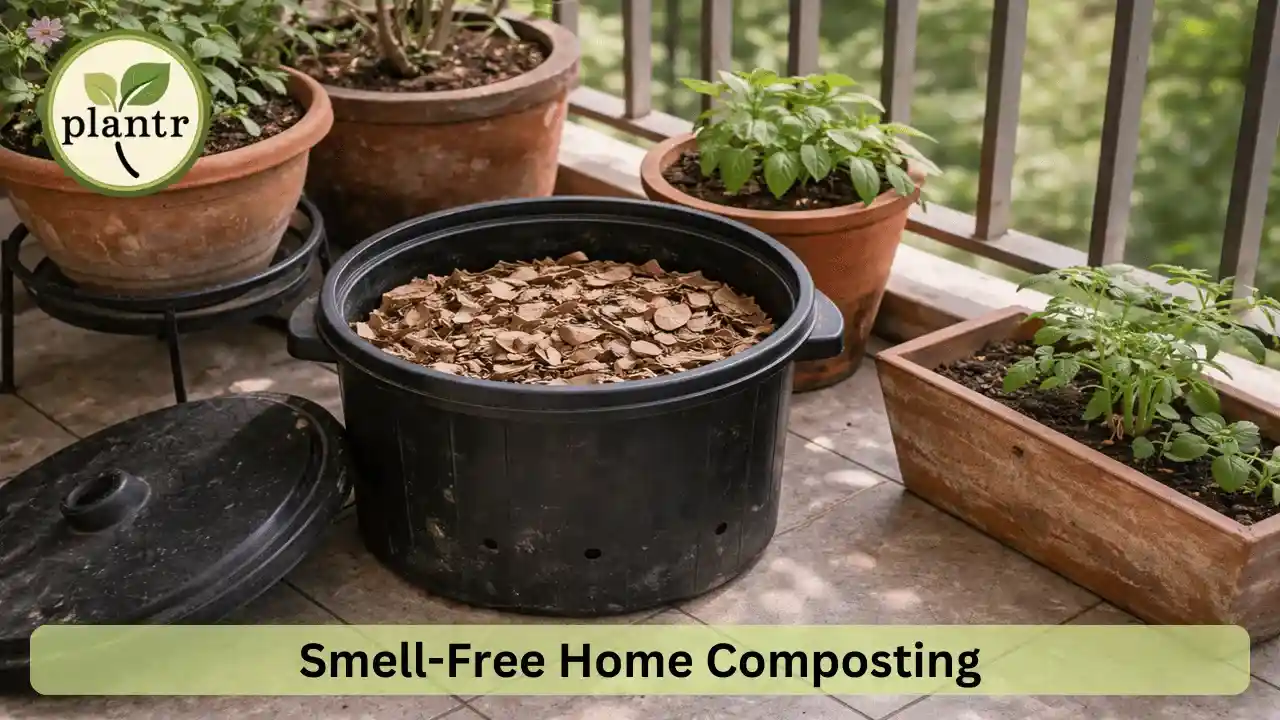
Smell is the biggest fear for most people living in flats.
To keep compost odor-free:
Always cover kitchen waste with dry leaves or paper
Avoid adding non-compostable waste
Do not make the compost too wet
Ensure proper airflow
When done correctly, composting at home without smell is very achievable.
Using Finished Compost in Your Garden
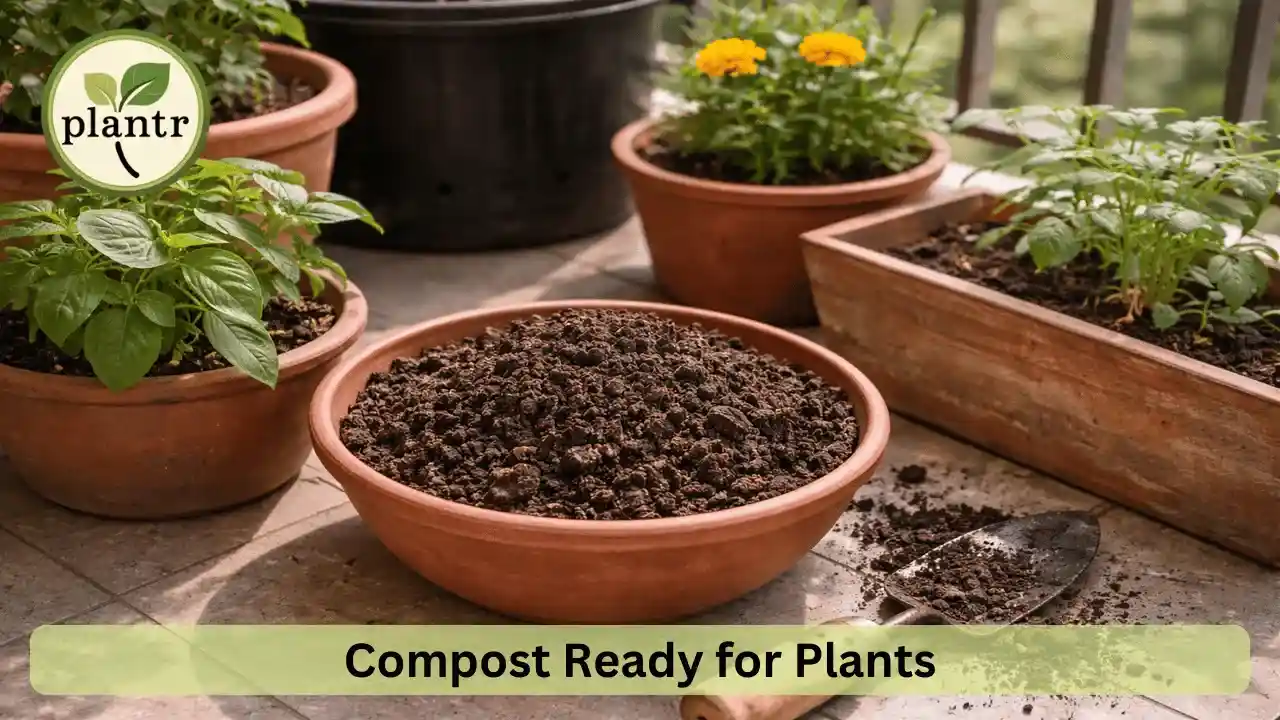
Once compost is ready, it can be used in many simple ways.
Common uses of compost
Mixing with potting soil for plants
Top dressing for flowering plants
Improving soil texture in pots
Nourishing vegetable plants
In most cases, compost is mixed with regular soil rather than used alone.
Simple Tips from Home Gardening Experience
Over time, you’ll find your own rhythm. A few practical tips that help:
Keep a small container in the kitchen for daily waste
Add waste once a day instead of dumping a lot together
Label bins if you use multiple compost containers
Observe compost weekly rather than daily
Home composting becomes easier when it turns into a habit, not a task.
FAQs
The time it takes for compost to become rich, usable soil depends on factors like temperature, materials, and how often you turn the pile. In warm weather with a balanced mix of greens and browns and regular turning, compost can be ready in 6–8 weeks. In cooler conditions or if the pile isn’t turned often, it may take 3–6 months.
Yes — you can compost citrus peels and onions, but they break down more slowly than softer green waste. To help them decompose faster, chop them into small pieces and mix well with brown materials. Avoid adding too many pungent scraps at once to keep odors under control.
Adding well-aged animal manure (like cow or goat manure) can speed up composting because it’s rich in microbes that help break down materials. However, it should be fully composted itself before use to avoid burning plants when applied to the garden.
A foul odor usually means the compost pile is too wet or lacking enough brown (dry) materials like dry leaves, straw, or shredded paper. Turning the pile more often for better aeration and adding more dry ingredients will help balance moisture and reduce smell.
A Simple Habit That Strengthens Your Garden
Starting composting at home may seem complicated in the beginning, but it quickly becomes one of the most practical and satisfying habits for a home gardener. It helps reduce daily kitchen waste while gradually improving soil texture and nutrient quality. When healthier soil is combined with proper plant care—like knowing how often you should water indoor plants—plants tend to grow stronger and more balanced.
Good compost also supports better nutrient availability, which can reduce common issues such as why plant leaves turn yellow in home garden pots. Instead of depending only on quick solutions, improving soil health creates long-term stability for your plants.
In most Indian homes, composting naturally fits into everyday routines when you begin with small steps, like collecting vegetable scraps separately. Over time, you’ll see less waste leaving your kitchen and healthier plants thriving in your pots.
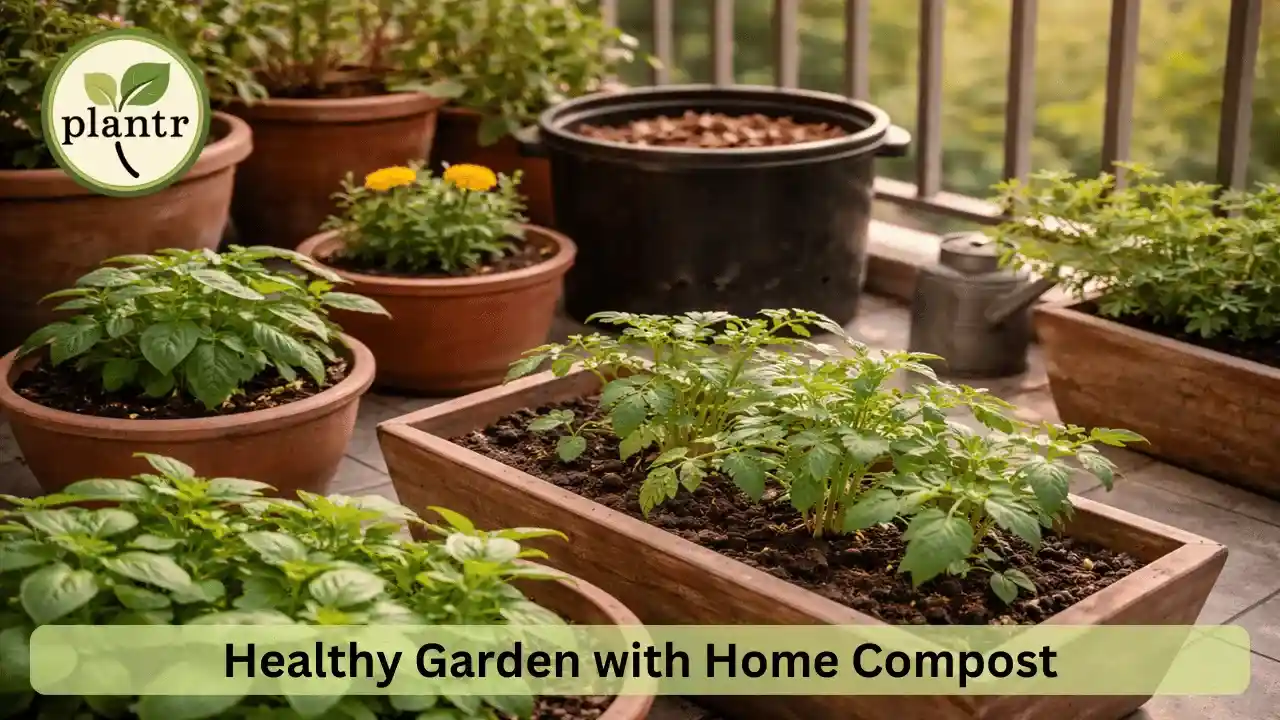
In my own balcony garden, regularly mixing homemade compost into the soil made it softer and noticeably improved plant growth within a few growing cycles.