Table of Contents
ToggleHow to Prepare Soil for Potted Plants at Home
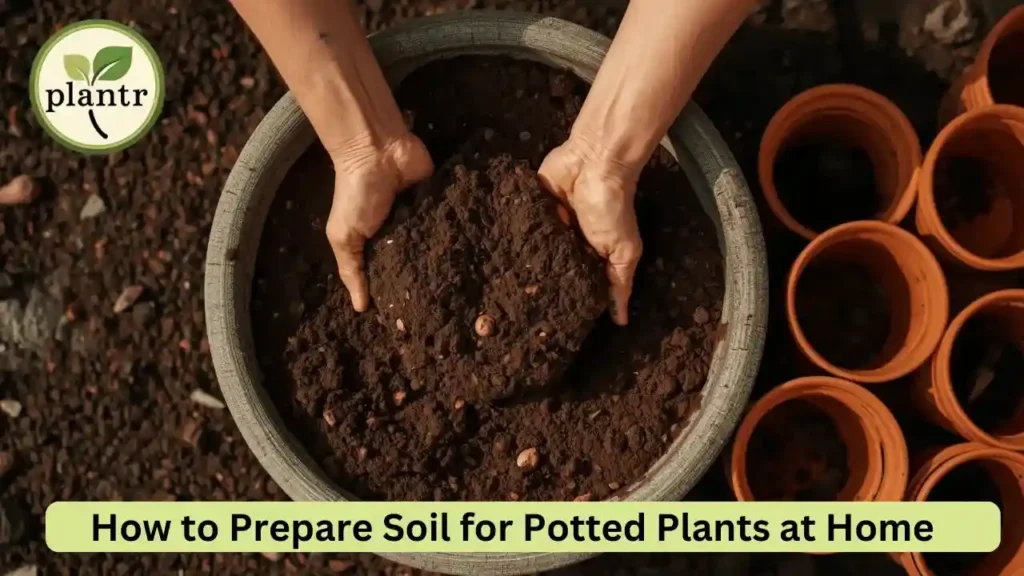
Healthy plants always start with good soil. Many beginners focus on seeds, pots, or fertilizers, but soil preparation is often ignored. In reality, soil plays the biggest role in how well your potted plants grow. If the soil is not right, plants may struggle even with proper watering and sunlight.
Learning how to prepare soil for potted plants at home is simple and does not require expensive materials. In most home gardens, a well-balanced soil mix improves root growth, drainage, and nutrient availability. With the right method, you can prepare healthy soil using easily available ingredients.
This guide explains soil preparation step by step, in a simple way, especially for beginners who are starting container gardening at home.
Why Soil Preparation Is Important for Potted Plants
Potted plants depend completely on the soil inside the pot. Unlike garden plants, their roots cannot spread freely. This is why soil preparation for potted plants needs extra care.
Good soil generally:
Holds moisture without becoming soggy
Allows proper air flow to roots
Provides basic nutrients
Supports strong root development
Using ordinary garden soil alone often causes drainage problems. This is why most gardeners prefer a proper potting soil mix for plants instead of plain soil.
Understanding the Best Soil for Potted Plants
Before preparing soil, it helps to understand what makes the best soil for potted plants.
In most home gardens, ideal soil should have:
Good drainage
Light and loose texture
Ability to hold nutrients
Balanced moisture retention
A good soil for container gardening is usually a mixture of soil, organic matter, and a drainage material.
Basic Ingredients for Potting Soil Mix
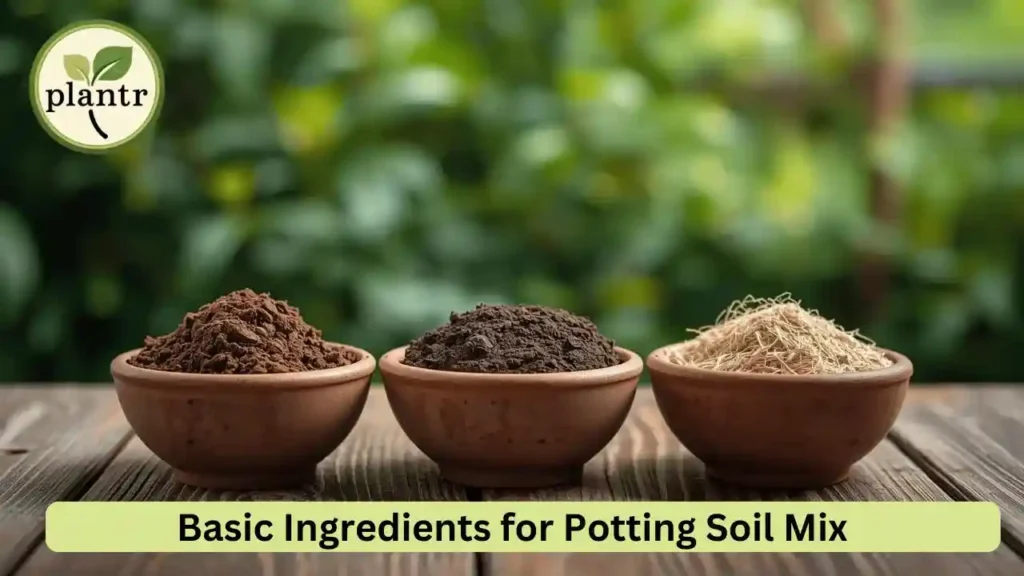
To prepare soil at home, you don’t need anything complicated. Most ingredients are easily available.
Commonly Used Ingredients
Garden soil: Base material
Compost or vermicompost: Nutrients
Sand or coco peat: Drainage and aeration
This combination forms the base of a potting soil preparation method commonly used by home gardeners.
Soil Mixture Ratio for Potted Plants
Using the right ratio is very important. A balanced soil mixture ratio for potted plants works well for most indoor and outdoor pots.
Simple Ratio (General Use)
40% garden soil
30% compost
30% sand or coco peat
This ratio is suitable for most vegetables, flowers, and decorative plants grown in pots.
How to Make Potting Soil at Home (Step-by-Step)
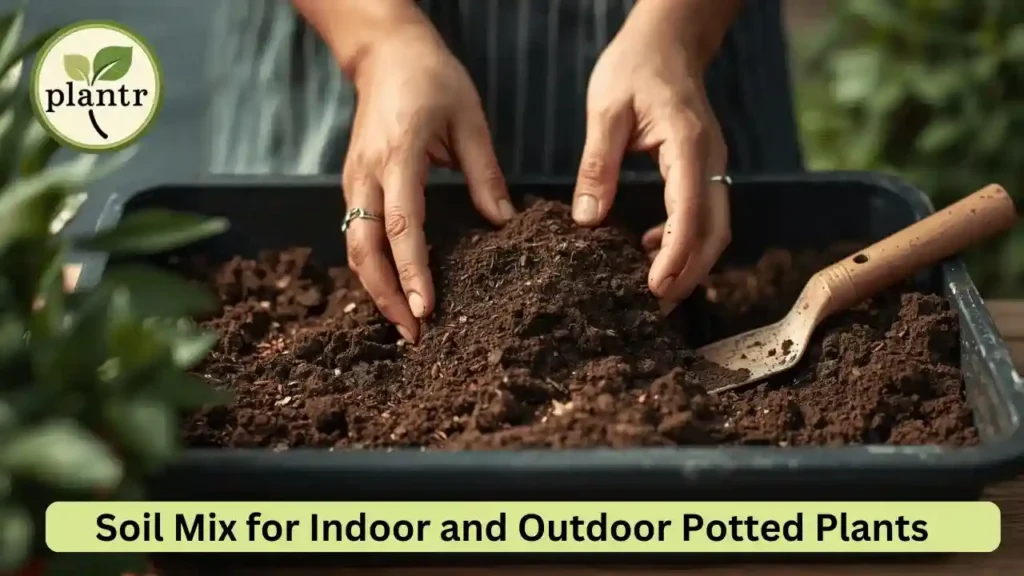
Here is a simple process explaining how to make potting soil at home.
Step 1: Prepare the Soil
Remove stones, roots, and debris
Break large soil lumps
Dry soil slightly if it is too wet
Step 2: Add Organic Matter
Mix compost thoroughly
Compost improves soil fertility
This step is essential for a homemade soil mix for potted plants
Step 3: Improve Drainage
Add sand or coco peat
Mix evenly
This helps prevent waterlogging
Step 4: Final Mixing
Mix all ingredients well
Soil should feel loose and crumbly
This completes basic soil preparation for container plants
Soil Mix for Indoor Plants vs Outdoor Potted Plants
Not all plants need the same soil. Light adjustment helps.
Soil Mix for Indoor Plants
More coco peat
Lighter texture
Better moisture retention
This works well as a soil mix for indoor plants, especially for low-light conditions.
Soil Mix for Outdoor Potted Plants
Slightly more garden soil
Better support for roots
Handles sunlight and wind exposure
This type of soil mix for outdoor potted plants suits balconies and terraces.
Potting Soil Mix for Balcony Plants
Balcony plants face wind, sun, and limited space. A potting soil mix for balcony plants should drain well but not dry too fast.
Recommended mix:
Garden soil
Compost
Coco peat
Small amount of sand
This balance works well in most Indian homes.
How to Improve Soil for Potted Plants Over Time
Soil quality reduces over time as plants use nutrients.
You can improve soil for potted plants by:
Adding compost every 20–30 days
Removing topsoil and refreshing it
Loosening soil gently
These small steps help maintain healthy pots without changing soil completely.
Common Beginner Mistakes to Avoid
Many beginners face problems due to simple mistakes.
Avoid these:
Using only garden soil
Overwatering poor-drainage soil
Not adding organic matter
Reusing old soil without improvement
Understanding how to prepare soil for plants in pots helps prevent these issues.
Practical Tips for Better Results
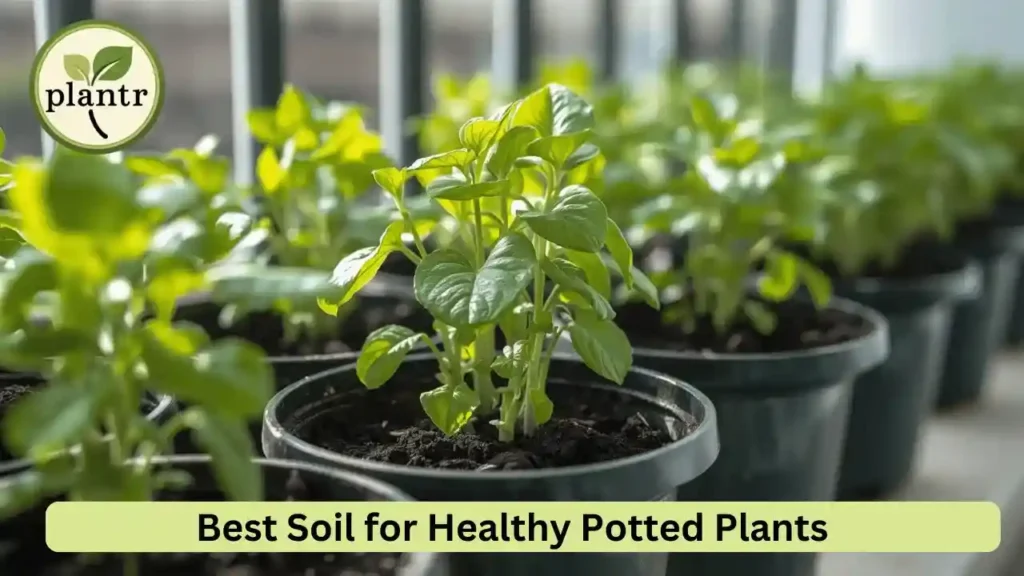
Always use pots with drainage holes
Sieve soil for better texture
Avoid very fine sand
Keep soil slightly moist, not wet
These tips work well in most home gardens.
Conclusion
Preparing soil at home is one of the easiest and most effective ways to improve plant health. Once you understand how to prepare soil for potted plants at home, gardening becomes simpler and more enjoyable.
A good soil mix supports roots, improves drainage, and helps plants grow naturally. With basic ingredients and a little care, you can create healthy soil suitable for both indoor and outdoor pots.