
Table of Contents
ToggleHow to Prevent Fungal Diseases in Plants

If you’ve been gardening for some time, you may have noticed white powder on leaves, black spots spreading slowly, or plants suddenly looking weak even though you watered them regularly. In most home gardens, these problems are often linked to fungal diseases. They are quite common, especially during humid weather or rainy seasons in many parts of India.
Learning How to Prevent Fungal Diseases in Plants is not as complicated as it sounds. Most of the time, simple gardening habits and regular observation can help reduce these problems. As home gardeners, we may not always control weather or environment, but we can definitely create conditions where fungi struggle to grow.
In this guide, I’ll share practical and beginner-friendly tips that are generally followed in home gardens to keep plants healthy and strong.
Understanding Why Fungal Diseases Happen
Fungal diseases usually develop when moisture stays on leaves, stems, or soil for a long time. Fungi thrive in warm and humid environments, which is why they commonly appear during monsoon or when plants are overcrowded.
Some common signs of fungal infections in plants include:
White or grey powdery coating on leaves
Yellow or brown leaf spots
Leaves curling or drying early
Mold forming on soil surface
Weak or stunted plant growth
Recognizing these early signs helps in preventing fungal infections in garden plants before they spread to other plants.
Maintain Proper Air Circulation Around Plants

One of the simplest ways to control fungal diseases naturally is by improving airflow. In most home gardens, plants are often placed too close to each other, especially in balconies or terrace gardens.
How to Improve Airflow
Leave enough space between pots
Avoid overcrowding in grow bags or containers
Trim extra branches or dense leaves
Place plants where natural air movement is available
Good airflow helps leaves dry faster after watering or rain, which reduces chances of fungal growth.
Follow Smart Watering Practices
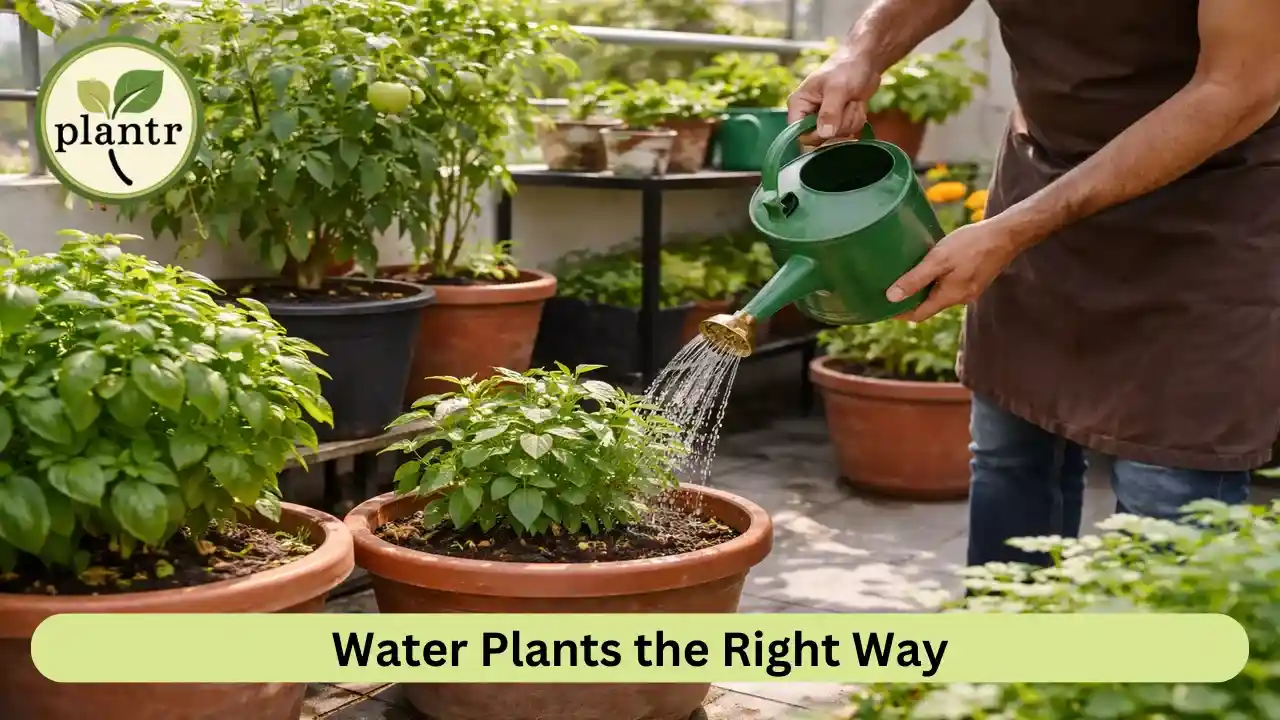
Overwatering is one of the biggest reasons behind fungal problems in plants. Many beginners assume more water means healthier plants, but in reality, excess moisture encourages fungus development.
Best Watering Tips to Prevent Fungal Diseases
Water plants early in the morning
Avoid watering leaves unnecessarily
Check soil moisture before watering
Ensure pots have proper drainage holes
Watering in the morning allows plants to dry naturally during the day, which is helpful for controlling plant leaf fungus.
Choose the Right Soil and Improve Drainage
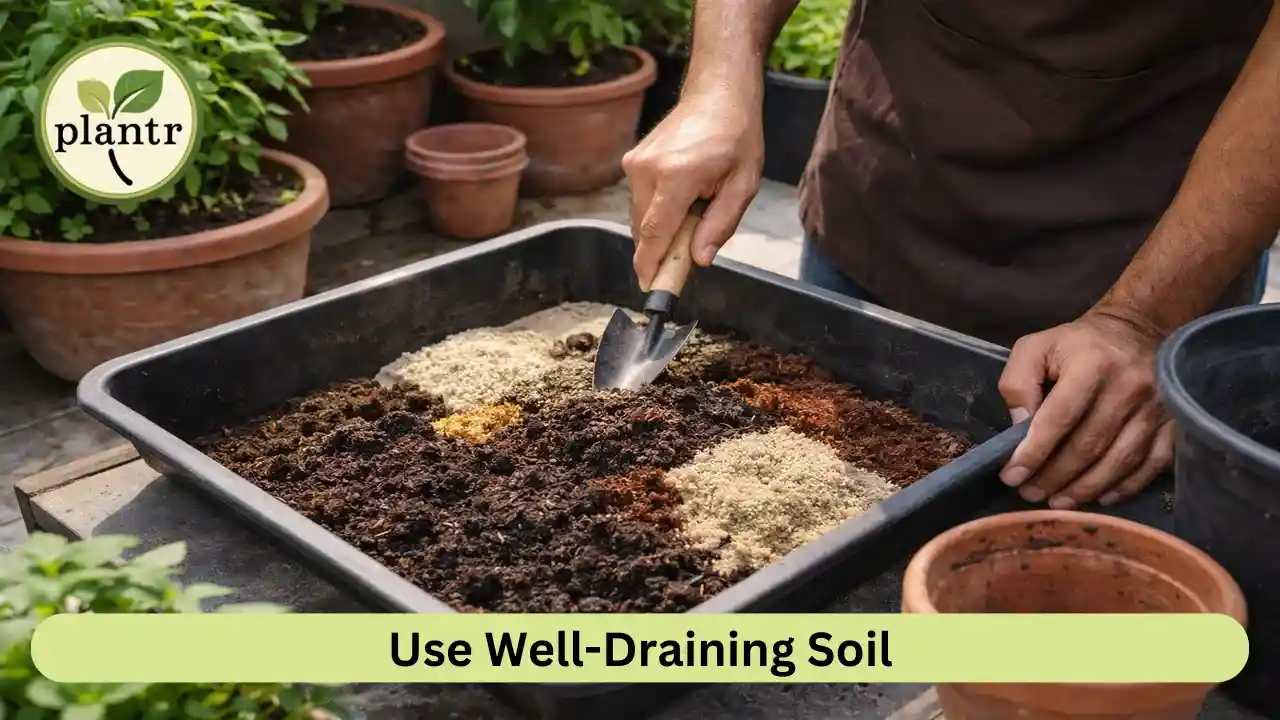
Poor drainage soil stays wet for longer periods, which commonly leads to root fungal diseases in plants. Using well-draining soil helps maintain balanced moisture levels.
Soil Tips for Healthy Plants
Use loose and airy potting mix
Add sand, cocopeat, or compost to improve drainage
Avoid reusing infected soil without treatment
Remove top soil layer if mold appears frequently
Healthy soil plays an important role in organic ways to prevent plant fungus and supports stronger root growth.
Keep Garden Tools and Pots Clean
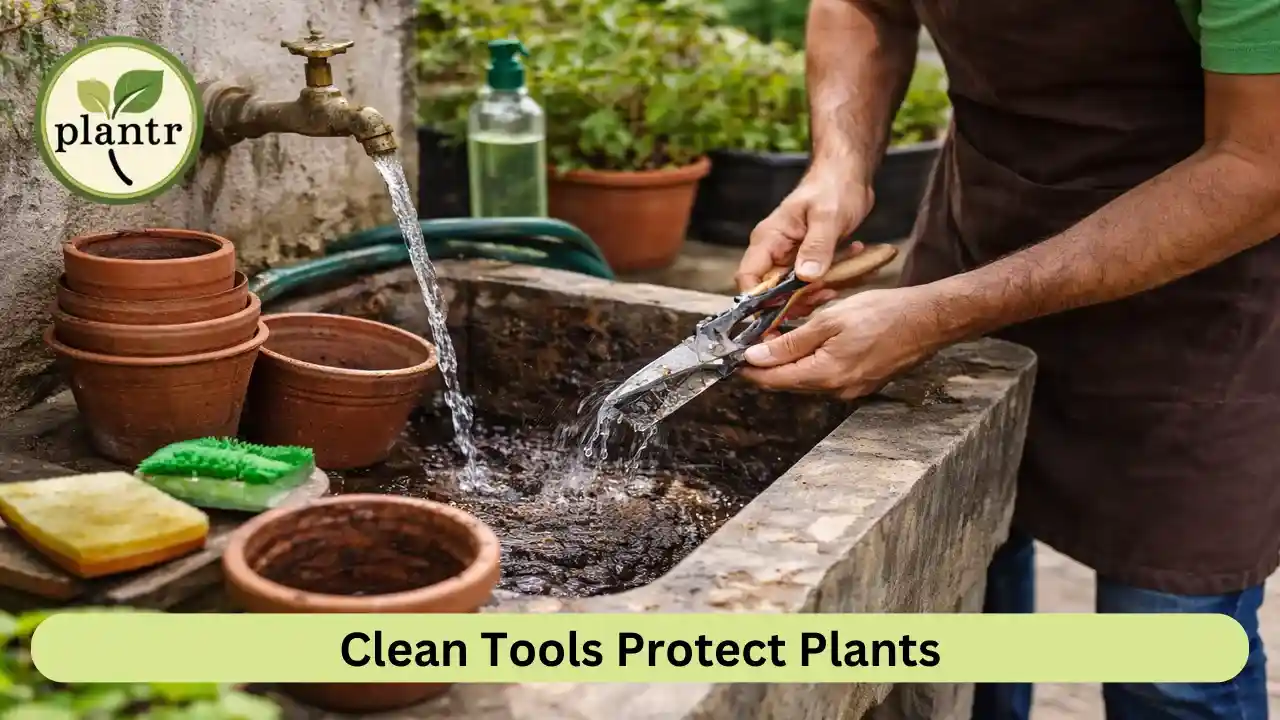
Fungal spores can easily spread through contaminated tools, pots, or hands. This is something many beginners overlook.
Basic Garden Hygiene Practices
Clean pruning scissors after trimming infected leaves
Wash reused pots before planting
Remove fallen infected leaves from soil surface
Avoid touching healthy plants after handling infected ones
Maintaining cleanliness is a simple step in home gardening fungal disease prevention.
Provide Adequate Sunlight

Most fungal infections grow well in dark, damp areas. Sunlight helps dry leaves and creates an environment where fungus struggles to survive.
Sunlight Tips
Place plants where they receive sufficient sunlight
Rotate pots regularly for equal exposure
Avoid placing plants permanently in shaded corners
Sunlight not only helps prevent fungal diseases in indoor plants but also improves overall plant strength.
Prune Plants Regularly
Pruning helps remove infected or weak parts before the disease spreads. It also improves air circulation and sunlight penetration.
Safe Pruning Practices
Remove yellow, spotted, or dried leaves
Cut infected branches carefully
Dispose removed plant parts away from garden area
Avoid pruning during very humid weather
Regular pruning is commonly followed to reduce plant fungal growth in both indoor and outdoor gardens.
Use Natural Preventive Solutions
Many home gardeners prefer natural remedies for plant fungal diseases rather than strong chemical treatments. While results may vary, these are generally used as preventive care.
Common Natural Preventive Options
Neem-based sprays
Baking soda diluted solutions
Cinnamon powder on soil surface
Buttermilk or diluted milk sprays in some cases
These natural options are commonly used as organic fungal disease control for plants, especially in small home gardens.
Monitor Plants Regularly
Daily observation helps detect problems early. Fungal diseases spread quickly if ignored for long periods.
What to Check During Inspection
Leaf colour and texture
Soil surface for mold
Sudden leaf drop
Weak or slow plant growth
Early detection is one of the most effective methods in preventing fungal infections in garden plants.
Common Beginner Mistakes That Encourage Fungal Diseases
Many fungal problems appear because of simple mistakes. Avoiding them can help keep plants healthier.
Watering plants late evening or night
Using heavy clay soil without drainage
Ignoring infected leaves
Keeping plants in closed, humid spaces
Reusing contaminated soil or pots
Learning from these mistakes improves plant care habits and supports long-term plant health.
Seasonal Care Tips for Indian Home Gardens
In India, fungal diseases usually increase during monsoon and winter humidity. Taking seasonal precautions can be helpful.
During Monsoon
Reduce watering frequency
Move pots under partial shelter
Increase airflow around plants
During Winter
Water plants carefully
Provide enough sunlight
Avoid leaving soil constantly wet
Seasonal care is commonly practiced to reduce fungal problems in terrace and balcony gardens.
FAQs About How to Prevent Fungal Diseases in Plants
Fungal diseases usually develop due to excess moisture, poor air circulation, and humid weather conditions.
Yes, overwatering commonly creates damp soil conditions that encourage fungal growth.
Improving airflow, watering properly, and using neem-based sprays are commonly used natural preventive methods.
Yes, removing infected leaves early generally helps stop fungal diseases from spreading to healthy plant parts.
Final Tips for Fungal-Free Gardening
Understanding how to prevent fungal diseases in plants mainly involves maintaining balanced watering, proper airflow, healthy soil, and regular monitoring. In most home gardens, small daily care routines make a big difference over time.
Fungal diseases are quite common and can happen even to experienced gardeners. Instead of worrying, focusing on prevention and early care usually helps plants recover and grow better. Gardening is always a learning process, and observing plants closely helps build better gardening habits naturally.
From my experience, checking the leaves every morning and avoiding overwatering has prevented most fungal problems before they even started.