
Table of Contents
ToggleIndoor vs Outdoor Seed Sowing: Which Is Better?
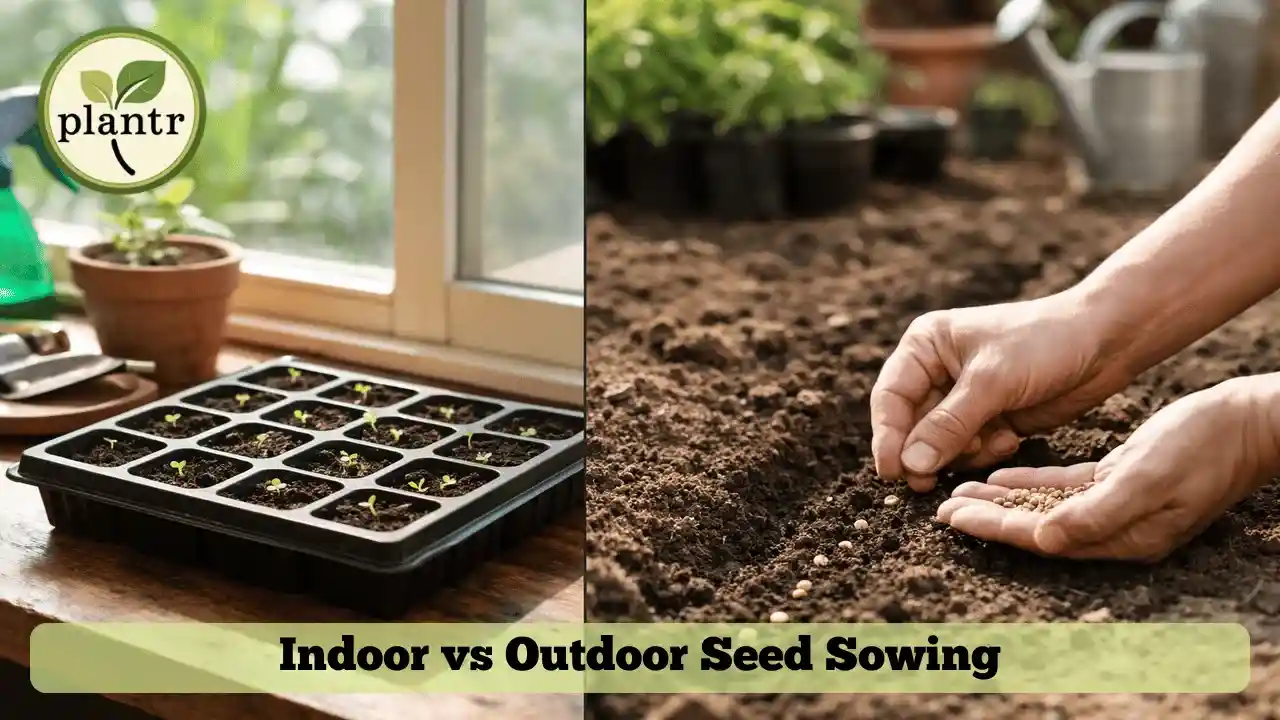
If you are just starting your gardening journey, one common confusion is about Indoor vs Outdoor Seed Sowing: Which Is Better? I had the same doubt when I planted my first batch of tomato seeds on my balcony.
Some gardeners prefer starting seeds inside trays near a sunny window. Others directly sow seeds in the garden soil. Both methods are commonly used in most home gardens, but each one has its own advantages and small challenges.
In this article, I’ll explain everything in simple terms so you can decide what suits your home, space, and climate.
Understanding Indoor Seed Sowing
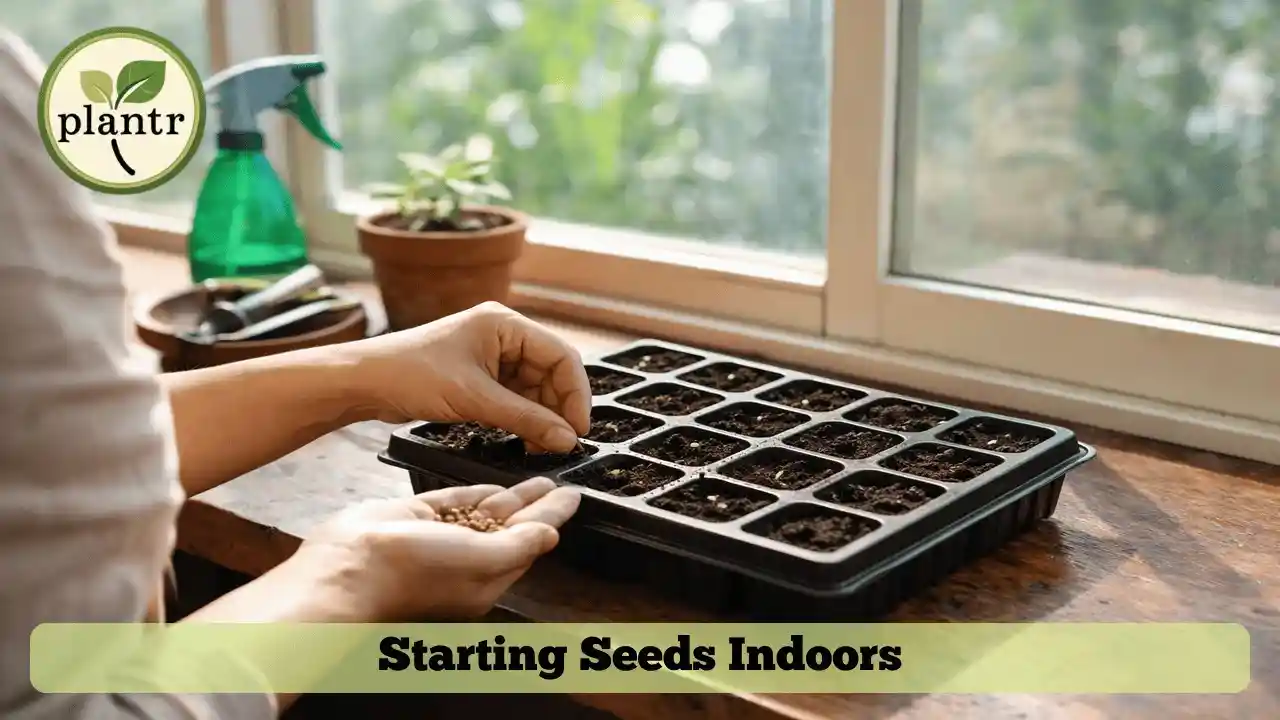
Indoor seed sowing simply means starting seeds inside your home before moving them outdoors later. Many people in apartments or places with limited outdoor space use this method.
It is also called starting seeds indoors and is very popular during late winter or early summer preparation.
Why Gardeners Choose Indoor Seed Sowing
Here are some common reasons:
Better control over temperature and moisture
Protection from heavy rain or strong sunlight
Safer from birds, insects, and stray animals
Useful for early seed starting
In Indian weather conditions, especially during extreme heat or heavy monsoon, indoor sowing can make things easier for beginners.
Best Seeds to Start Indoors
In most home gardens, these plants are commonly started indoors:
Tomato
Capsicum
Chilli
Cabbage
Flowering plants like petunia
These plants usually benefit from a protected start before transplanting.
Things to Keep in Mind
Indoor sowing is helpful, but it requires attention:
Seeds need enough sunlight (at least 4–6 hours)
Overwatering is a common mistake
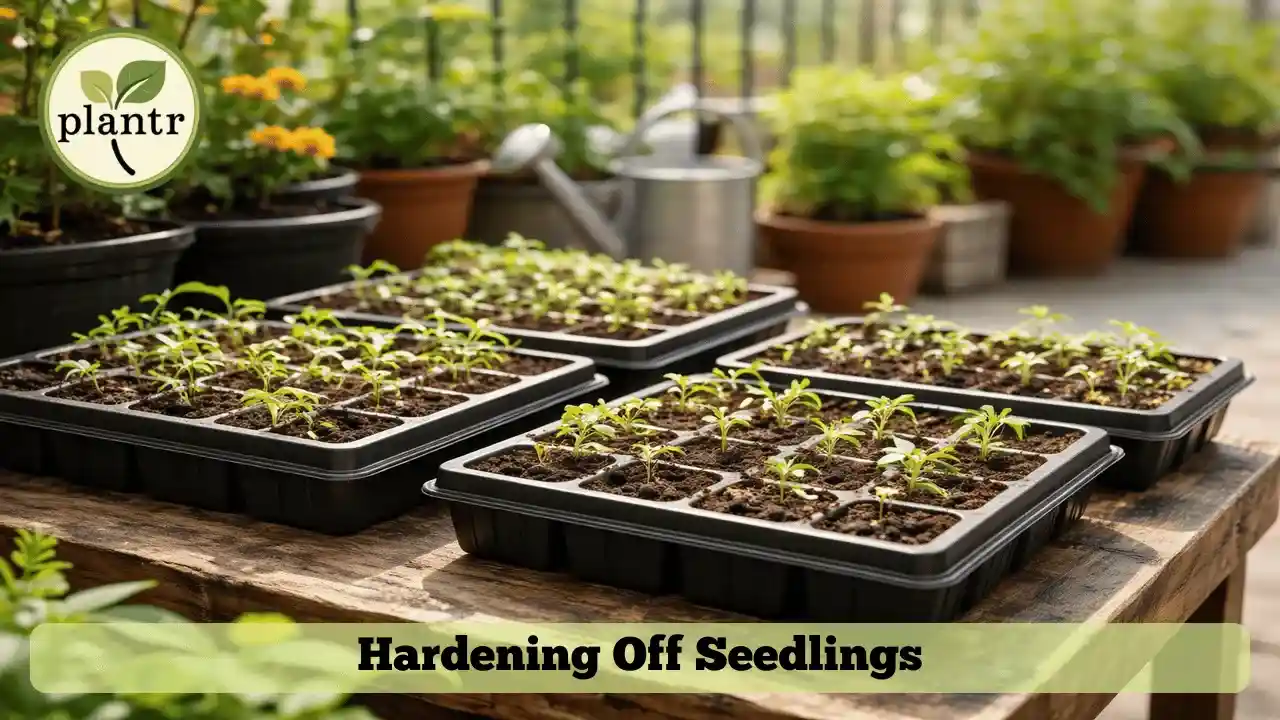
Seedlings must be hardened before shifting outside
Hardening off seedlings means slowly exposing them to outdoor conditions over 5–7 days. If you skip this step, seedlings may struggle.
Understanding Outdoor Seed Sowing
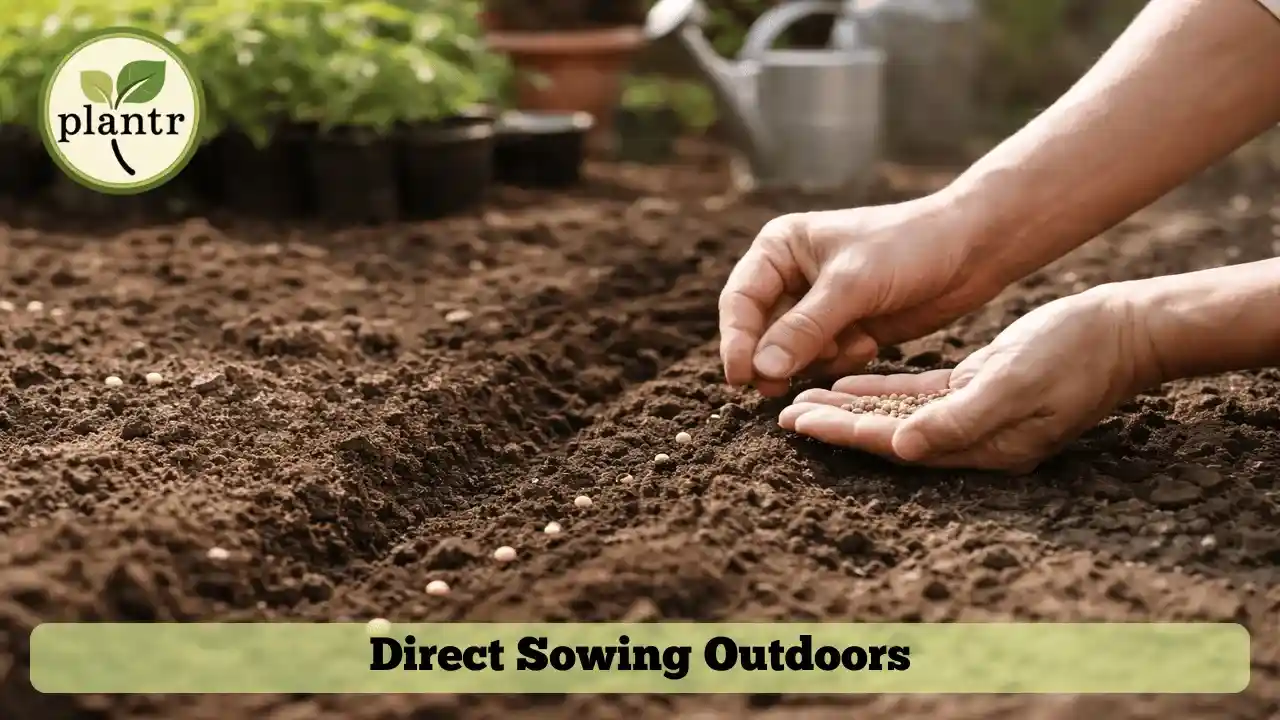
Outdoor seed sowing means directly planting seeds in garden soil or pots placed outside. This is also known as direct sowing seeds outdoors.
Many experienced gardeners prefer this method because it feels natural and simple.
Why Gardeners Prefer Outdoor Seed Sowing
No need for transplanting
Less disturbance to roots
More space for natural growth
Suitable for fast-growing plants
In most Indian home gardens, leafy vegetables are directly sown.
Best Seeds for Direct Sowing
Some seeds do better when planted directly outside:
Spinach
Coriander
Radish
Beans
Fenugreek
These plants grow quickly and generally don’t like root disturbance.
Things to Watch Out For
Outdoor sowing depends a lot on weather conditions.
Common beginner issues:
Heavy rain washing away seeds
Birds picking seeds
Soil drying too quickly
Planting seeds too deep
Understanding the correct seed sowing depth is very important. Small seeds usually need shallow planting, while larger seeds can go slightly deeper.
Indoor vs Outdoor Seed Sowing: Which Is Better for Beginners?
Now comes the main question — Indoor vs Outdoor Seed Sowing: Which Is Better?
The honest answer is: it depends.
Let’s compare both methods in a simple way.
1. Control Over Environment
Indoor sowing gives you better control over:
Temperature
Moisture
Light (to some extent)
Outdoor sowing depends completely on weather.
If you live in an area with unpredictable rain or strong summer heat, indoor seed starting might feel safer.
2. Effort Required
Indoor sowing needs:
Seed trays
Regular monitoring
Transplanting later
Outdoor sowing is simpler:
Prepare soil
Sow seeds
Water gently
If you prefer less handling, direct sowing seeds outdoors may suit you.
3. Success Rate
For beginners, indoor sowing sometimes gives a better seed germination process because conditions are stable.
However, many plants actually grow stronger when directly sown in their final place.
4. Space Availability
If you live in a flat with only a balcony, indoor sowing in trays can save space.
If you have a terrace garden or backyard, outdoor sowing becomes easier.
When to Choose Indoor Seed Sowing
You may prefer indoor sowing if:
Weather is too hot, cold, or rainy
You want early harvest
Seeds are expensive or limited
You want better control over plant growth
This method is commonly used for vegetable seed starting tips in small urban homes.
When to Choose Outdoor Seed Sowing
Direct sowing works well when:
Weather is stable
Plants grow quickly
You have enough outdoor space
You want less transplant shock
For leafy greens and root vegetables, outdoor sowing is generally more convenient.
Common Beginner Mistakes in Seed Sowing
No matter which method you choose, beginners often make similar mistakes.
Here are a few to avoid:
Overwatering seeds
Using heavy garden soil in trays
Planting seeds too deep
Not checking sunlight needs
Skipping hardening before transplanting
Remember, seed germination takes patience. In most home gardens, seeds sprout within 5–14 days depending on the plant type.
My Personal Experience
Over time, I have learned to use both methods depending on the season.
During extreme summer, I prefer indoor trays for tomatoes and chillies. For spinach and coriander, I always do direct sowing in pots outside.
There is no strict rule. Gardening is flexible. You observe, adjust, and learn every season.
FAQs
No, not for all. Some vegetables like tomatoes and capsicum benefit from indoor seed starting, but leafy greens usually grow well with direct sowing.
It is generally not recommended. Sudden exposure to sun and wind can stress young seedlings.
Growth speed depends more on plant type and weather than on the method itself. Indoor sowing may give an earlier start in some cases.
Many beginners find indoor sowing easier at first because conditions are controlled. However, direct sowing is simpler once you understand your local climate.
Choosing What Works Best for Your Garden
When it comes to indoor vs outdoor seed sowing, both methods have their own advantages. Indoor sowing offers better control over temperature and moisture, making it ideal for delicate or slow-germinating plants. Outdoor sowing, on the other hand, is simpler and often produces naturally stronger seedlings that adapt quickly to their environment.
In most home gardens, using a combination of both methods creates the best balance. Some seeds benefit from early indoor care, while others thrive when sown directly outside.
Instead of stressing over the “perfect” method, start with one approach and observe how your plants respond. Gardening is always a learning journey, and each growing season brings new understanding and confidence.
In my own experience, starting tomatoes indoors while sowing hardy greens directly outside gave me better success than relying on just one method.