
Table of Contents
ToggleSigns of Nutrient Deficiency in Plants
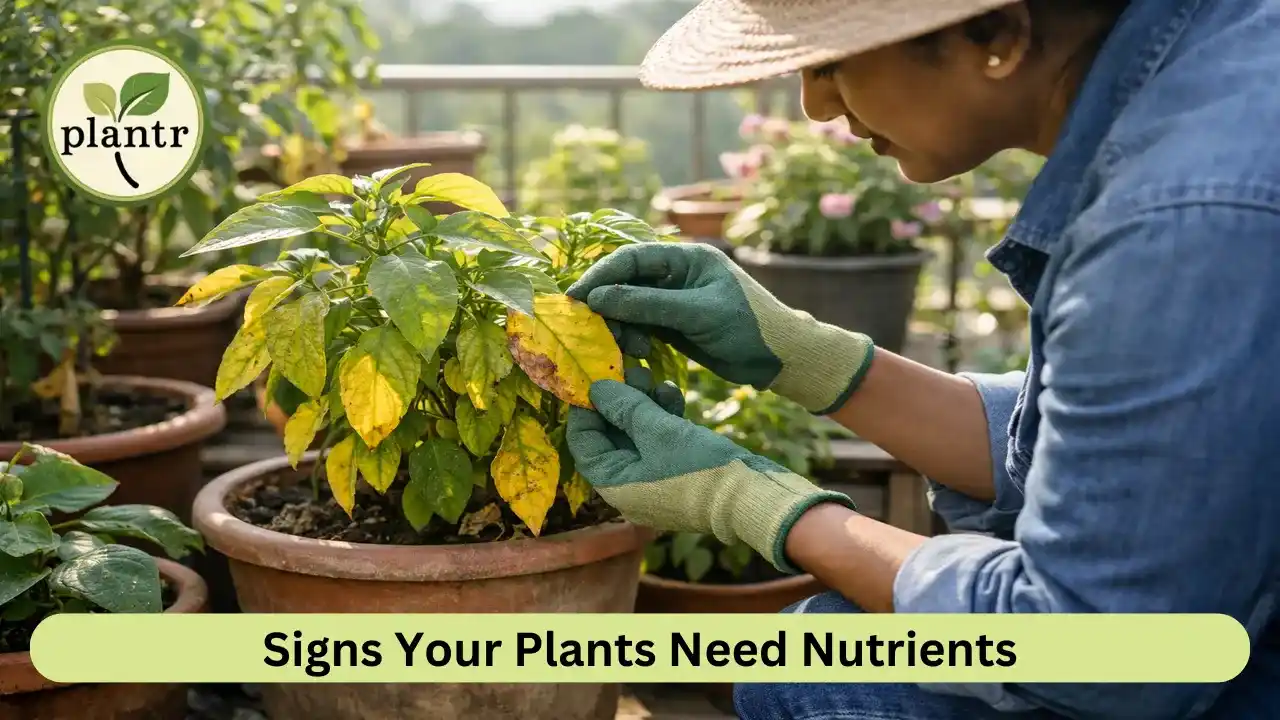
If you enjoy growing plants at home, you probably love watching them grow fresh leaves, flowers, or fruits. But sometimes, plants start looking dull or unhealthy even when you water them regularly. This is quite common in home gardens and usually happens when plants are not getting proper nutrition.
Understanding the Signs of Nutrient Deficiency in Plants can help you save your plants before the problem becomes serious. In most home gardens, these signs appear slowly, so learning to notice them early can make plant care much easier and more enjoyable.
Why Nutrients Are Important for Plant Growth
Just like humans need food for strength and growth, plants also need nutrients to stay healthy. These nutrients usually come from soil, compost, or fertilizers. When soil lacks certain nutrients, plants begin to show visible changes.
Generally, plants require two types of nutrients:
Macronutrients – Needed in larger amounts (Nitrogen, Phosphorus, Potassium)
Micronutrients – Needed in smaller amounts (Iron, Magnesium, Calcium, Zinc, etc.)
When any of these nutrients are missing, plants often give warning signs through leaves, stems, or overall growth.
Common Signs of Nutrient Deficiency in Plants
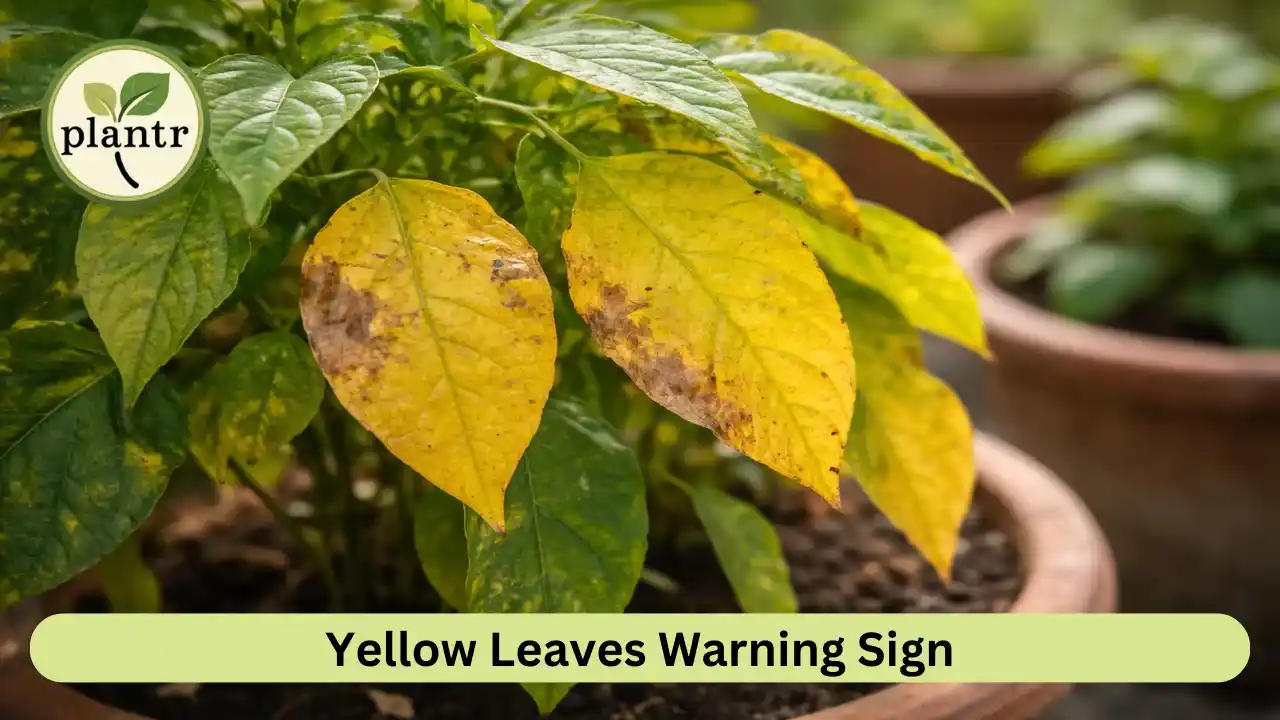
Learning to identify these signs can help beginners take timely action.
Yellowing Leaves (Chlorosis)
Yellowing leaves are one of the most common plant nutrient deficiency symptoms seen in home gardens.
Common causes:
Nitrogen deficiency usually causes older leaves to turn yellow.
Iron deficiency mostly affects younger leaves.
Poor soil quality or overwatering can also lead to yellow leaves.
In most home gardens, yellowing begins gradually and spreads if not corrected.
Slow or Stunted Plant Growth
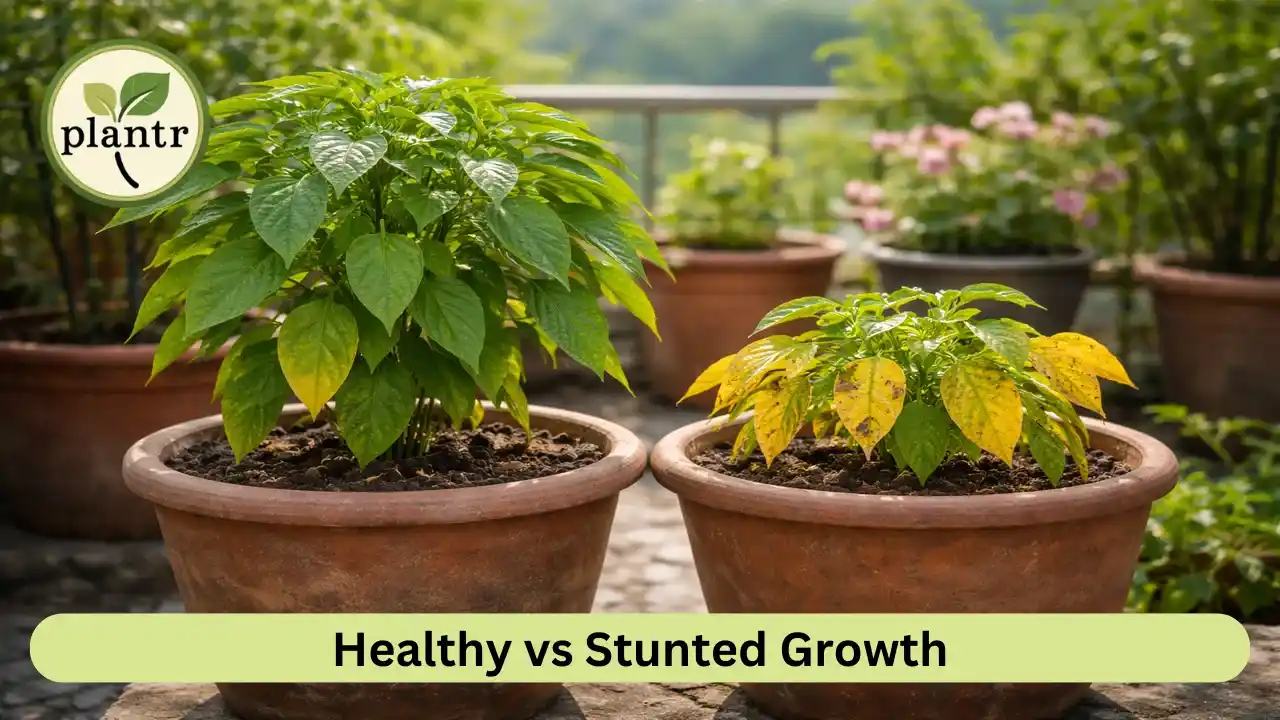
If your plant is growing much slower than expected, it may be lacking nutrients.
Possible reasons include:
Nitrogen deficiency often reduces leaf and stem growth.
Phosphorus deficiency may affect root development.
Lack of organic matter in soil can also slow plant growth.
This is a very common issue in container gardening because nutrients in pots get used up faster.
Brown or Burnt Leaf Edges
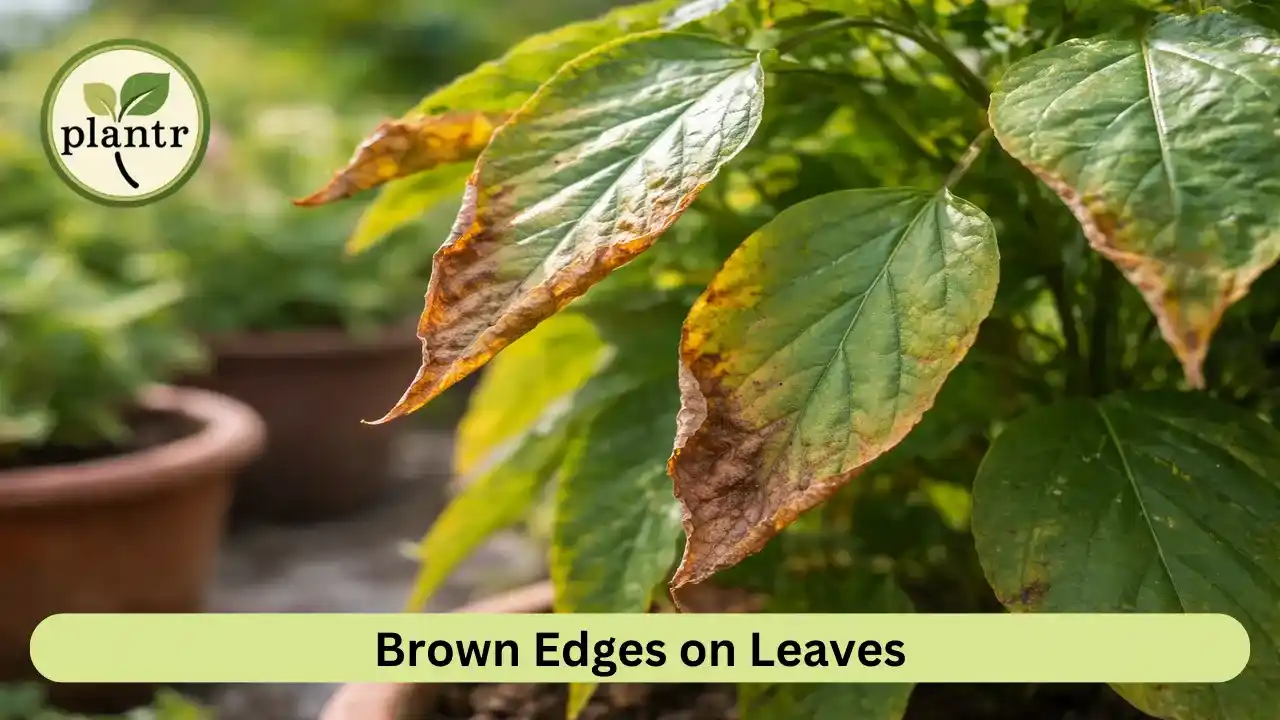
Sometimes leaves start developing brown or dry edges. Many beginners assume this happens only due to sunlight or watering mistakes, but it can also be linked to nutrient imbalance.
Usually linked with:
Potassium deficiency
Excess salt build-up in soil
Irregular watering routine
These leaf discoloration problems in plants usually appear first on older leaves.
Pale or Light Green Leaves
Healthy leaves are generally deep green in color. If leaves start looking pale or dull, it often indicates lack of nutrients.
This symptom commonly suggests:
Nitrogen deficiency in plants
Poor soil fertility
Nutrient leaching due to excessive watering
In most cases, plants showing pale leaves also grow slowly.
Purple or Reddish Leaf Color
Some plants develop purple or reddish shades when phosphorus levels are low.
This is more noticeable in:
Young vegetable plants
Flowering plants during early growth stages
Plants grown in cold soil conditions
Beginners sometimes mistake this as a natural leaf color, but it can signal plant health problems.
Weak Stems and Poor Flowering
Plants that fail to produce flowers or fruits properly may also be suffering from nutrient deficiency.
Common reasons include:
Phosphorus deficiency affecting flowering
Calcium deficiency weakening stems
Lack of balanced fertilization
In most home gardens, poor flowering is linked to unbalanced soil nutrition rather than watering issues.
How to Identify Nutrient Deficiency in Garden Plants
Correctly identifying the issue is important before taking any action. Here are some simple ways beginners can check plant health:
Observe Which Leaves Are Affected
Problems starting from older leaves usually suggest macronutrient deficiency.
Problems starting from new leaves often indicate micronutrient deficiency.
Check Soil Condition
Hard or compact soil may block nutrient absorption.
Very sandy soil may lose nutrients quickly.
Review Watering Routine
Overwatering can wash away nutrients, while underwatering can prevent roots from absorbing nutrients properly.
Practical Tips to Prevent Nutrient Deficiency
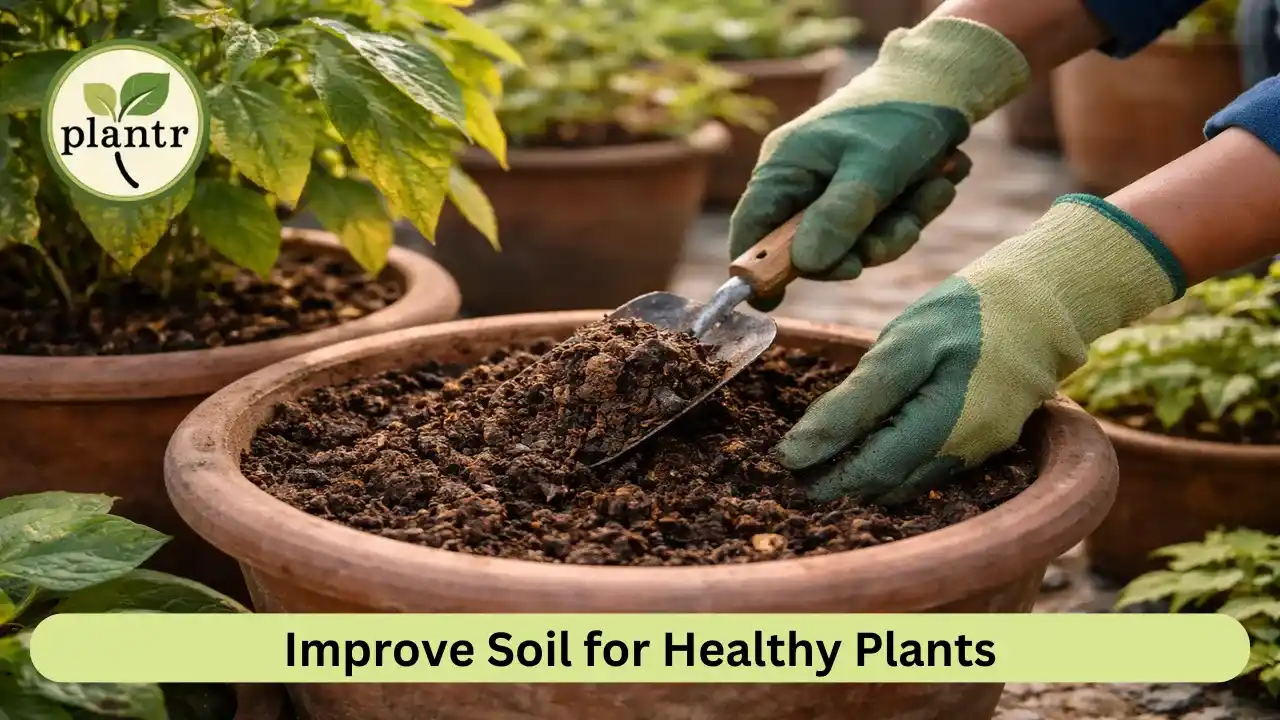
Preventing nutrient deficiency is generally easier than fixing it later. These simple gardening habits help maintain healthy plants.
Improve Soil Quality
Add compost or organic manure regularly.
Use good quality potting mix for container plants.
Loosen soil occasionally to improve airflow.
Use Balanced Fertilizers
Balanced fertilizers usually provide essential nutrients required for plant growth. In most home gardens, using them occasionally helps maintain plant health.
Rotate Plants in Garden Beds
Growing the same plant repeatedly in one place may reduce soil nutrients. Crop rotation helps maintain soil fertility naturally.
Avoid Overwatering
Too much water can wash nutrients away from soil and cause plant health problems.
Common Beginner Mistakes to Avoid
Many gardening problems happen due to small mistakes. Avoiding these can reduce the chances of plant nutrient deficiency symptoms.
Adding excessive fertilizer thinking it will help plants grow faster
Ignoring soil quality and focusing only on watering
Using garden soil directly in pots without improving it
Not checking drainage in containers
Treating all plant problems as pest attacks
Generally, balanced care works better than overdoing any one thing.
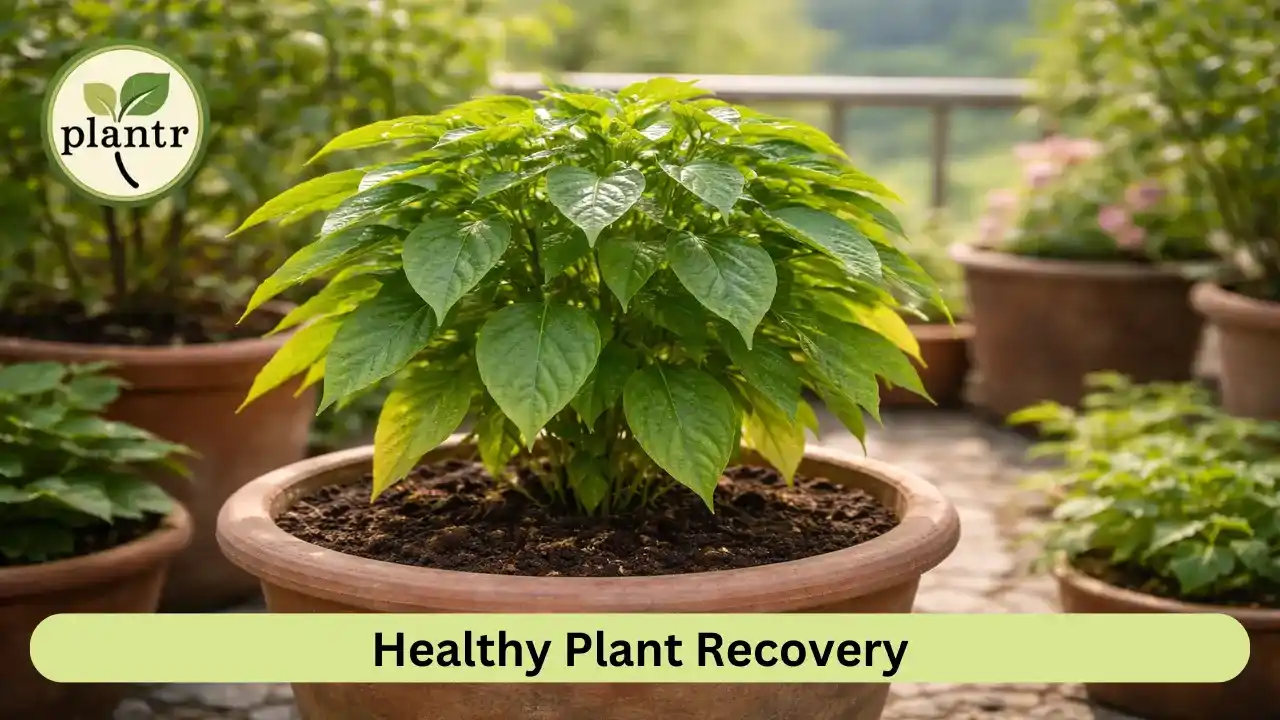
When Plants Start Recovering
Plants usually take time to recover after receiving proper nutrients. New leaves often appear healthier, and growth slowly improves. Old damaged leaves may not return to normal, which is completely natural.
In most home gardens, consistency in care gives better results than quick fixes.
FAQs
Nutrient deficiency usually shows gradual color changes or slow growth. Plant diseases often spread quickly and may include spots, fungal growth, or unusual patterns.
Severe deficiency can weaken plants over time, but in most home gardens, plants recover if proper care is provided early.
It depends on plant type and soil condition. Generally, adding compost every few weeks helps maintain soil fertility in home gardens.
Indoor plants in pots may face nutrient shortage faster because pot soil loses nutrients over time. Regular soil care usually helps prevent this issue.
Learning to Read Your Plants
Understanding the Signs of Nutrient Deficiency in Plants is an important skill for every home gardener. Plants usually communicate their problems through visible signs like yellow leaves, slow growth, or weak stems. Observing these changes carefully helps gardeners provide better care.
Healthy soil, balanced feeding, and proper watering habits generally keep plants strong and productive. Gardening becomes much more enjoyable when you learn to understand what your plants are trying to tell you.Understanding the Signs of Nutrient Deficiency in Plants is an important skill for every home gardener. Plants usually communicate their problems through visible signs like yellow leaves, slow growth, or weak stems. Observing these changes carefully helps gardeners provide better care.
Healthy soil, balanced feeding, and proper watering habits generally keep plants strong and productive. Gardening becomes much more enjoyable when you learn to understand what your plants are trying to tell you.
In my own garden, I once noticed pale leaves on my spinach plants, and after adjusting the feeding schedule, their color and growth improved within weeks — which taught me how powerful small corrections can be.