
Table of Contents
ToggleWhen to Sow Tomato Seeds in India (Best Month, Temperature & Tips)
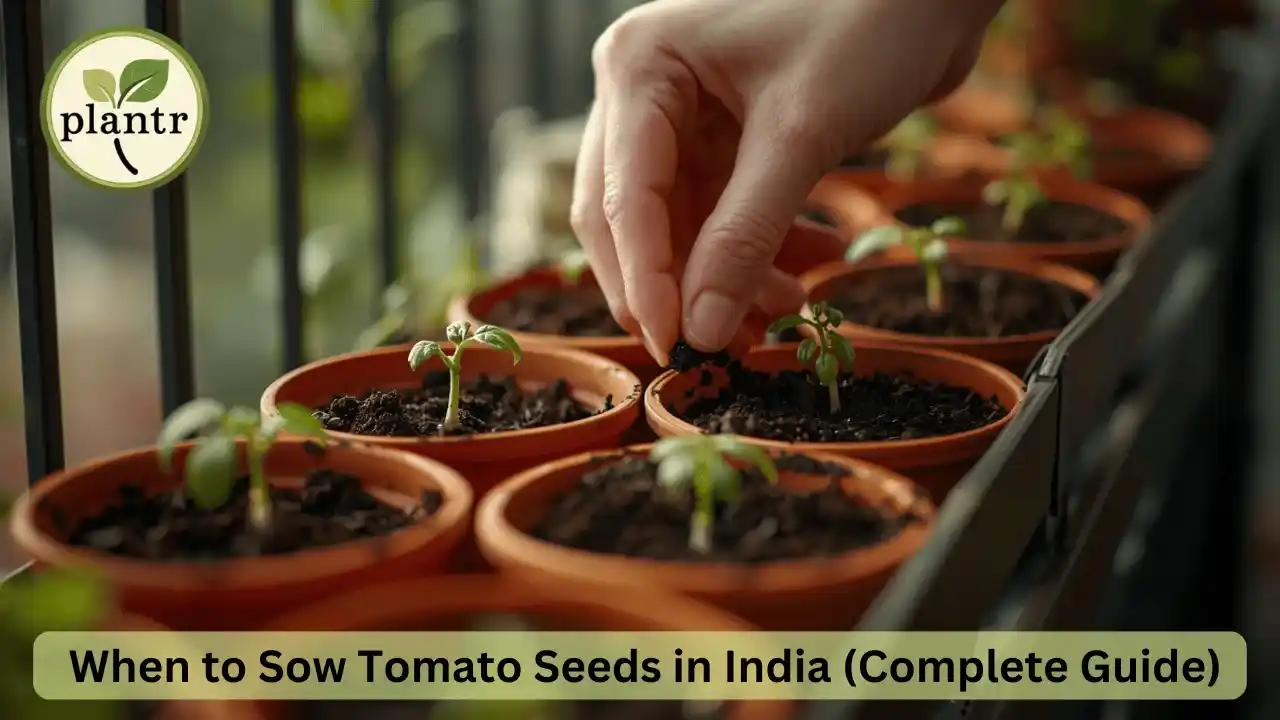
Tomatoes are one of the most commonly grown vegetables in Indian home gardens. Many beginners start with tomato plants because they grow well in pots, balconies, and small garden spaces. However, one of the most important factors for success is sowing the seeds at the right time.
Knowing when to sow tomato seeds in India helps avoid common problems like weak plants, poor flowering, or low fruit production. Tomatoes are sensitive to temperature, so timing plays a big role in healthy growth.
In this guide, I’ll explain the best sowing time for tomato seeds in a simple and practical way, based on seasons and common home gardening practices across India.
Why Sowing Time Matters for Tomato Plants
Tomato plants grow best when the weather is neither too cold nor too hot. If seeds are sown at the wrong time, germination may be slow, or plants may struggle after transplanting.
In most home gardens, tomatoes grow well when:
Temperatures are moderate
Sunlight is available for most of the day
Soil stays warm but not dry
This is why understanding the tomato seed sowing time in India is important before planting.
Best Season to Sow Tomato Seeds in India
India has different climates, but tomato seeds are generally sown during two main seasons.
Summer–Monsoon Crop
This is the most common growing season for tomatoes.
Sowing time: January to February
Transplanting: February to March
Harvest: April to June
This period is commonly considered the best time to sow tomato seeds in India for most regions.
Winter Crop
Tomatoes can also be grown in cooler months in many parts of India.
Sowing time: September to October
Transplanting: October to November
Harvest: December to February
This season works well in areas with mild winters.
Month-Wise Tomato Seed Sowing Guide
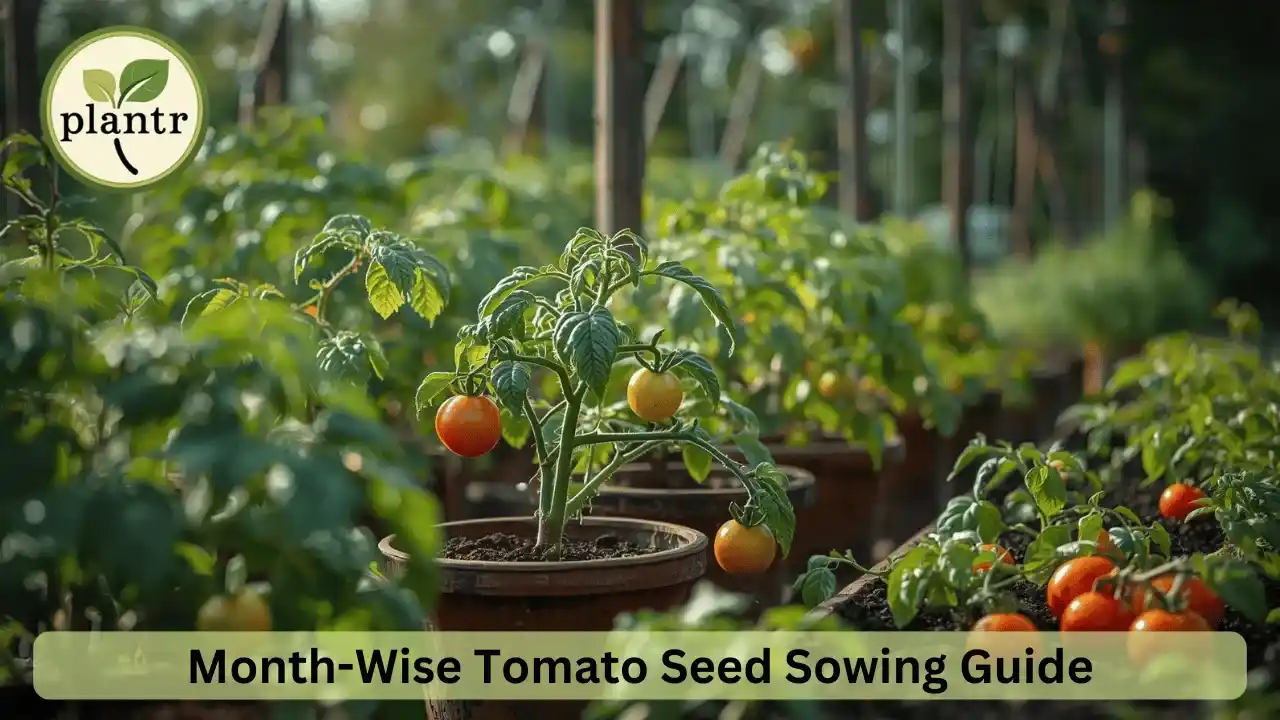
A simple tomato planting season in India can be understood month by month.
January – February
Ideal for seed sowing in trays or pots
Good germination in most regions
Suitable for summer harvest
March – April
Late sowing in cooler regions
Avoid sowing in very hot areas
May – June
Not recommended in most home gardens
High heat affects seed germination
July – August
Possible in some regions with controlled watering
Risk of fungal problems due to rain
September – October
Best months for winter tomato crop
Good for balcony and terrace gardens
November – December
Sowing only in warmer regions
Growth may slow in colder areas
This acts as a simple tomato seed sowing calendar India gardeners usually follow. While this month-wise guide focuses on tomatoes, different vegetables have different sowing times. To plan your garden better across seasons, you can also follow this month-wise vegetable seed sowing guide for India, which helps beginners choose the right crops throughout the year.
Best Time to Sow Tomato Seeds by Region
India’s climate varies, so sowing time may differ slightly.
North India
Best sowing months: January–February and September
Avoid peak winter cold
South India
Longer growing season
Seeds can be sown almost year-round, except peak summer
East & West India
Follow summer and winter cycles
Protect plants during heavy monsoon
These variations help decide the best time to sow tomato seeds in north India and other regions.
How to Sow Tomato Seeds Properly
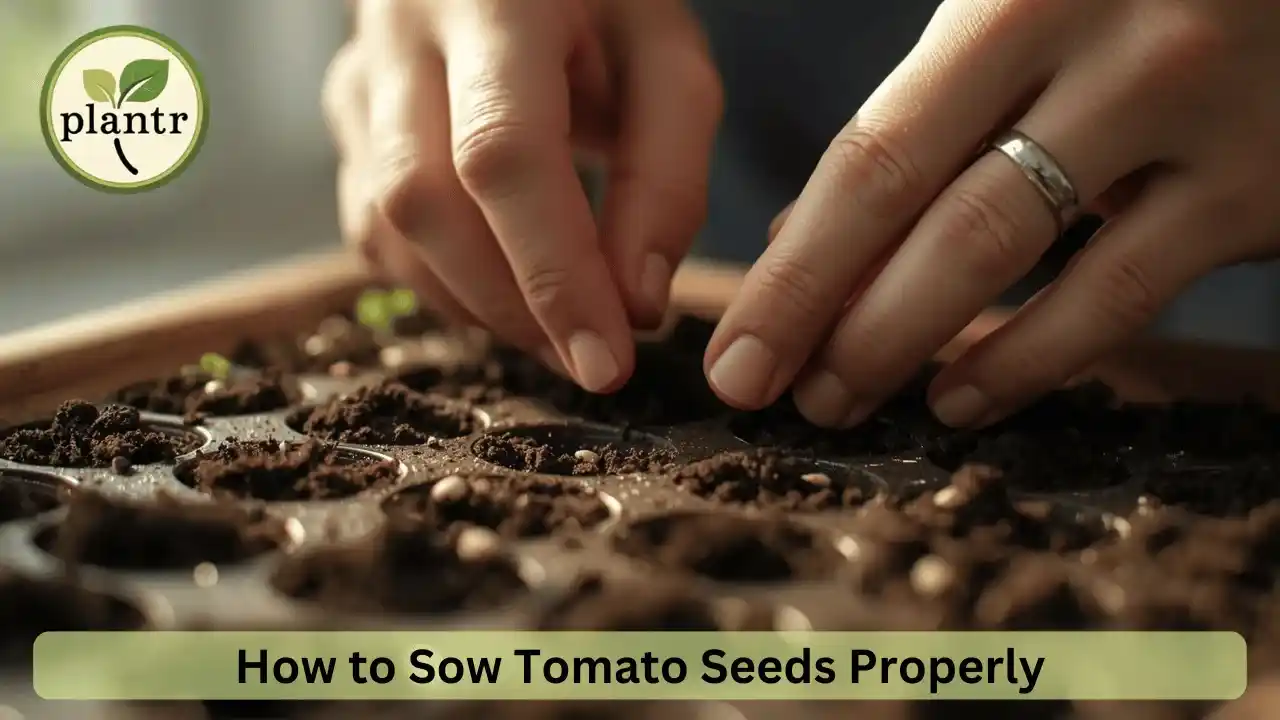
Before sowing, prepare soil that drains well and stays loose.
Common steps followed in home gardens:
Use seed trays or small pots
Sow seeds about 1 cm deep
Keep soil moist, not wet
Place trays in a warm, bright location
This method is commonly used for how to grow tomatoes from seeds in India. Before sowing, prepare soil that drains well and stays loose. Healthy soil is the base of strong seedlings, especially in pots. If you are unsure about soil mixing, this guide on how to prepare soil for potted plants at home explains it in a simple and beginner-friendly way.
When to Transplant Tomato Seedlings
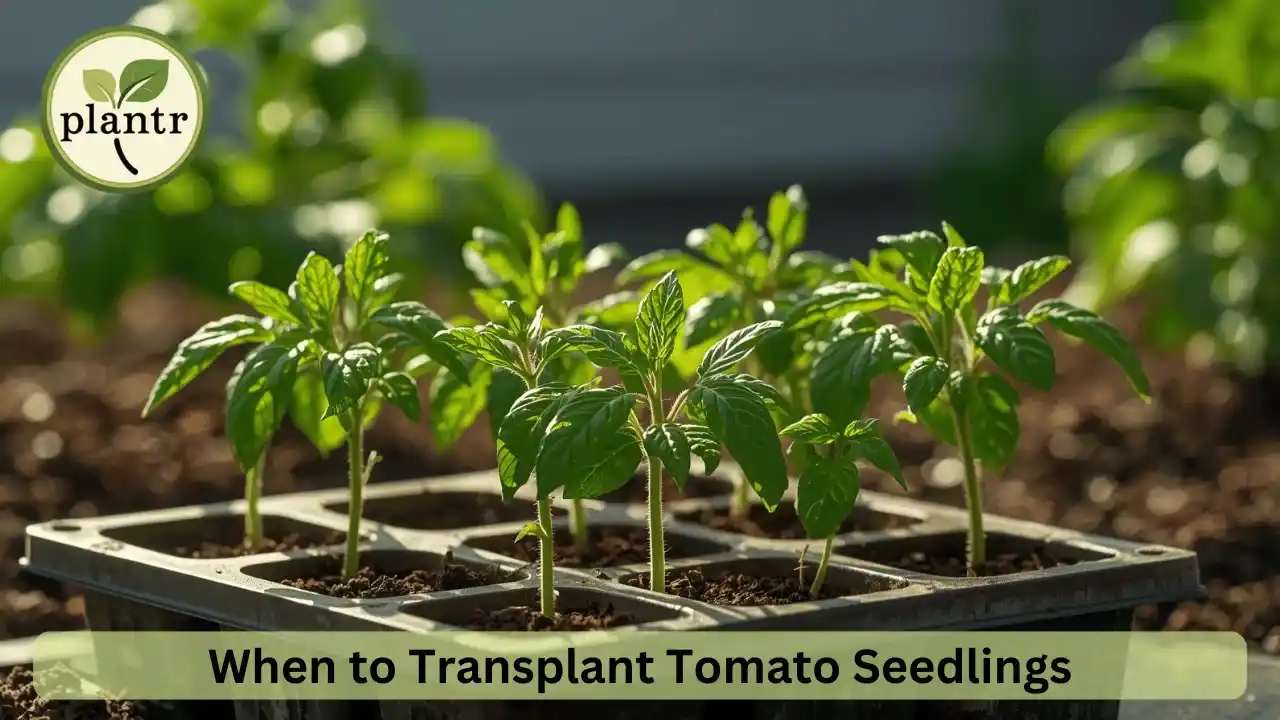
Tomato seedlings are usually ready for transplanting after 20–25 days.
Signs seedlings are ready:
4–6 healthy leaves
Strong stem
No yellowing
Transplanting at the right time supports better root growth and flowering.
Growing Tomatoes in Pots vs Ground
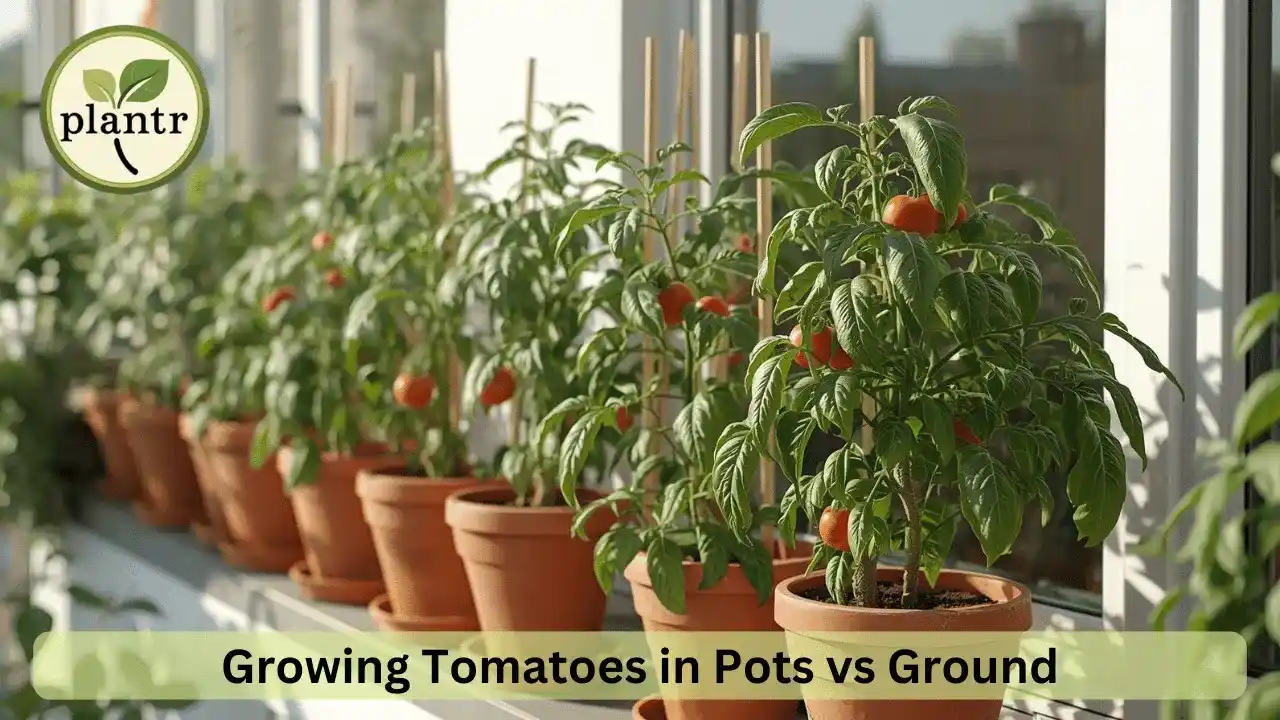
Tomatoes grow well in both setups.
Growing Tomatoes in Pots
Suitable for balconies and terraces
Choose deep pots
Water regularly
This method works well for tomato gardening in India for beginners.
Growing Tomatoes in Ground
Better root spread
Higher yield in most cases
Needs proper spacing
Common Beginner Mistakes to Avoid
Many beginners face problems due to small mistakes.
Avoid:
Sowing seeds in extreme heat or cold
Overwatering seed trays
Transplanting too early
Using poor-quality soil
Understanding when to sow tomato seeds helps prevent these issues.
Practical Tips for Better Tomato Growth
Provide at least 6–7 hours of sunlight
Support plants with stakes
Remove weak side shoots if needed
Keep soil evenly moist
These small steps improve plant health in most home gardens. Along with sunlight and watering, proper nutrition also supports healthy tomato growth. Using mild compost or natural feeds works well for home gardens. You can refer to this guide on best organic fertilizers for home garden plants to understand safe feeding options without overdoing it.
FAQs
Tomato seeds germinate best when the temperature stays between 18°C and 30°C. If the weather is too cold, seeds may sprout slowly or not at all. In very high heat, young seedlings can struggle. Checking your local seasonal temperature is more reliable than following a fixed calendar date.
Sowing during heavy monsoon months is generally not recommended because excessive moisture can cause fungal diseases and seed rot. However, if you are growing in containers with proper drainage and protection from continuous rain, controlled sowing is possible. Good airflow is essential during humid weather.
Tomato seeds are usually sown 4 to 6 weeks before transplanting into larger pots or garden beds. Seedlings are ready when they have 4–6 true leaves and a strong stem. Transplanting too early can stress the plant, while transplanting too late may slow its growth.
Yes, high-quality seeds with good germination rates can tolerate slight temperature variations better than old or low-quality seeds. If seeds are old, they may require more stable and warm conditions to sprout successfully. Always store seeds in a cool, dry place before sowing.
Growing Healthy Tomatoes with the Right Timing
Understanding when to sow tomato seeds in India makes the entire gardening process smoother and more rewarding. When you follow the appropriate season, use simple sowing techniques, and pay attention to your local climate, growing tomatoes at home becomes much easier for beginners.
Start by choosing the right sowing time for your region, handle seedlings gently, and make small adjustments based on weather conditions. Consistent care and regular observation help tomato plants grow strong and productive in most Indian home gardens.
In my own garden, sowing tomato seeds slightly before the cooler season and protecting young seedlings from harsh afternoon sun made a noticeable difference in plant strength and fruit yield.