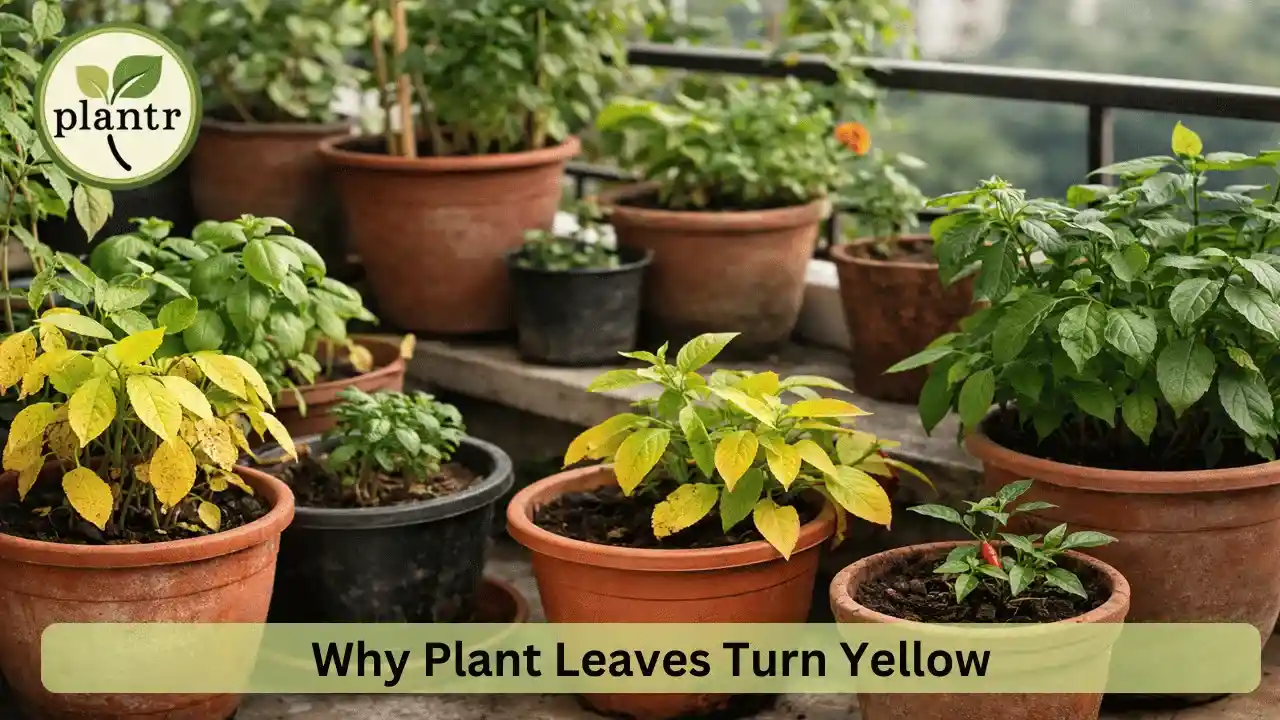
Why plant leaves turning yellow and How to Fix It
If you love gardening, you’ve probably faced this situation at least once — a healthy-looking plant suddenly starts showing yellow leaves. It can be worrying, especially when you’re putting in regular care and still something feels off.
In most home gardens, yellow leaves are a plant’s way of telling us that something is not quite right. The good news is that, generally, this problem is easy to understand and fix once you know the cause.
In this article, I’ll explain why plant leaves turn yellow and how to fix it, based on common experiences from home gardeners. No technical jargon — just simple, practical guidance you can actually use.
Why Plant Leaves Turn Yellow and How to Fix It – The Basics
Before jumping into solutions, it’s important to understand one thing: yellow leaves don’t always mean your plant is dying. In many cases, it’s just stress or a small care mistake.
Plant leaves usually turn yellow because of:
- Watering issues
- Nutrient imbalance
- Light problems
- Poor soil or drainage
- Natural aging of leaves
Let’s go through each reason one by one.
- Overwatering – The Most Common Reason
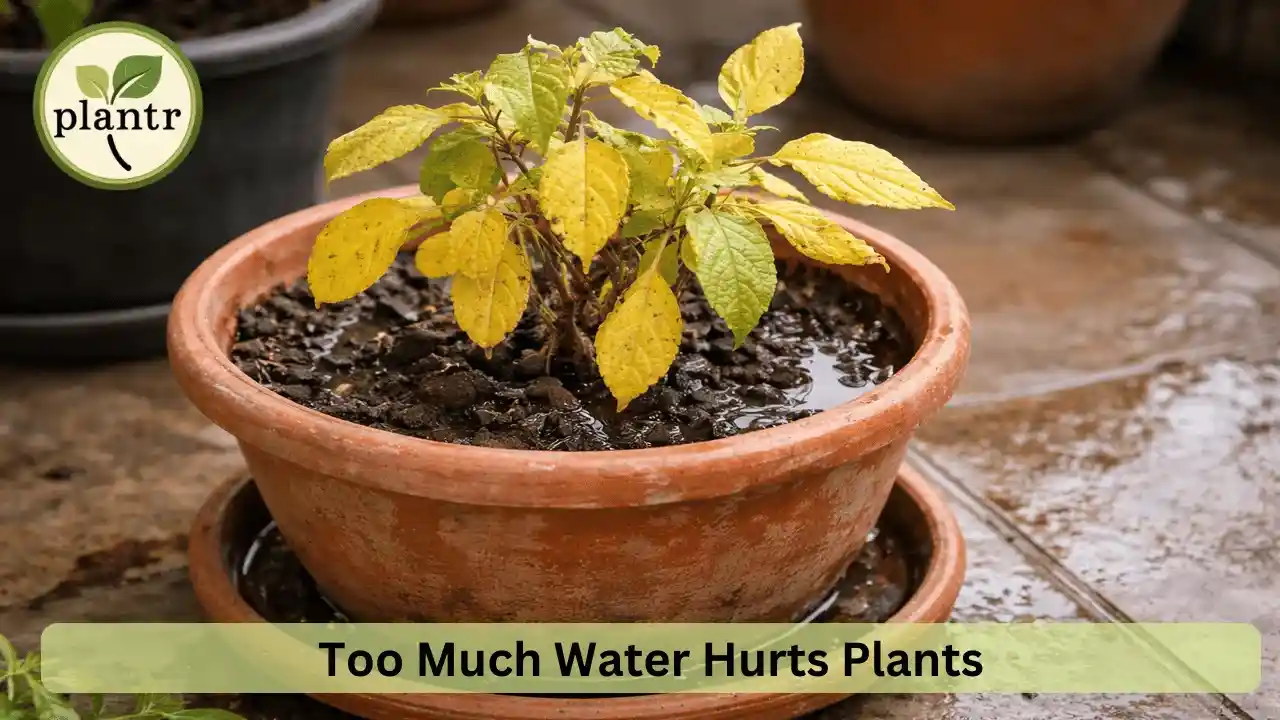
Overwatering is one of the most common causes of yellow leaves in home gardening. Many beginners think more water means more growth, but plants don’t work that way.
When soil stays wet for too long:
- Roots don’t get enough air
- Roots may start rotting
- Leaves slowly turn yellow and soft
How to Fix Overwatering
- Check soil moisture before watering
- Water only when the top 1–2 inches of soil feel dry
- Make sure pots have drainage holes
- Empty trays under pots after watering
Beginner mistake: Watering plants daily without checking soil condition.
- Underwatering – When Plants Are Too Thirsty
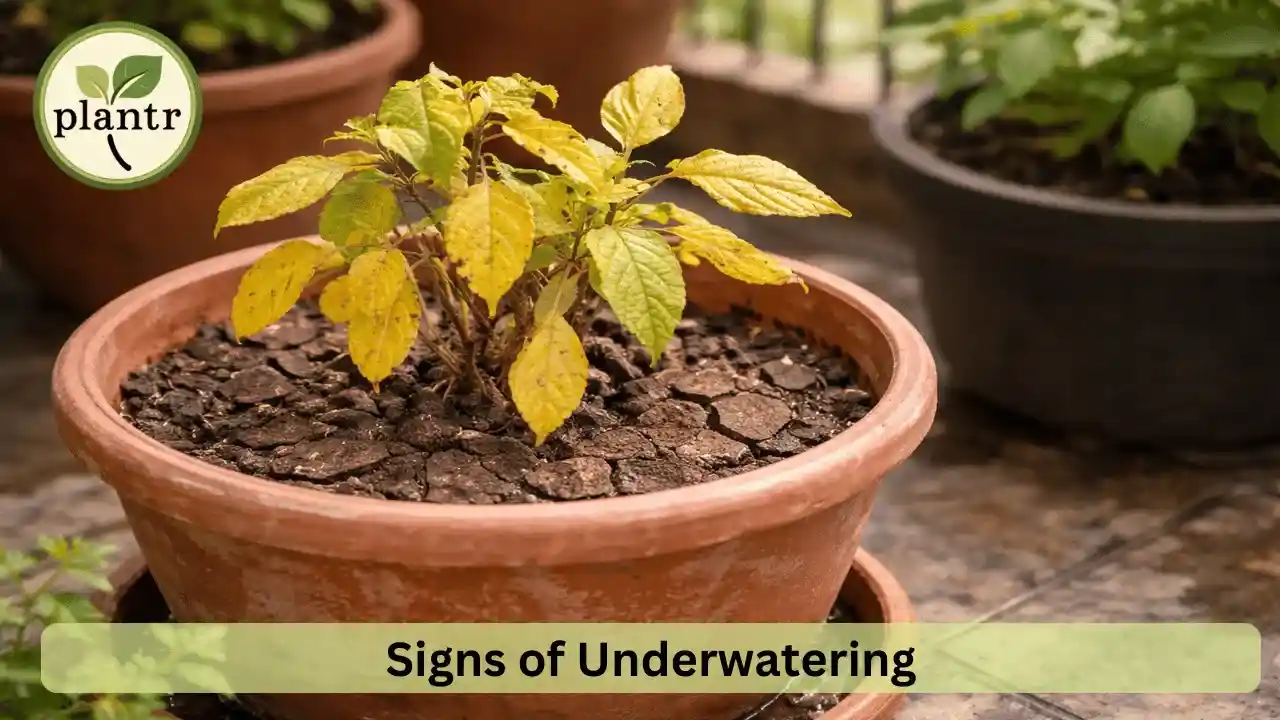
Just like too much water, too little water can also cause yellow leaves. In this case, leaves often look dry, thin, or crispy at the edges.
Common signs include:
- Yellowing starting from lower leaves
- Dry soil pulling away from pot edges
- Drooping plant during daytime
How to Fix Underwatering
- Water deeply until water drains out from the bottom
- Increase watering frequency during hot weather
- Use mulch to retain soil moisture
- Lack of Nutrients in Soil
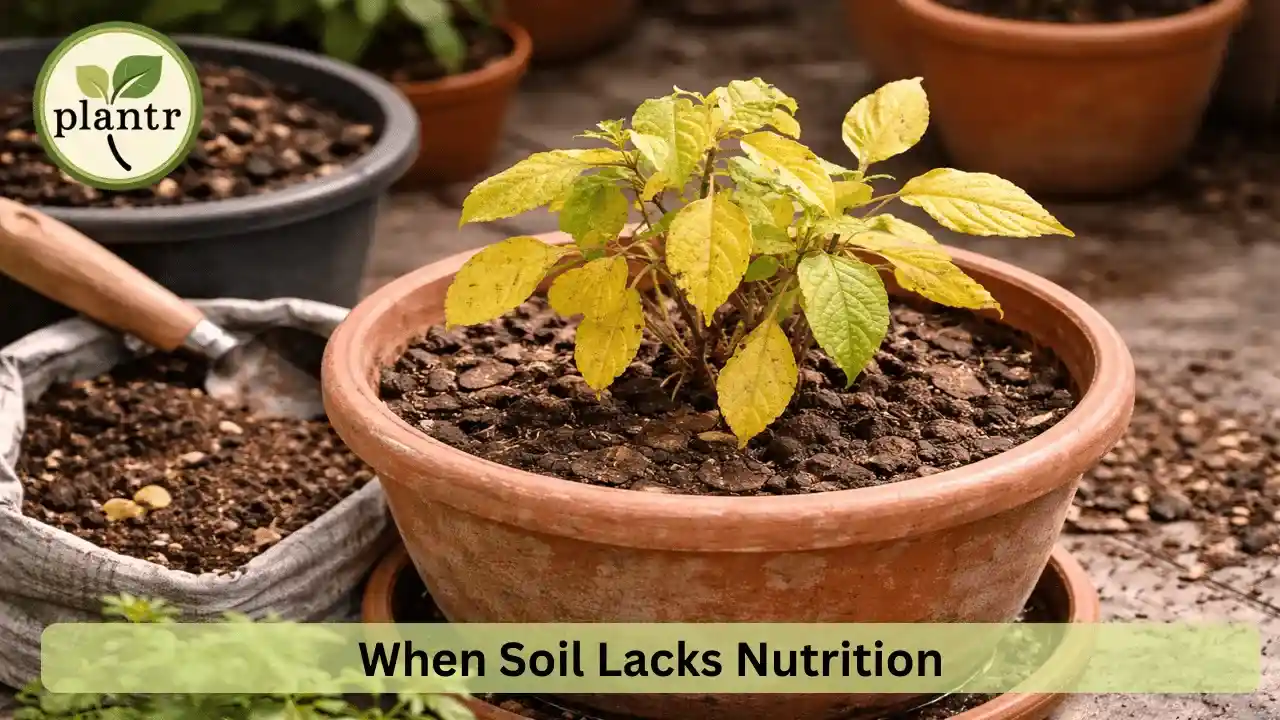
In most potted plants, soil nutrients get used up over time. When plants don’t get enough nutrition, leaves may turn pale yellow.
Common nutrient-related issues:
- Nitrogen deficiency causes overall yellowing
- Iron deficiency shows yellow leaves with green veins
- Old potting mix losing fertility
How to Fix Nutrient Deficiency
- Add homemade compost regularly
- Use balanced organic fertilizer in small amounts
- Refresh potting soil once or twice a year
Avoid over-fertilizing — too much fertilizer can also stress plants.
- Improper Sunlight Exposure
Light plays a big role in leaf color. Some plants need bright sunlight, while others prefer shade.
Yellow leaves may appear when:
- Sun-loving plants stay in low light
- Shade plants get harsh afternoon sun
- Indoor plants are kept too far from windows
How to Fix Light Problems
- Understand your plant’s light requirement
- Move pots gradually to avoid shock
- Use filtered sunlight for delicate plants
- Poor Drainage and Compacted Soil
Even if you water correctly, poor drainage can still cause yellow leaves. Compacted soil holds water for too long and suffocates roots.
How to Fix Drainage Issues
- Mix sand, coco peat, or perlite into soil
- Use well-draining potting mix
- Loosen soil gently once in a while
This is especially important for terrace and balcony gardens.
- Natural Aging of Leaves
Not all yellow leaves are a problem. Sometimes, older leaves turn yellow and fall off naturally as new growth appears.
This usually happens:
- At the bottom of the plant
- One or two leaves at a time
- Without affecting new leaves
If the rest of the plant looks healthy, there’s usually nothing to worry about.
- Pest Stress and Minor Diseases
Small pests like aphids or spider mites can also cause yellow spots or patches on leaves. In most home gardens, this happens occasionally.
Simple Fixes
- Check leaf undersides regularly
- Wash leaves with plain water
- Use mild neem oil spray if needed
Avoid strong chemical sprays, especially indoors.
Common Beginner Mistakes to Avoid
- Watering on a fixed schedule instead of checking soil
- Keeping all plants in the same sunlight
- Ignoring drainage holes
- Using old soil for years without renewal
Learning from these small mistakes makes gardening much easier over time.